
How to Keep Spiders Out of Your Phoenix Home
TLDR: Phoenix homes attract spiders year-round due to the warm climate and abundant prey insects. Sealing entry points, reducing clutter, managing outdoor lighting, and eliminating food sources are the most effective prevention strategies. A consistent approach keeps both harmless and dangerous species out.
Living in Phoenix means sharing the desert landscape with dozens of spider species. While most are harmless, a few, including black widows and brown recluses, pose genuine health risks. The good news is that you do not have to accept spiders as permanent houseguests. With a systematic prevention plan, you can dramatically reduce spider activity inside your home.
Why Phoenix Homes Attract Spiders
The Phoenix metro area provides ideal conditions for spiders. Warm temperatures persist for most of the year, which means insects, the primary food source for spiders, remain active across all seasons. When prey insects find their way indoors, spiders follow.
Residential properties also offer shelter from the extreme desert heat. Garages, attics, crawl spaces, and storage areas provide the dark, undisturbed environments that spiders prefer. Landscaping features like decorative rock, ground cover plants, and irrigation systems create additional habitat close to your foundation walls.
Understanding what draws spiders to your home is the first step toward keeping them out. Prevention is always more effective than trying to remove spiders after they have already established themselves inside.
Seal Every Entry Point
Spiders can squeeze through surprisingly small gaps. A thorough inspection of your home’s exterior is one of the highest-impact prevention steps you can take.
- Foundation cracks and gaps: Walk the perimeter of your home and look for cracks in the stucco, block, or concrete. Fill them with exterior-grade caulk or expandable foam.
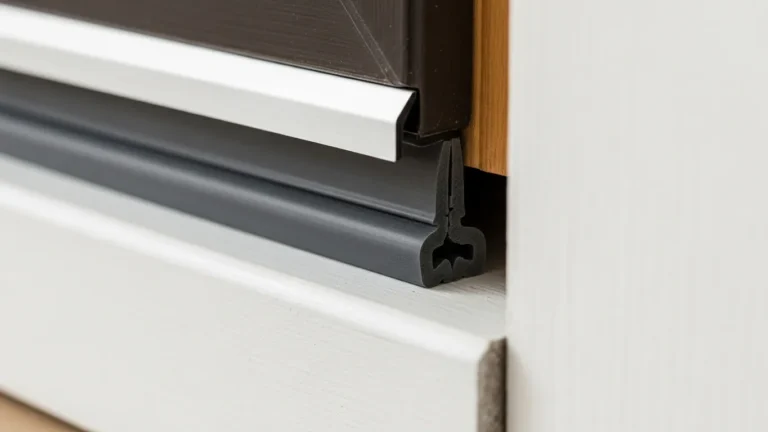
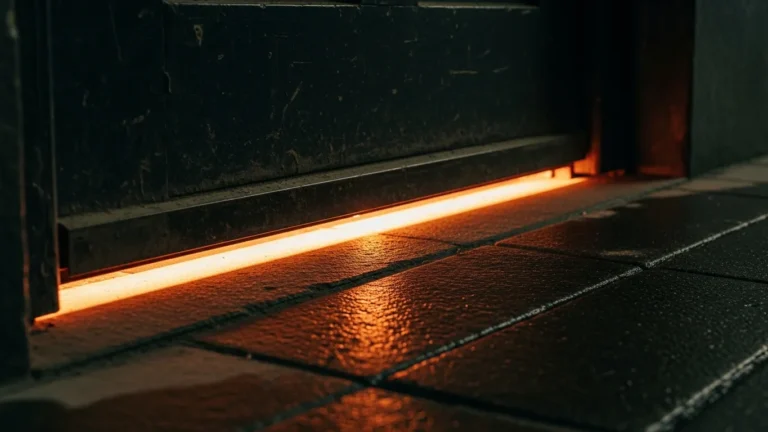
- Door sweeps: Install door sweeps on every exterior door, including the door between your garage and living space. Even a quarter-inch gap under a door is enough for most spiders to enter.
- Window and door screens: Inspect screens for tears, holes, or loose frames. Replace damaged screens promptly.
- Utility penetrations: Check where plumbing pipes, electrical conduit, and cable lines enter your home. Seal gaps around these penetrations with caulk or steel wool.
- Weep holes: Block-construction homes in Phoenix often have weep holes along the base of exterior walls. Cover them with fine mesh screening to allow airflow while blocking pests.
A single afternoon of sealing work can eliminate the majority of spider entry points.
Reduce Clutter and Hiding Spots
Spiders thrive in undisturbed, cluttered areas. Inside your home, focus on these zones:
- Garages and storage rooms: Use sealed plastic bins instead of cardboard boxes. Cardboard attracts insects and provides hiding spots for spiders. Keep storage off the floor on shelving units.
- Closets: Avoid piling clothing, shoes, or linens on the floor. Shake out items that have been stored for a long time before wearing them, especially if they were kept in a garage or closet.
- Under furniture: Vacuum behind and under couches, beds, and dressers regularly.
- Attics and crawl spaces: Remove old newspapers, unused materials, and debris. These spaces are prime habitat for both spiders and the insects they eat.
Outside, keep woodpiles, landscape debris, and compost bins at least 20 feet from your home’s foundation. Trim shrubs and tree branches so they do not touch exterior walls, as overhanging vegetation acts as a bridge for spiders and other pests.
Manage Outdoor Lighting
Standard exterior lights attract moths, beetles, and other flying insects at night, which in turn attract spiders. Two simple adjustments make a noticeable difference:
- Switch to yellow or amber LED bulbs. These wavelengths are far less attractive to insects than white or blue-white light.
- Relocate lights away from doors and windows. If possible, mount exterior fixtures on poles or fence posts that direct insect activity away from entry points rather than toward them.
Reducing the insect swarm around your doors at night cuts off a major food supply for web-building spiders.
Eliminate Indoor Prey Insects
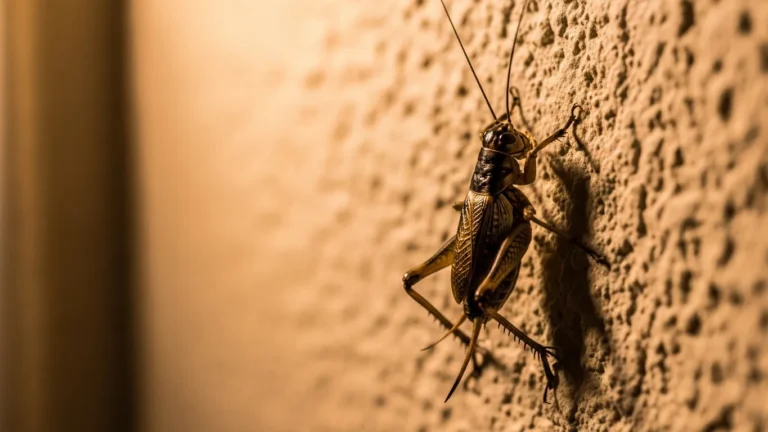
Spiders go where the food is. If your home has ants, cockroaches, crickets, or other insects, spiders will follow. Address pest prey to remove the incentive for spiders to move in.
- Keep kitchen surfaces clean and free of crumbs.
- Store food in sealed containers.
- Take out trash regularly and use bins with tight-fitting lids.
- Fix leaky faucets and pipes, because moisture attracts many pest species.
- Vacuum frequently to remove insect eggs, larvae, and small prey.
When you control the insects, you control the spiders.
Maintain a Regular Prevention Routine
Spider prevention is not a one-time project. Make it part of your ongoing home maintenance:
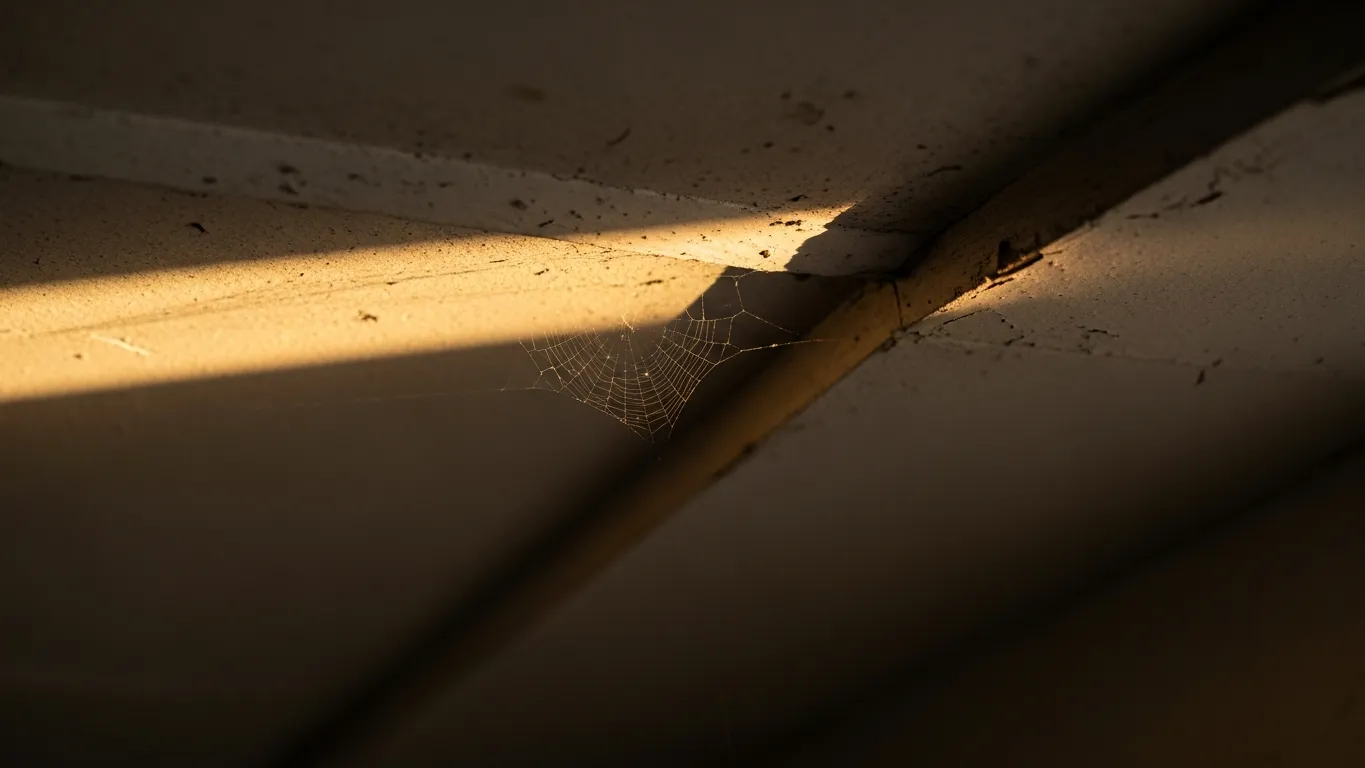
- Monthly: Walk the exterior of your home and knock down any webs with a long-handled broom or duster. Removing webs discourages spiders from rebuilding in the same spot.
- Seasonally: Re-inspect caulking, door sweeps, and screens. The Phoenix heat causes materials to expand and contract, which can reopen sealed gaps over time.
- Annually: Schedule a professional pest inspection. A trained technician can identify spider activity, locate entry points you may have missed, and treat for the prey insects that attract spiders.
Consistency is the key. A home that is sealed, clean, and free of prey insects is a home that spiders have little reason to enter. If spiders persist despite your prevention efforts, Uni-Tech Pest Control can identify the species and recommend a targeted treatment plan.
Ready to get rid of spiders? Call Uni-Tech Pest Control at (602) 962-8935 for a free inspection, or contact us online to schedule service.
Frequently Asked Questions
Why do I keep finding spiders in my Phoenix home even though I keep it clean?
Cleanliness reduces spider habitat, but spiders enter homes primarily in search of prey insects and shelter from extreme temperatures. If insects are getting inside through unsealed gaps, spiders will follow regardless of how tidy the interior is. Sealing entry points and controlling prey insects are equally important.
What time of year are spiders most active in Phoenix?
Spiders are active in the Phoenix area throughout the year due to the mild winters. However, many species become more visible during warmer months when insect prey populations peak. Indoor sightings can increase during extreme heat as spiders seek cooler shelter.
Are spiders in Phoenix dangerous?
Most Phoenix spiders are harmless to humans. The two medically significant species in the area are the black widow and the brown recluse. If you are bitten by either species, seek medical attention promptly. For all other species, bites are uncommon and typically cause only mild, temporary irritation.