
Flea and Tick Control for Phoenix Homes
TLDR: Fleas and ticks thrive in the Phoenix climate and require coordinated treatment of your home, yard, and pet to break the breeding cycle. Uni-Tech Pest Control provides full indoor and outdoor treatment to eliminate active infestations and prevent re-infestation. Call 602-962-8935 to schedule service.
Why Are Fleas and Ticks a Problem in Phoenix?
Many homeowners assume that Phoenix’s dry desert climate limits flea and tick activity, but the opposite is true. Irrigated yards, shaded landscaping, and warm temperatures create favorable conditions year-round. Unlike colder climates where a hard freeze kills off flea and tick populations each winter, Phoenix never provides that natural reset. Infestations can develop and persist in any month.
Two species dominate the Phoenix metro area:
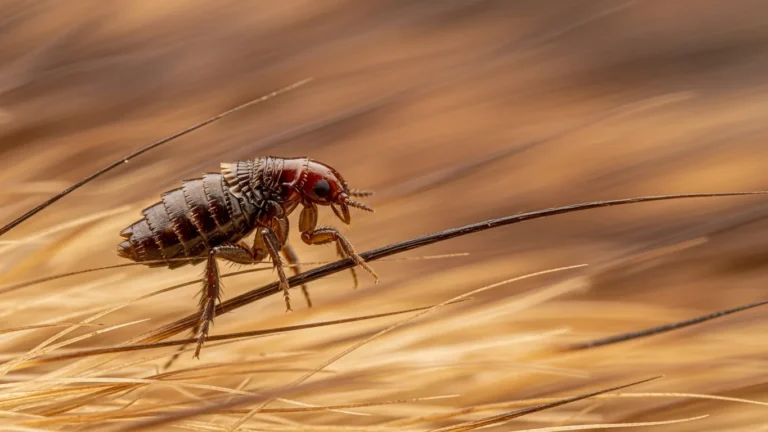
Cat Fleas
Despite the name, cat fleas are the most common flea species found on both cats and dogs in Arizona. They are aggressive biters, reproduce rapidly, and can infest an entire home within weeks. A single female flea lays up to fifty eggs per day, and those eggs fall off the pet into carpet fibers, furniture, bedding, and cracks in flooring. The larvae develop in these hidden areas and emerge as hungry adults, creating a cycle that is nearly impossible to break without treating both the pet and the environment.
Cat fleas also bite humans, leaving itchy, red welts, typically around the ankles and lower legs. In homes without pets, fleas can be introduced by wildlife such as roof rats, stray cats, or even visiting animals that pass through the yard.
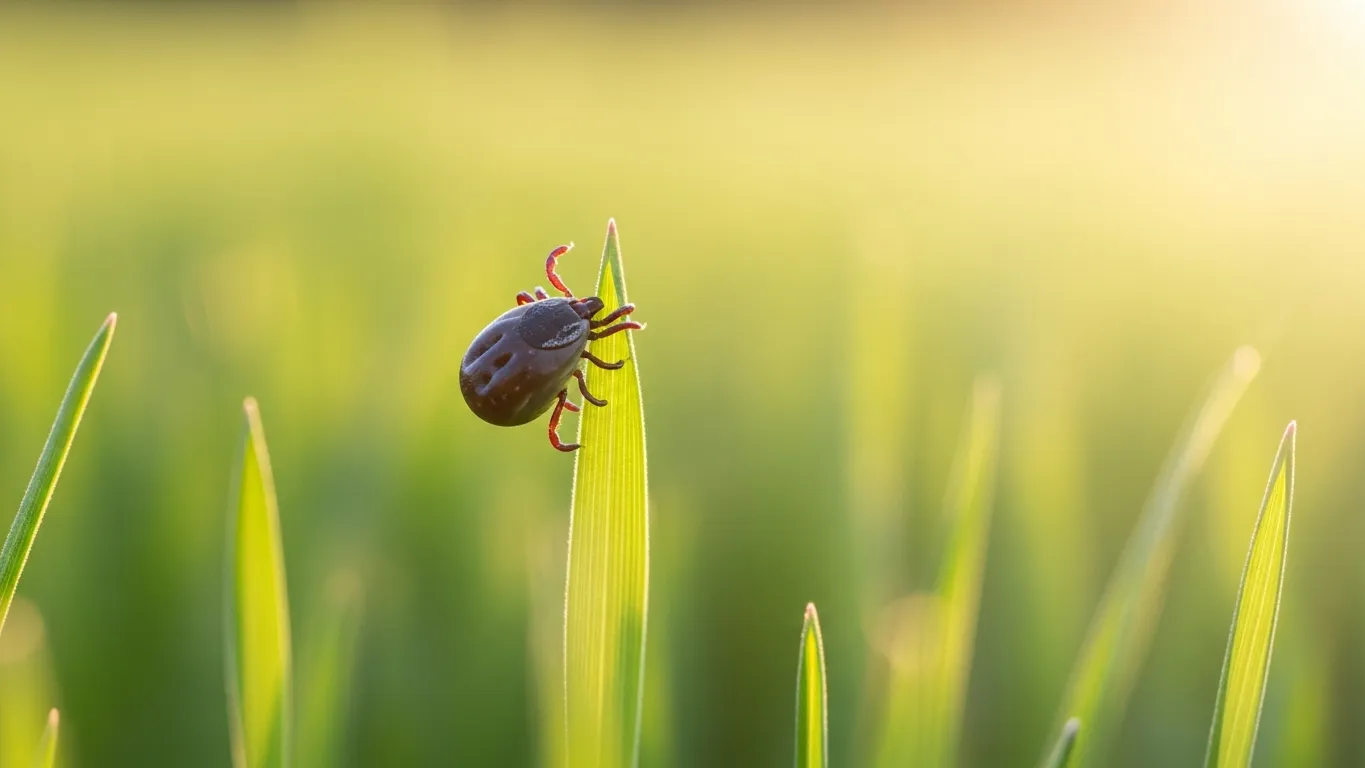
Brown Dog Ticks
The brown dog tick is the most significant tick species in Phoenix and one of the few tick species that can complete its entire life cycle indoors. That means a brown dog tick problem can escalate from a few ticks on your dog to a full-blown infestation inside your home, with ticks hiding in baseboards, furniture seams, window frames, and wall cracks.
Brown dog ticks are active year-round in the Valley. They attach to dogs to feed, then drop off and hide in cracks and crevices to digest and lay eggs. A single female can produce thousands of eggs, and an indoor infestation can become severe before homeowners realize the scope of the problem.
Brown dog ticks can transmit Rocky Mountain spotted fever, which has been documented in Arizona communities. Prompt control is important for both pet and human health.
How Does Uni-Tech Pest Control Treat Fleas and Ticks?
Effective flea and tick control requires treating the full environment, not just the pet or just the house. Our treatment approach addresses all three zones where fleas and ticks live and breed.
Indoor Treatment
We treat your home’s interior with a combination of products designed to kill active adult fleas and ticks while also addressing the immature stages hiding in carpet, cracks, and upholstery.
- Adulticide application: We apply a residual product to carpeted areas, along baseboards, under furniture, and in cracks and crevices where fleas and ticks harbor. For brown dog tick infestations, we treat wall voids, window casings, and furniture seams where ticks hide between feedings.
- Insect growth regulator (IGR): IGRs prevent flea larvae and eggs from developing into biting adults. This is essential because the immature stages (eggs, larvae, pupae) make up roughly ninety-five percent of the flea population in an infested home. Killing adults alone will not solve the problem, the next generation is already developing in your carpet.
Yard and Exterior Treatment
We treat your yard and the home’s exterior perimeter to eliminate fleas and ticks in the areas where your pets spend time and where wildlife may introduce new pests.
- Shaded areas under trees, bushes, and along fence lines receive targeted treatment, these are the zones where fleas and ticks concentrate outdoors
- The perimeter around your home’s foundation is treated to prevent reinfestation from outside
- Dog runs, kennels, and areas where pets rest are prioritized
Pet Coordination
Our treatments address the environment, but your pet needs concurrent treatment from your veterinarian. We recommend coordinating your pest control service with your vet’s flea and tick prevention program. Treating the home without treating the pet (or vice versa) allows the cycle to restart.
We will discuss timing with you so that your pet’s treatment and our environmental treatment work together for maximum effectiveness.
What Should You Expect During and After Treatment?
Before Service
To prepare for your flea and tick treatment:
- Vacuum all carpeted areas, rugs, and upholstered furniture thoroughly, this agitates flea pupae and makes them more susceptible to treatment
- Wash pet bedding in hot water
- Pick up toys, clothing, and items from floors so we can treat carpet and baseboards
- Arrange your pet’s veterinary flea and tick treatment to coincide with our service visit
- Plan for people and pets to be out of the home for the duration specified by our technician (typically two to four hours)
During Service
A typical residential treatment takes forty-five minutes to an hour. We treat interior floors, baseboards, and harborage areas, then move to the yard and perimeter. Our technician will walk you through everything that was done and provide specific instructions for after-care.
After Service
You may continue to see fleas for up to two weeks after treatment. This is normal. Flea pupae are protected inside silk cocoons that are resistant to insecticides. As they emerge over the following days, they contact the residual product and die. Vacuuming frequently after treatment accelerates this process by stimulating pupae to emerge sooner.
We schedule a follow-up visit to assess results and retreat if necessary. Most infestations are resolved within two to three weeks with proper pet coordination.
Why Does Professional Flea and Tick Treatment Matter?
Flea bombs and foggers from the hardware store are consistently ineffective. They deposit product on top of surfaces but fail to reach the cracks, crevices, and carpet depths where immature fleas and ticks actually live. Foggers also lack IGRs, so even if some adults are killed, the next generation hatches unaffected.
Brown dog tick infestations are especially difficult to resolve without professional treatment because ticks hide in structural cracks and wall voids that surface-level products cannot reach.
Professional treatment puts the right products in the right locations (deep in carpet fibers, inside cracks, along baseboards, and in the outdoor zones where fleas and ticks breed) with growth regulators that break the reproductive cycle.
Frequently Asked Questions
How long does it take to get rid of fleas after treatment?
Most flea infestations are fully resolved within two to three weeks after treatment, assuming your pet is on concurrent flea prevention. You will see a sharp decline in activity within the first few days, with stragglers emerging from pupal cocoons over the following two weeks. Regular vacuuming after treatment speeds up the process.
Can I have a flea problem without pets?
Yes. Fleas can be introduced by wildlife (especially roof rats, stray cats, and raccoons) that travel through your yard or access your attic or crawl space. Homes where previous tenants had pets can also harbor dormant flea pupae that emerge when new occupants move in and provide the vibration and body heat that triggers hatching.
Are brown dog ticks dangerous?
Brown dog ticks can transmit Rocky Mountain spotted fever, which has caused serious illness in Arizona communities. They also cause irritation, blood loss, and secondary infections on dogs. Because brown dog ticks reproduce indoors, infestations can grow large if not addressed promptly.
Do I need to treat my yard if my pet stays indoors?
If your pet is strictly indoors, yard treatment may not be necessary. However, if wildlife has access to your yard, outdoor treatment prevents fleas and ticks from building up near entry points and potentially hitching a ride inside on shoes, clothing, or items brought in from the yard. We assess your specific situation during the inspection.
How often should I have flea and tick treatments done?
For homes with active infestations, we typically perform an initial treatment followed by one or two follow-up visits. For ongoing prevention (especially for households with pets) periodic treatments during the warmer months maintain protection. We customize the schedule to your situation and level of risk.
Protect your family and pets from fleas and ticks. Call Uni-Tech Pest Control at 602-962-8935 or schedule your free inspection online. Serving Phoenix, Scottsdale, Tempe, Mesa, Chandler, and the greater Valley.