
Ants in Phoenix: Species, Behavior, and Prevention
TLDR: Phoenix is home to several ant species that invade yards and homes, including harvester ants, fire ants, carpenter ants, odorous house ants, and Argentine ants. Learning to identify which species you’re dealing with is the first step toward effective prevention and control.
Why Are There So Many Ants in Phoenix?
The Sonoran Desert climate creates ideal conditions for many ant species. Warm temperatures, monsoon moisture, and abundant food sources (from desert vegetation to the crumbs in your kitchen) allow ant populations to thrive year-round. Unlike colder regions where ant activity slows significantly in winter, Phoenix ants remain active across all seasons, though colony expansion peaks during the warmer months.
Ant colonies operate with a strict caste system: a queen (sometimes multiple queens) handles reproduction, workers forage for food and maintain the nest, and soldiers defend the colony. A single colony can contain thousands to hundreds of thousands of individuals depending on the species.
How to Identify the 5 Most Common Ant Species in Phoenix
Harvester Ants (Pogonomyrmex spp.)
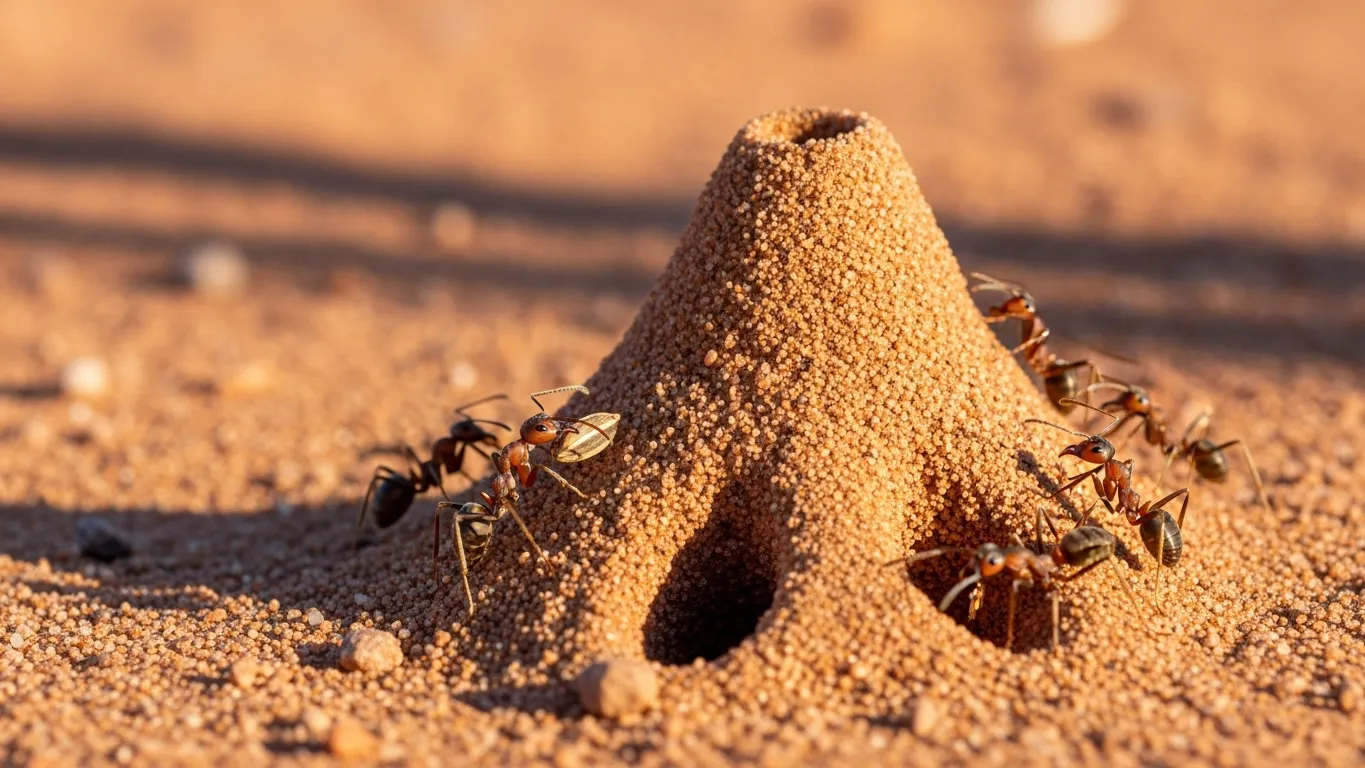
Harvester ants are among the most visible ants in the Phoenix landscape. They are medium to large (6–10 mm), typically red to dark reddish-brown. Their most recognizable feature is the large, cleared mound of gravel and debris surrounding their nest entrance, often spanning several feet in diameter. Harvester ants collect seeds as their primary food source, creating well-worn foraging trails that radiate outward from the colony. They deliver a painful sting and are most commonly found in open desert areas, yards, and along sidewalks or driveways.
Fire Ants (Solenopsis spp.)
Fire ants are smaller than harvester ants (2–6 mm) and range from reddish-brown to reddish-black. Their mounds are dome-shaped and made of loose, finely worked soil, often appearing after rainfall when the soil is soft enough to push upward. Fire ants are aggressive when their mound is disturbed, swarming quickly and delivering multiple stings that produce painful, itchy pustules. They are omnivorous, feeding on insects, seeds, and sweet substances. Fire ant colonies can contain over 200,000 workers and may have multiple queens.
Carpenter Ants (Camponotus spp.)
Carpenter ants are the largest ants you’ll encounter in Phoenix, with workers measuring 6–13 mm. They are typically black, though some species are bicolored (black and red). Unlike termites, carpenter ants do not eat wood, they excavate it to create smooth, gallery-like nesting tunnels. Signs of carpenter ant activity include small piles of sawdust-like frass near wooden structures. In Phoenix homes, they are attracted to moisture-damaged wood around windows, door frames, and areas affected by plumbing leaks. They are primarily nocturnal foragers.
Odorous House Ants (Tapinoma sessile)
Odorous house ants are small (2–3 mm), dark brown to black, and get their name from the distinctive rotten-coconut smell they produce when crushed. They form trails along countertops, baseboards, and foundations, seeking out sweet foods and moisture. Colonies can contain multiple queens and tens of thousands of workers. These ants are among the most common indoor invaders in Phoenix homes, nesting in wall voids, under flooring, and inside insulation. They are not aggressive and do not sting.
Argentine Ants (Linepithema humile)
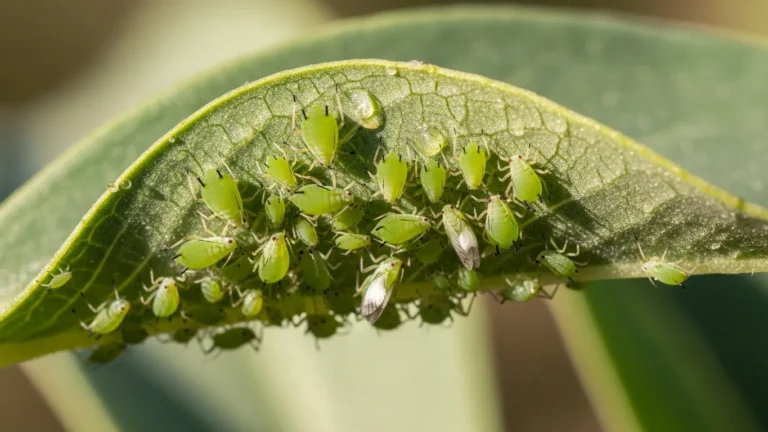
Argentine ants are small (2–3 mm) and uniformly light to dark brown. What makes them distinctive is their colony structure: Argentine ants form massive “supercolonies” with multiple queens, and workers from different nests cooperate rather than compete. This allows populations to explode rapidly. They travel in wide, well-defined trails and prefer sweet foods, often tending aphids on garden plants to harvest honeydew. Argentine ants nest in moist soil near foundations, under mulch, and beneath stones or debris.
What Attracts Ants Into Phoenix Homes?
Ants enter homes for three reasons: food, water, and shelter. In the desert environment, water is often the primary driver, a dripping faucet or condensation around an air conditioning unit can draw ants from surprising distances. Food sources include pet food left out, unsealed pantry items, sticky residue on counters, and garbage. During extreme heat or monsoon storms, ants may also seek indoor shelter to escape harsh outdoor conditions.
How Can You Prevent Ant Infestations?
Effective ant prevention focuses on eliminating the resources ants are seeking:
- Seal entry points. Caulk cracks around windows, doors, and the foundation. Pay attention to where utility pipes and wires enter the home.
- Eliminate moisture. Fix leaking faucets, make sure proper drainage around the foundation, and address any condensation issues on pipes or AC units.
- Store food properly. Keep pantry items in sealed containers, clean up spills and crumbs promptly, and avoid leaving pet food out overnight.
- Manage landscaping. Trim tree branches and shrubs that touch the house, as ants use these as bridges. Keep mulch and gravel beds pulled back at least 12 inches from the foundation.
- Remove debris. Woodpiles, leaf litter, and stored items against the exterior of the home create harborage for ant colonies.
If you’re finding persistent ant trails or large colonies near your home, species identification is critical, different ants require different management strategies. Uni-Tech Pest Control can help identify the species and recommend an appropriate approach. Call 602-962-8935 for assistance.
Frequently Asked Questions
Are ant stings dangerous in Phoenix?
Harvester ant and fire ant stings cause localized pain, swelling, and itching. For most people, stings are uncomfortable but not dangerous. However, individuals with allergies to insect venom can experience anaphylaxis, a severe and potentially life-threatening reaction. If you experience difficulty breathing, swelling of the face or throat, or dizziness after an ant sting, seek emergency medical attention.
Why do ants keep coming back after I clean up?
Ants leave pheromone trails that guide other workers to food and water sources. Even after you remove the food, the chemical trail persists. Cleaning ant trails with a vinegar-water solution or soapy water can disrupt pheromone signals. If the colony is nesting inside or directly adjacent to your home, however, surface cleaning alone won’t resolve the issue, the colony itself must be addressed.
Can ants cause structural damage to my home?
Carpenter ants are the primary structural concern. While they work more slowly than termites, long-term carpenter ant infestations can weaken wooden beams, window frames, and other structural elements, particularly wood that has been softened by moisture. Other ant species do not cause structural damage but can contaminate food and create unsanitary conditions.
When are ants most active in Phoenix?
Ants are active year-round in Phoenix due to the warm climate, but activity increases significantly from spring through fall. Monsoon season (typically July through September) often triggers increased indoor invasions as ants seek shelter from flooding and are drawn to moisture around homes.