
Rodent Control for Phoenix Properties
TLDR: Phoenix’s urban environment, citrus trees, and canal corridors create ideal conditions for roof rats, pack rats, and house mice. Uni-Tech Pest Control provides full rodent control using professional trapping, structural exclusion, and ongoing monitoring to eliminate rodents and keep them out. Call 602-962-8935 for a free rodent inspection.
Why Is Rodent Control Critical in Phoenix?
Phoenix has a well-documented rodent problem driven by the Valley’s unique combination of urban development, irrigated landscaping, citrus groves, canal systems, and surrounding desert. Rodents cause serious damage and pose real health risks:
- Structural damage: Rodents gnaw through wiring, plumbing, insulation, drywall, and wood framing. Gnawed electrical wiring is a documented fire hazard.
- Contamination: Rodent droppings and urine contaminate insulation, stored items, and surfaces throughout your attic, garage, and living spaces.
- Disease transmission: Rodents carry hantavirus, leptospirosis, salmonella, and other pathogens. Their droppings and nesting materials become airborne health hazards in enclosed spaces like attics.
- Secondary pests: Rodent nests harbor fleas, ticks, and mites that can spread to your living areas and pets.
Ignoring a rodent problem does not make it go away. Rodents breed rapidly, and a small issue can escalate into a major infestation within weeks.
What Rodent Species Are Common in Phoenix?
Three species account for the vast majority of rodent problems in the Phoenix metro area. Each has distinct habits that require a customize approach.
Roof Rats
Roof rats are the most problematic rodent in urban Phoenix. They are excellent climbers that travel along power lines, block walls, and tree branches to access rooftops. They enter attics through gaps as small as a quarter, then nest in insulation where they breed, contaminate, and cause damage.
Phoenix’s citrus trees are a major driver of roof rat populations. Fallen oranges, grapefruits, and lemons provide a reliable food source, and the dense canopy offers cover and travel routes. Neighborhoods near canal corridors and mature landscaping tend to have the highest roof rat pressure.
Signs of roof rats include noises in the attic at night, droppings along rooflines and in the garage, gnaw marks on fruit, and grease rub marks along travel paths on walls and pipes.
Pack Rats (White-Throated Woodrats)
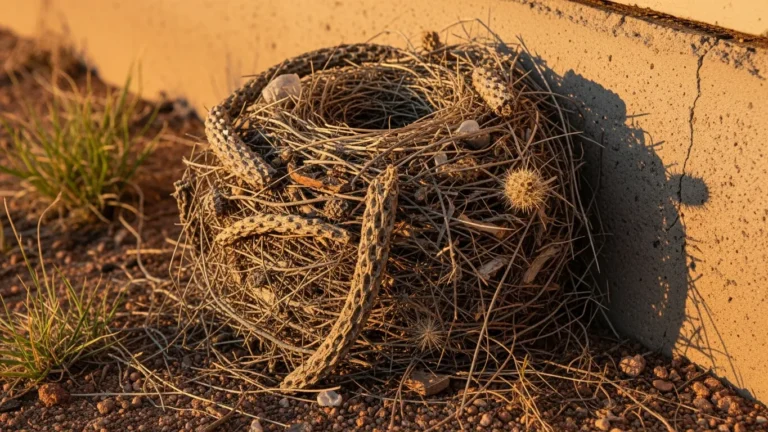
Pack rats are a desert-native species common in Phoenix neighborhoods that border natural desert areas, washes, and mountain preserves. They build large nests (called middens) from sticks, cactus pads, and debris, often inside engine compartments, pool equipment, A/C units, and storage sheds.
Pack rats cause significant damage to vehicle wiring, HVAC systems, and pool equipment. Their nests can also attract kissing bugs (conenose bugs), which are blood-feeding insects associated with Chagas disease.
House Mice
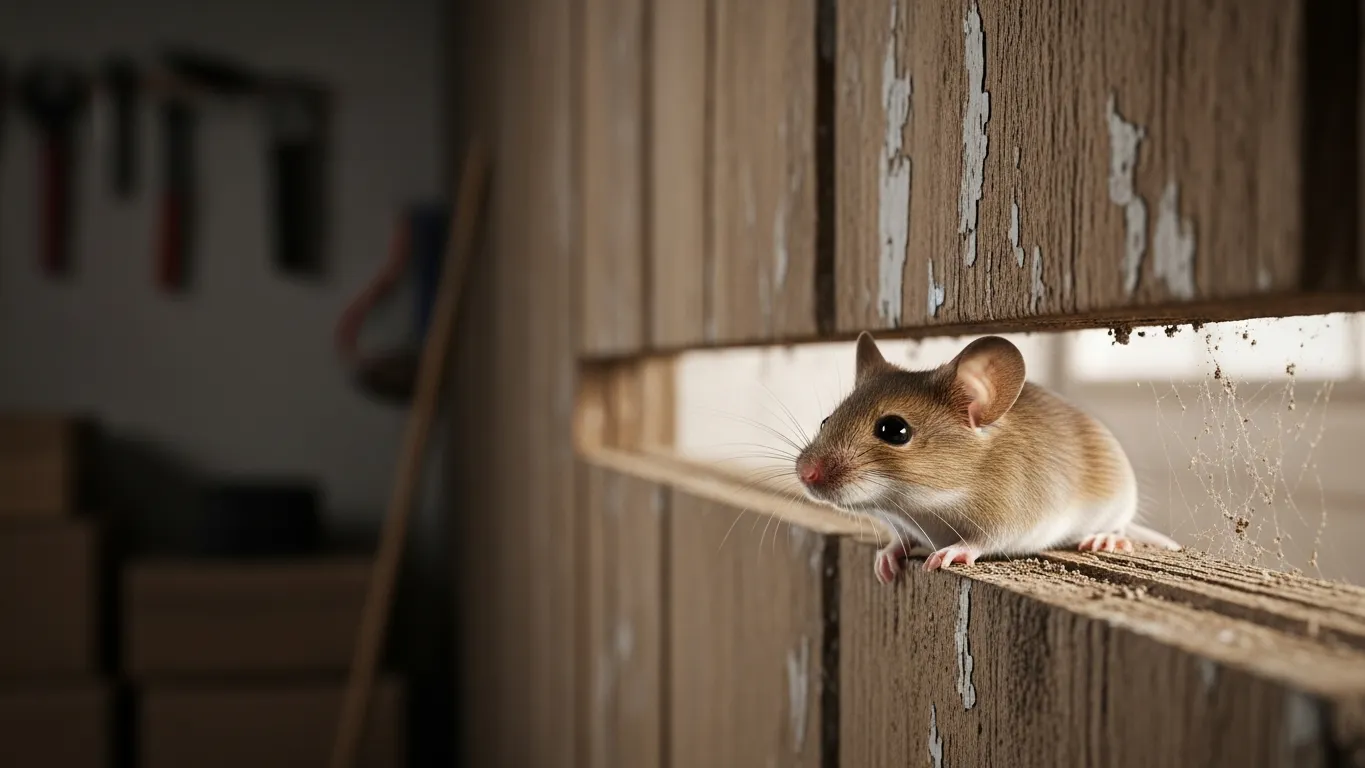
House mice are smaller and less conspicuous than rats but equally problematic. They enter homes through tiny gaps (a hole the diameter of a dime is sufficient) and establish themselves in wall voids, cabinets, pantries, and storage areas. They contaminate far more food than they consume and reproduce rapidly, with a single pair capable of producing dozens of offspring in a matter of months.
How Does Uni-Tech Pest Control Handle Rodent Problems?
Effective rodent control is not a single-visit service. It requires a systematic approach that combines population reduction with structural exclusion and ongoing monitoring. Here is our process.
Step 1: Thorough Inspection
We inspect your property from the ground up, literally. Our inspection covers:
- The full roofline, including plumbing vents, ridge caps, fascia gaps, and A/C line penetrations
- Attic interior for droppings, nesting, gnaw damage, and contaminated insulation
- Exterior walls, weep holes, garage door seals, and utility penetrations
- Landscaping factors including citrus trees, dense vegetation, and proximity to canals or desert
- Interior signs including droppings, gnaw marks, and evidence in pantries or storage areas
We identify active entry points, travel routes, and the species involved. This information shapes the entire treatment plan.
Step 2: Professional Trapping
We deploy professional-grade snap traps in strategic locations based on our inspection findings, along confirmed travel routes, near entry points, and in active harborage areas. Trapping is the fastest and most reliable method for reducing an active rodent population inside your home.
We do not use rodent poison (rodenticides) inside occupied structures. Poisoned rodents frequently die in wall voids and attic spaces, creating severe odor problems and attracting secondary pests. Trapping gives us control over where rodents are captured and removed.
Step 3: Structural Exclusion
Trapping without exclusion is a temporary fix. New rodents will enter through the same openings within days. Exclusion is the most important component of lasting rodent control.
We seal entry points using professional-grade materials:
- Galvanized steel mesh and metal flashing for roof gaps, plumbing penetrations, and A/C line entries
- Hardware cloth for weep holes and ventilation openings
- Expanding foam backed by steel wool for irregular gaps in block walls and foundations
- Door sweeps and garage seal replacement where needed
Every material we use is rodent-resistant. Standard caulk, spray foam, and plastic screening will not stop a determined rat.
Step 4: Sanitation and Habitat Recommendations
We provide specific recommendations to reduce the conditions that attract rodents to your property:
- Harvest citrus promptly and pick up fallen fruit, this is the single biggest factor in roof rat activity across Phoenix
- Trim tree branches at least four feet away from your roofline to eliminate access routes
- Store pet food in sealed containers and do not leave food or water dishes outside overnight
- Remove pack rat harborage materials like woodpiles, dense brush, and debris near structures
- Secure garbage cans with tight-fitting lids
Step 5: Monitoring and Follow-Up
We return to check traps, remove captured rodents, verify exclusion integrity, and assess whether activity is declining. Rodent control is an ongoing process, we continue monitoring until we confirm the infestation is resolved, and we stand behind our exclusion work.
What Should You Expect When You Hire Us?
Your first visit is the most involved, a thorough inspection followed by trap placement and an exclusion assessment. Expect forty-five minutes to over an hour depending on the property. We then return on a regular schedule to service traps and begin exclusion work. Most active infestations are resolved within two to four weeks, with exclusion completed on a timeline based on the scope of work.
We keep you informed at every step, including what we found, what we did, and what to expect next.
How Much Does Rodent Control Cost in Phoenix?
Rodent control pricing depends on the species, severity, property size, and the extent of exclusion work needed. We provide a detailed written estimate after the initial inspection at no charge. Call 602-962-8935 to schedule yours.
Frequently Asked Questions
How do I know if I have roof rats or pack rats?
Roof rats are sleek, dark-colored, and found primarily in attics, rooflines, and trees. Pack rats are stockier, lighter colored, and build visible nests from sticks and debris in ground-level locations like sheds, engine compartments, and landscaping. Droppings and nesting behavior are the quickest ways to identify the species. Our inspection will confirm which species you are dealing with.
Why do you use traps instead of poison?
Poisoned rodents die in unpredictable locations (frequently inside wall voids and attic spaces) creating severe odor problems that can last weeks and attracting flies and other secondary pests. Trapping allows us to capture and remove rodents in controlled locations. It is more effective, more predictable, and avoids the secondary problems associated with rodenticides.
Will rodents come back after exclusion?
Properly executed exclusion using rodent-resistant materials provides lasting protection. However, new entry points can develop over time due to settling, wear, or construction changes. We recommend periodic inspections to verify exclusion integrity, especially on older homes where new gaps can form.
How do citrus trees contribute to rodent problems?
Citrus trees are the primary food source for roof rats in urban Phoenix. Fallen fruit left on the ground is especially attractive, but rats also feed directly from the tree. Properties with citrus trees that are not regularly harvested consistently show higher rodent activity than those without. Prompt fruit harvest is the most impactful thing a homeowner can do to reduce roof rat pressure.
Can rodents damage my home’s electrical wiring?
Yes. Rodents gnaw constantly to wear down their continuously growing teeth, and electrical wiring is a common target. Gnawed wiring creates a real fire risk and is one of the most serious consequences of an unaddressed rodent infestation. If we find evidence of wiring damage during our inspection, we will recommend an evaluation by a licensed electrician.
Do not wait for rodent damage to get worse. Call Uni-Tech Pest Control at 602-962-8935 or request your free inspection online. We serve Phoenix, Scottsdale, Tempe, Mesa, Chandler, Gilbert, and communities throughout the Valley.