
Termite Treatment and Inspections in Phoenix
TLDR: Termite treatment is a separate service from general pest control, with its own inspection process, treatment methods, and ongoing monitoring. Uni-Tech Pest Control provides liquid barrier treatments, bait monitoring stations, spot treatments, and WDIIR real estate reports across the Phoenix metro area.
Why Termite Service Is Separate from General Pest Control
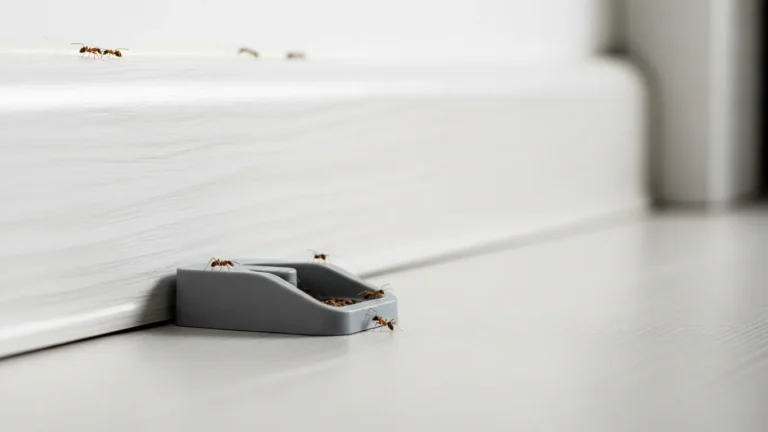
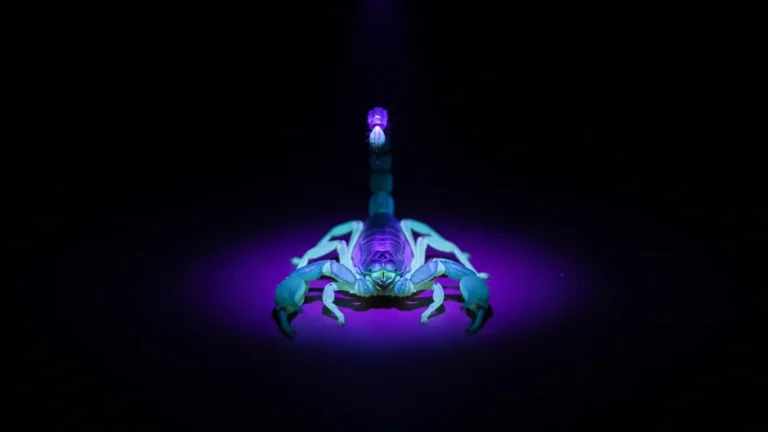
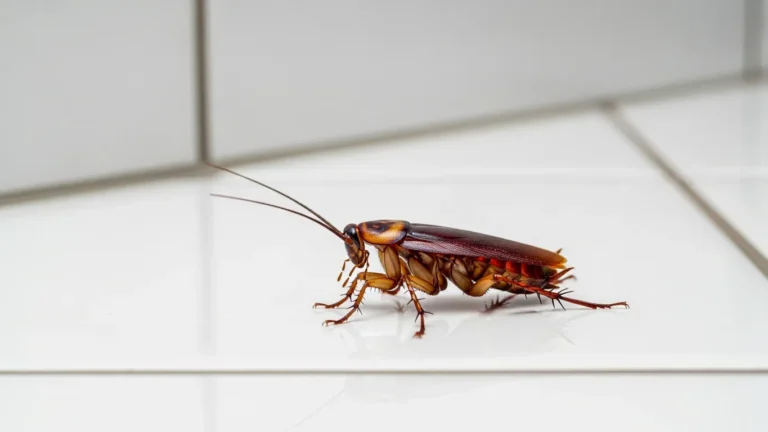
General pest control targets scorpions, ants, roaches, spiders, and other surface-level invaders using perimeter barriers and crack-and-crevice treatments. Termites are a completely different problem. They operate underground and inside wood, often for months or years before you see any evidence.
Termite treatment requires different products, different application methods, and different equipment than what your regular pest control technician brings on a standard visit. That is why Uni-Tech Pest Control treats termite service as its own dedicated service line — separate scheduling, separate inspection process, and separate pricing from your recurring pest plan.
Termite Inspection Process
Every termite service starts with a professional inspection of the property. Our licensed inspector examines:
- Foundation and exterior walls: looking for mud tubes, shelter tubes, and termite entry points along the foundation
- Interior walls and baseboards: checking for bubbling paint, hollow-sounding wood, and frass (termite droppings)
- Attic and crawl spaces: inspecting exposed wood framing for damage and active colonies
- Garage and utility areas: common entry points where plumbing and wiring penetrate the slab
- Landscaping and grade: identifying soil-to-wood contact, mulch against foundations, and irrigation creating moisture near the structure
After the inspection, you receive a written report detailing any findings, the severity of the situation, and recommended treatment options. Inspections for new customers start with a phone call — reach us at 602-962-8935.
Treatment Options
Liquid Barrier Treatment
The most common termite treatment in the Phoenix area. A liquid termiticide is applied to the soil around and under the foundation, creating a continuous chemical barrier between the colony and the structure. In Arizona’s sandy soils, liquid barriers are highly effective because the product bonds well with the soil type. Treatment involves trenching along the foundation perimeter and injecting product through the slab at key entry points.
Bait Monitoring Stations
In-ground bait stations installed around the perimeter of the property. Termites find the stations during normal foraging, consume the bait, and carry it back to the colony. Bait systems work more slowly than liquid barriers but provide ongoing colony suppression and long-term monitoring. Stations are checked on a quarterly schedule.
Spot Treatment
For localized termite activity that does not require a full perimeter treatment. Spot treatment applies termiticide directly to the area where termites are active — a specific wall, a section of foundation, or an isolated entry point. Spot treatments cost less than full perimeter treatments and can resolve contained infestations.
Your technician will recommend the right approach based on the inspection findings, the construction type of your home, and the extent of termite activity.
Real Estate Termite Reports (WDIIR)
Buying or selling a home in Arizona? Lenders and real estate transactions frequently require a Wood Destroying Insect Inspection Report (WDIIR), commonly called a termite report or WDII.
Uni-Tech Pest Control provides WDIIR inspections for:
- Home buyers: know what you are buying before you close; a WDIIR inspection identifies active termite damage and conditions conducive to future infestation
- Home sellers: provide a clean termite report to potential buyers and address any issues before they become negotiation points
- Refinancing: some lenders require a current termite report as part of the refinancing process
WDIIR inspections are scheduled separately and typically completed within one business day. Reports are delivered promptly so they do not hold up your transaction timeline.
Ongoing Monitoring Programs
Termites do not go away permanently after a single treatment. Arizona’s subterranean termites maintain large underground colonies that can re-infest a treated structure if the barrier breaks down or new colonies form nearby.
Uni-Tech offers ongoing termite monitoring that includes:
- Quarterly station checks: for properties with bait monitoring systems, we inspect and refresh stations every three months
- Annual re-inspections: a full property inspection to catch new activity early
- Barrier maintenance: liquid barriers can be refreshed at critical points without retreating the entire perimeter
Monitoring catches new activity before it causes damage. For Arizona homes, where subterranean termites are present in nearly every neighborhood, ongoing monitoring is the most reliable way to protect your investment.
How Termite Service Differs from Your Pest Plan
Most Phoenix homeowners benefit from both services — general pest control for everyday invaders and termite service for structural protection. The two services use different products, different equipment, and different treatment schedules.
Ready to schedule a termite inspection? Call 602-962-8935.
Frequently Asked Questions
How much does termite treatment cost?
Cost depends on the size of your home, the construction type, and the treatment method. Liquid barrier treatments for an average Phoenix home typically run several hundred to over a thousand dollars depending on linear footage. Bait monitoring systems have a lower upfront cost with ongoing quarterly service fees. We provide a clear quote after inspection — no surprises.
How long does termite treatment last?
Liquid barrier treatments typically remain effective for five or more years in Arizona soil conditions, though annual monitoring is recommended to verify the barrier is intact. Bait stations provide continuous protection as long as the monitoring program is active.
What are the signs of termites?
The most common signs in Phoenix homes are mud tubes on foundation walls or in the garage, hollow-sounding wood, bubbling or peeling paint on interior walls, discarded wings near windows or doors (after a swarm), and frass or soil deposits in unexpected places. For a detailed guide on termite identification and biology, see our termite control guide.
Do I need a termite inspection before buying a home?
Arizona does not legally require a termite inspection for home purchases, but most lenders require a WDIIR report, and it is strongly recommended regardless. Termite damage is not covered by homeowner’s insurance, so discovering an active infestation after closing can be an expensive surprise.
Does my regular pest control plan cover termites?
No. General pest control and termite service are separate because they use different products, methods, and equipment. If termite activity is found during a regular pest control visit, your technician will flag it and recommend a termite inspection. The two services work well together but are billed and scheduled independently.