
Ants in Your House: The Health Risks to Know
TLDR: Most ants are nuisance pests, but they can contaminate food and surfaces with bacteria like E. coli and Salmonella. Fire ants pose a venom allergy risk, and carpenter ants cause structural damage. Any persistent indoor ant presence warrants attention.
Are Ants in Your Home Actually Dangerous?
Most people treat indoor ants as a minor annoyance, something to wipe away and forget. And for a stray ant near a windowsill, that reaction is understandable. But when ants are consistently present inside your Phoenix home, especially in kitchens, pantries, and bathrooms, the risks go beyond simple nuisance.
Ants travel through soil, garbage, drains, and decaying organic matter before crossing your countertops and walking over your food. They do not distinguish between a sewage pipe and your cutting board. Understanding what ants can carry, and which species pose the greatest concern, helps you make informed decisions about how urgently to address an indoor ant problem.
How Ants Contaminate Food and Surfaces
Ants are not inherently venomous or disease-carrying in the way mosquitoes or ticks are. Their health risk comes from mechanical contamination, physically transporting bacteria and pathogens from unsanitary environments into your living spaces.
Studies have found that common household ants can carry a range of harmful microorganisms on their bodies, including:
- Salmonella: a leading cause of foodborne illness, causing diarrhea, fever, and abdominal cramps
- E. coli: can cause serious gastrointestinal infection, particularly dangerous for young children and elderly adults
- Staphylococcus: associated with skin infections and, in severe cases, food poisoning
- Streptococcus: linked to throat infections and other illnesses
When ants crawl across food preparation surfaces, utensils, or stored food, they can deposit these organisms. The risk increases with the number of ants present. A few scouts pose minimal concern, but a heavy trailing pattern through your kitchen represents continuous contamination of every surface they cross.
Which Ant Species Pose the Greatest Health Concern
Pharaoh ants are considered the most medically significant household ant. They are tiny (about 1/16 inch), pale yellow to reddish, and prefer to nest indoors, inside wall voids, behind baseboards, and near warm, humid areas. Pharaoh ants are strongly associated with Salmonella and Staphylococcus transmission. In hospitals and food service settings, they are treated as a serious sanitation concern. In homes, they contaminate food and are very difficult to eliminate due to their budding behavior.
Odorous house ants are the most common indoor invaders in Phoenix. While less medically concerning than pharaoh ants, they travel in large numbers and contaminate food and surfaces as they forage. Their colonies can be massive, with multiple queens and thousands of workers moving through your home daily.
Fire ants rarely establish nests indoors, but they do enter homes, particularly during extreme heat or after heavy rain. Their primary health risk is their sting. Fire ant venom causes immediate burning pain, followed by raised pustules that last several days. For individuals with venom allergies, fire ant stings can trigger anaphylaxis, a life-threatening allergic reaction requiring emergency medical treatment.
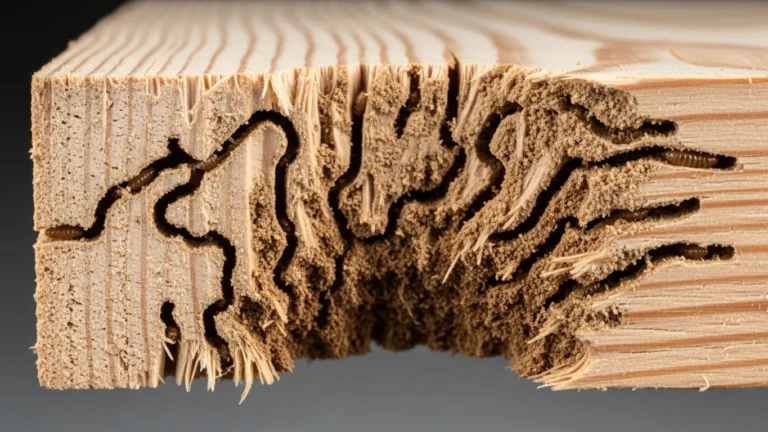
Carpenter ants do not pose a direct health risk to humans, but they cause a different kind of harm. By excavating nesting galleries inside structural wood, they progressively weaken framing, headers, and other load-bearing elements. The damage is hidden inside walls and may go undetected for years.
Signs That Indoor Ants Are a Problem Worth Addressing
Not every ant sighting demands alarm, but the following patterns indicate a situation that should not be ignored:
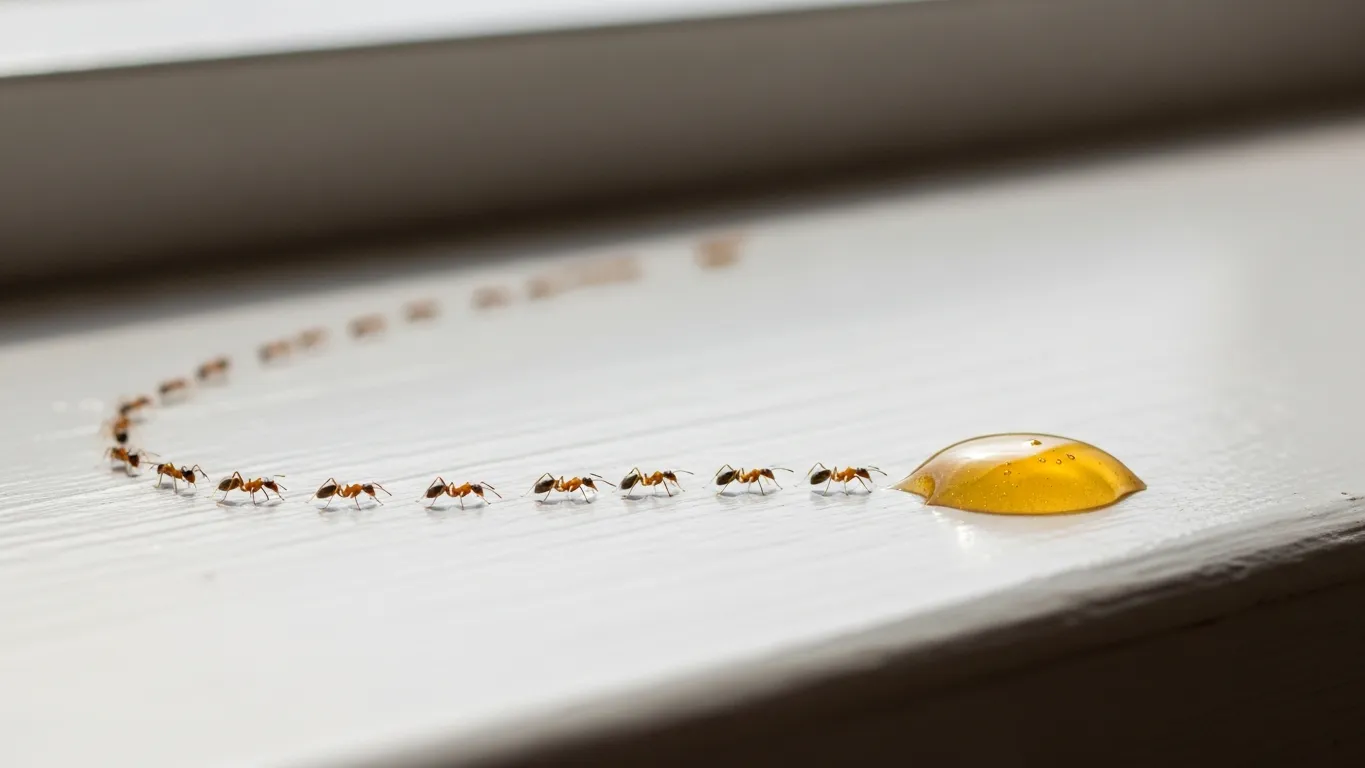
- Consistent trails in the kitchen or pantry. Ants trailing to and from food sources are contaminating everything along their path. The longer the trail persists, the more colony members are involved.
- Ants near or inside food packaging. If you find ants inside cereal boxes, sugar containers, pet food bags, or other stored goods, that food should be discarded. Contamination is not limited to what you can see.
- Activity near plumbing fixtures. Ants in bathrooms, under sinks, or around dishwashers are often following moisture. This can indicate both an ant nesting site and a hidden leak.
- Winged ants indoors. Winged ants (swarmers) appearing inside your home mean a mature colony is nesting in or very near the structure and is producing new reproductive ants to establish additional colonies.
How to Reduce Health Risks from Indoor Ants
Minimizing contamination starts with cutting off ant access to food and living spaces:
- Store all food in sealed, hard-sided containers. Ants can chew through thin plastic bags and cardboard boxes.
- Clean surfaces daily. Wipe counters with soap and water or a mild disinfectant. Clean under appliances regularly.
- Manage trash carefully. Use cans with tight-fitting lids, take garbage out frequently, and clean the interior of bins periodically.
- Fix moisture problems. Repair leaking pipes, clear clogged drains, and make sure proper ventilation in bathrooms and laundry rooms.
- Do not leave pet food out. Place pet bowls on a tray of soapy water to create a moat ants cannot cross, or pick up food bowls between feedings.
These steps reduce contamination risk while you arrange for professional treatment to eliminate the colony permanently. Uni-Tech Pest Control offers free inspections for Phoenix homeowners dealing with ant problems, call to schedule yours.
Ready to get rid of ants? Call Uni-Tech Pest Control at (602) 962-8935 for a free inspection, or contact us online to schedule service.
Frequently Asked Questions
Can ants in my kitchen make my family sick?
Yes, though the risk depends on the species and the extent of the infestation. Ants mechanically transfer bacteria like Salmonella and E. coli from unsanitary environments to food and food preparation surfaces. Heavy infestations pose a greater contamination risk than occasional scout ants.
Should I throw away food that ants have gotten into?
Yes. Any food that ants have accessed should be discarded. Even if you remove the visible ants, bacterial contamination may remain on the food and packaging.
Are ant bites or stings a health concern?
Most Phoenix ant species do not bite or sting in a way that affects humans. The notable exception is fire ants, whose stings cause pain, swelling, and pustules. People with venom allergies should carry an epinephrine auto-injector and seek medical attention immediately after a fire ant sting.
Do ants carry disease like cockroaches do?
Ants and cockroaches pose similar contamination risks. Both mechanically transport bacteria on their bodies. Cockroaches are generally considered a greater allergen source, but ants (especially pharaoh ants) are documented carriers of pathogenic bacteria in residential and healthcare settings.
How do I know if I have pharaoh ants?
Pharaoh ants are very small (about 1/16 inch), pale yellow to light reddish-brown, and tend to nest indoors near warmth and moisture. If you see tiny, light-colored ants trailing near bathrooms, kitchens, or along hot water pipes, a professional identification is recommended, as pharaoh ants require specialized baiting strategies.