
Black Widows in Phoenix: How to Identify and Stay Safe
TLDR: Black widows are the most medically significant spider in the Phoenix area. Females are shiny black with a red hourglass marking on the abdomen. Their bites cause pain, cramping, and neurological symptoms that require medical attention. Professional removal is strongly recommended over DIY approaches.
Black widow spiders are one of the most recognized and feared spider species in North America, and they are well established throughout the Phoenix metro area. The warm desert climate, abundant insect prey, and plentiful hiding spots in residential properties make Phoenix an ideal habitat for these venomous spiders.
While black widow bites are rarely fatal in healthy adults, they are painful and can cause serious symptoms that require medical treatment. Knowing how to identify black widows, where they hide, and how to respond to their presence keeps you and your family safer.
How to Identify a Black Widow Spider
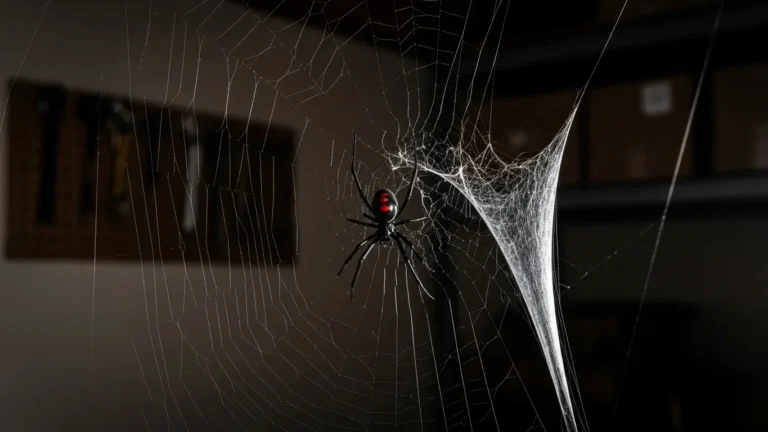
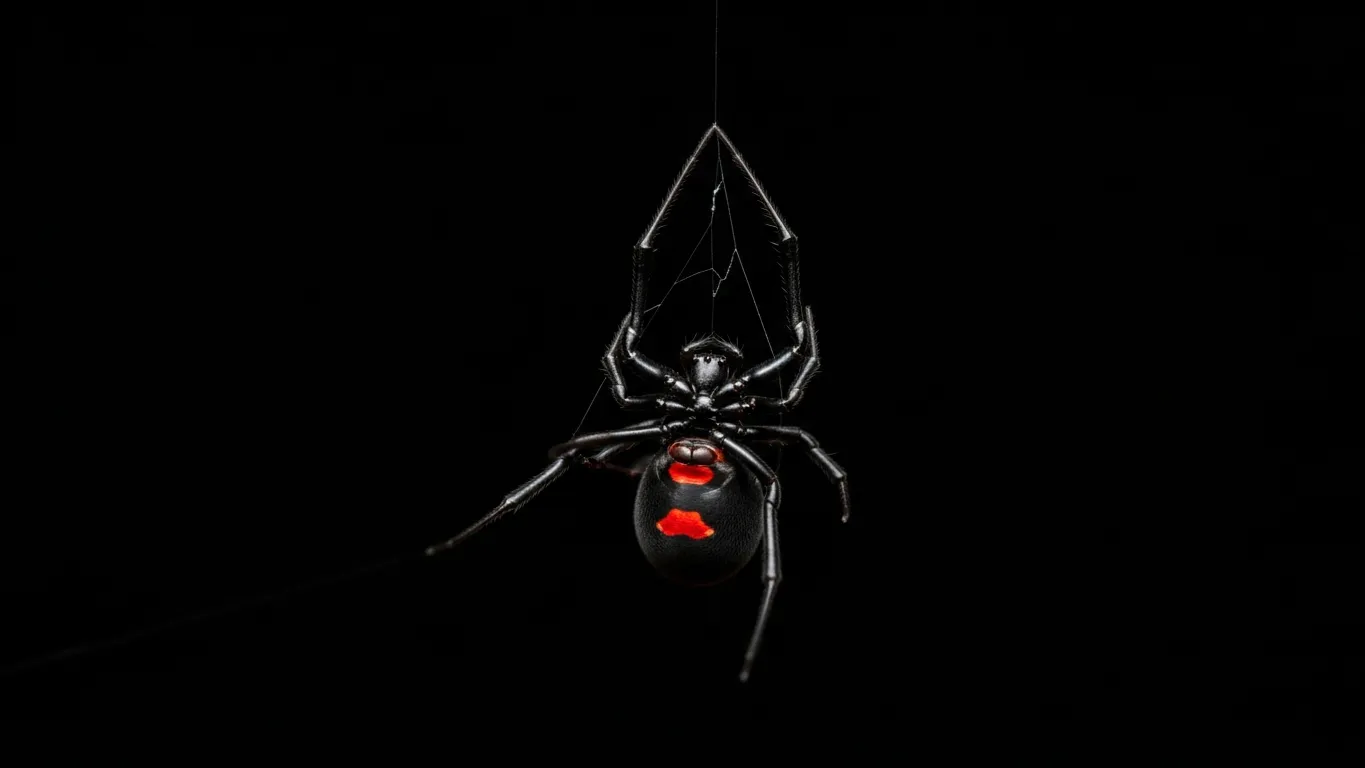
Female black widows are the ones that pose a bite risk and are the easiest to identify. Key features include:
- Size: Body length of approximately half an inch, with a total leg span of about 1.5 inches.
- Color: Shiny, jet-black body.
- Marking: A red or reddish-orange hourglass-shaped marking on the underside of the rounded abdomen. This is the defining identification feature.
- Variation: Some females display an incomplete or broken hourglass, appearing as two separate red triangles or irregular red blotches rather than a clean hourglass shape.
Male black widows are smaller and less recognizable. They are lighter in color, often brown or gray, and may have red, white, or orange markings along the sides of their abdomen or on their legs. Males are not considered a significant bite risk.
Juvenile black widows look different from adults. They are lighter in color, often tan or gray with white or pale markings. As they mature through successive molts, they gradually darken to the characteristic shiny black.
Webs: Black widow webs are messy, irregular, and strong. Unlike the symmetrical orb webs of garden spiders, black widow webs appear tangled and haphazard. They are typically built low to the ground in sheltered locations.
Where Black Widows Hide in Phoenix Homes
Black widows are reclusive. They avoid open, high-traffic areas and seek out dark, undisturbed spaces. In and around Phoenix homes, the most common hiding spots include:
- Garages: Under workbenches, behind stored boxes, inside seldom-used equipment, and in corners near the floor.
- Block wall fences: The hollow cavities and gaps in block wall construction are prime black widow habitat throughout Phoenix neighborhoods.
- Meter boxes and utility panels: The dark enclosures around water meters, electrical panels, and cable boxes provide ideal shelter.
- Under patio furniture: Especially chairs, tables, and stored cushions that sit undisturbed for extended periods.
- Storage sheds: Cluttered sheds with cardboard boxes and stacked materials are particularly attractive.
- Landscape features: Under decorative rock, inside irrigation valve boxes, beneath potted plants, and in ground-level rock walls.
- Indoor spaces: Dark closets, undisturbed corners of laundry rooms, and behind furniture pushed against walls.
The pattern is consistent: anywhere that is dark, sheltered, and rarely disturbed is a potential black widow harborage site.
Black Widow Bite Symptoms and First Aid
Black widow venom is a neurotoxin that affects the nervous system. Not every bite results in a full envenomation, as black widows can deliver “dry bites” that inject little or no venom. However, you should always treat a suspected black widow bite as a medical situation.
Symptoms typically include:
- Immediate sharp pain at the bite site, followed by localized swelling and redness
- Muscle pain and cramping, often in the abdomen, back, or shoulders
- Nausea and vomiting
- Sweating and chills
- Headache
- Elevated blood pressure
- Weakness or tremors
- In severe cases, difficulty breathing or chest tightness
Symptoms usually develop within 30 to 60 minutes of the bite and can persist for 24 to 72 hours. Most healthy adults recover fully with appropriate medical care.
First aid steps:
- Stay calm. Black widow bites are very rarely fatal.
- Clean the bite area with soap and water.
- Apply a cold compress to reduce swelling and pain.
- Seek medical attention promptly. Call your doctor or visit an emergency room, particularly if symptoms are escalating.
- If possible, note the spider’s appearance or take a photo to help medical providers confirm the species.
Who is most at risk: Children, elderly adults, and individuals with compromised immune systems or pre-existing cardiovascular conditions are at higher risk for severe reactions. For these groups, seek emergency medical care immediately after a suspected bite.
Safe Removal: Why Professional Treatment Is Recommended
Attempting to remove black widows yourself carries unnecessary risk. These spiders often live in tight, dark spaces where accidental contact is likely during removal. They may also be present in greater numbers than you realize, since black widows are well camouflaged in the shadows where they build their webs.
Professional pest control technicians address black widow problems through:
- Thorough inspection of all known harborage sites, both interior and exterior
- Web and egg sac removal to eliminate developing populations (a single female can produce multiple egg sacs, each containing 200 to 900 eggs)
- Targeted residual treatment in cracks, crevices, voids, and harborage zones
- Perimeter barrier application to intercept black widows and the insects that attract them
- Ongoing monitoring through scheduled follow-up visits
If you spot a black widow and need to avoid the area until a professional can arrive, mark the location and keep children and pets away. Do not attempt to crush or handle the spider.
Reducing Black Widow Habitat Around Your Property
While professional treatment addresses the existing population, reducing favorable habitat makes your property less attractive to black widows over time.
- Declutter storage areas. Replace cardboard boxes with sealed plastic bins and keep items off the floor.
- Wear gloves when reaching into storage areas, meter boxes, or landscape features.
- Shake out shoes, gloves, and clothing that have been stored in garages or sheds.
- Reduce exterior lighting near entry points to minimize the insect prey that black widows feed on.
- Clear debris from along foundation walls and fence lines.
- Seal cracks and gaps in your foundation, block walls, and around utility penetrations.
These habits protect you from accidental bites while reducing the conditions that sustain black widow populations. If you need black widow removal, Uni-Tech Pest Control provides free inspections for Phoenix-area homes.
Ready to get rid of black widow spiders? Call Uni-Tech Pest Control at (602) 962-8935 for a free inspection, or contact us online to schedule service.
Frequently Asked Questions
Are black widow bites fatal?
Fatalities from black widow bites are very rare in the United States. Modern medical care effectively manages symptoms in the vast majority of cases. However, bites are painful and debilitating, and they always warrant medical attention.
How common are black widows in Phoenix?
Black widows are very common throughout the Phoenix metro area. They thrive in the desert climate and are found in most residential neighborhoods. It is not unusual to find them in garages, block wall fences, meter boxes, and landscape features on any Phoenix property.
Can I use store-bought spider spray on black widows?
Over-the-counter spider sprays can kill individual black widows on contact. However, spray products do not address egg sacs, hidden individuals, or the prey insect populations that attract black widows. Contact sprays provide a temporary fix but do not resolve the underlying problem. Professional treatment delivers more thorough and lasting results.
How do I tell a black widow from other black spiders?
The red hourglass marking on the underside of the abdomen is the definitive feature of a female black widow. If you see a shiny black spider and are unsure, do not flip it over to check. Instead, observe from a safe distance or take a photo. Other black spiders in the Phoenix area, such as certain jumping spiders, lack the bulbous abdomen and signature marking of a black widow.
When are black widows most active in Phoenix?
Black widows are present year-round in Phoenix but are most active during the warmer months when insect prey populations are at their peak. They are primarily nocturnal, so you are most likely to encounter them after dark or when disturbing their hiding spots during the day.