

How to Prevent Cockroaches in Your Phoenix Home
TLDR: Cockroach prevention in Phoenix comes down to three things: eliminating moisture, removing food sources, and sealing entry points. Consistent habits matter more than any single product. Combine good sanitation practices with professional perimeter treatments for the strongest year-round protection.
How Do Cockroaches Get Into Phoenix Homes?
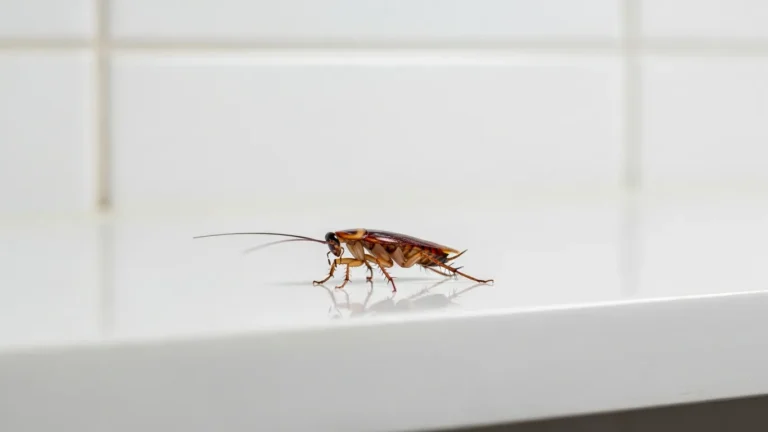
Cockroaches are flat insects that can squeeze through gaps as narrow as the height of two stacked pennies. That means most homes have dozens of potential entry points, even newer construction. Common access points include:
- Foundation cracks — even hairline cracks in slab foundations provide enough space.
- Door and window frame gaps — worn weatherstripping and damaged screens are open invitations.
- Plumbing penetrations — pipes entering through walls and floors often have unsealed gaps around them.
- Drains — floor drains, shower drains, and even toilet bases connect to sewer lines where cockroaches thrive.
- Electrical and cable conduits — openings where wiring enters the home are rarely sealed tightly.
- Vents and weep holes — dryer vents, attic vents, and brick weep holes without screens.
- Garage doors — the gap at the bottom of most garage doors is more than enough for a roach to slip through.
- Hitchhiking — roaches travel inside cardboard boxes, grocery bags, secondhand furniture, and even appliances.
Understanding these entry points is the first step toward prevention. You cannot rely on cleanliness alone if your home has unsealed openings.
What Attracts Cockroaches to Your Home?
Cockroaches need three things to survive: food, water, and shelter. If your home provides all three, it becomes a target. Here is what draws them in:
Food sources. Cockroaches are not picky eaters. They consume crumbs, grease residue, pet food, pantry spills, cardboard, wallpaper paste, soap, and even hair. A kitchen that looks clean to you may still have enough residue in appliance crevices and cabinet corners to sustain a colony.
Moisture. This is the biggest attractant in the Phoenix desert climate. Leaky faucets, sweating pipes, standing water in drip trays, overwatered houseplants, and poor bathroom ventilation all create the humid microenvironments cockroaches depend on. Many homeowners are surprised to learn that their arid Phoenix home has enough interior moisture to support roaches.
Shelter and clutter. Cockroaches are thigmotactic — they prefer tight spaces where their bodies touch surfaces on multiple sides. Stacked cardboard boxes, newspaper piles, crowded closets, and cluttered garage shelving provide exactly the kind of dark, snug harborage they seek.
Step-by-Step Prevention Strategies That Actually Work
Prevention is not about a single action. It is about building layers of defense that make your home as inhospitable to cockroaches as possible.
Seal Your Home’s Exterior
Walk the perimeter of your home with a tube of silicone caulk and a flashlight. Seal cracks in the foundation, gaps around pipe penetrations, spaces where cable lines enter, and any visible openings larger than a credit card’s thickness. Install door sweeps on exterior doors, replace damaged weatherstripping, and add mesh screens to dryer vents and weep holes.
Eliminate Moisture Problems
Moisture is the strongest cockroach attractant in Phoenix’s desert climate. Target these areas:
- Fix dripping faucets and leaking pipes immediately — even slow drips sustain hundreds of roaches
- Check under sinks, behind toilets, and around water heaters monthly
- Run exhaust fans during and after showers
- Use a dehumidifier in laundry rooms, enclosed patios, and other naturally humid spaces
- Dry sinks and tubs before bed — cockroaches drink from wet surfaces overnight
Practice Rigorous Food Management
Cockroaches eat crumbs, grease residue, pet food, cardboard, and soap. Reduce available food with these habits:
- Store all pantry items, pet food, and leftovers in airtight hard-sided containers
- Wipe down countertops and stovetops every evening
- Sweep or vacuum the kitchen floor daily, especially under and behind appliances
- Clean inside your trash can regularly, not just the bag
- Take garbage out before it sits overnight
If cockroaches are already established despite good prevention habits, see our guide on how to get rid of cockroaches for active treatment steps.
Reduce Harborage Sites
Eliminate cardboard storage boxes in garages and closets — switch to sealed plastic bins. Recycle newspapers and magazines promptly. Pull stored items away from walls to allow airflow and reduce dark hiding spots. Declutter under sinks, which is prime cockroach habitat.
Manage Your Yard and Perimeter
Cockroach prevention starts outside your walls. Keep landscaping trimmed back from the home’s foundation. Clear leaf litter, fallen fruit, and organic debris from the perimeter. Store firewood well away from the house. Make sure gutters drain properly and do not create standing water near the foundation. Outdoor trash cans should have tight-fitting lids and sit as far from exterior doors as practical.
Why Ongoing Professional Control Matters
Even the most diligent homeowner cannot fully prevent cockroaches in the Phoenix area through sanitation and exclusion alone. The warm climate supports large outdoor cockroach populations year-round, and new roaches constantly explore your home’s perimeter looking for entry. Professional perimeter treatments create a chemical barrier that intercepts roaches before they get inside.
Uni-Tech Pest Control offers recurring pest management programs — monthly, bimonthly, or quarterly — designed for your home’s specific risk factors. These programs include perimeter treatments, interior monitoring, and ongoing inspections to catch new activity early. The combination of professional treatments and good household habits provides the strongest long-term defense available.
Ready to get rid of cockroaches? Call Uni-Tech Pest Control at (602) 962-8935 for a free inspection, or contact us online to schedule service.
Frequently Asked Questions
Does keeping a clean house guarantee no cockroaches?
No. Cleanliness reduces food sources and makes your home less attractive, but cockroaches can survive on minimal food. Moisture and entry points matter just as much. A clean home with unsealed gaps and a dripping pipe can still develop an infestation.
How often should I inspect my home for cockroach activity?
Check high-risk areas — under sinks, behind appliances, and in garage corners — at least once a month. Look for droppings, egg casings, or musty odors. Catching activity early makes treatment far simpler.
Do natural repellents like bay leaves or peppermint oil work?
These may mildly deter roaches from a specific spot, but they do not eliminate or prevent infestations. No natural repellent provides reliable long-term control. They are best used as a supplement to sealing, sanitation, and professional treatment — not a replacement.
Are cockroaches worse in certain seasons in Phoenix?
Cockroach activity increases when outdoor temperatures rise, which drives some species indoors seeking cooler, moister conditions. However, Phoenix’s mild winters mean roaches remain active year-round. Prevention should be a continuous effort, not a seasonal one.
What should I do if I see one cockroach?
One cockroach does not always mean an infestation, but it is a clear signal to act. Inspect the area where you found it for droppings or egg casings, review your prevention habits, and consider scheduling a professional inspection. Early intervention is always easier and less costly than treating an established colony.