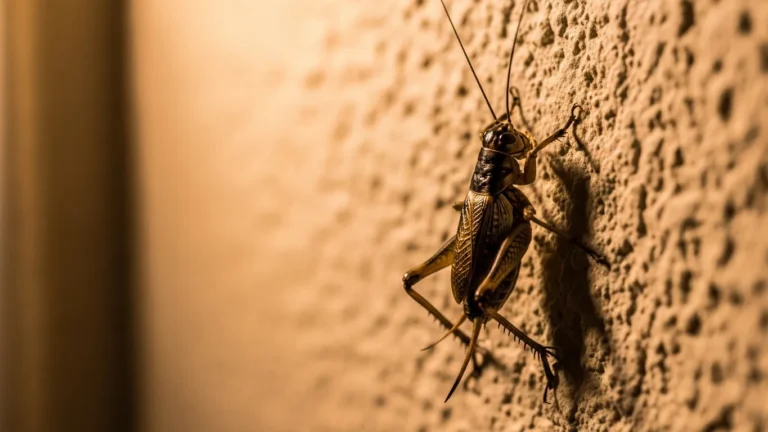

How to Stop a Cricket Infestation in Your Home
TLDR: If crickets are already established inside your home, elimination requires more than prevention tips. Identify the signs of an active infestation, take immediate action to reduce the population, and call a professional when DIY methods cannot reach nesting sites inside walls or under your foundation.
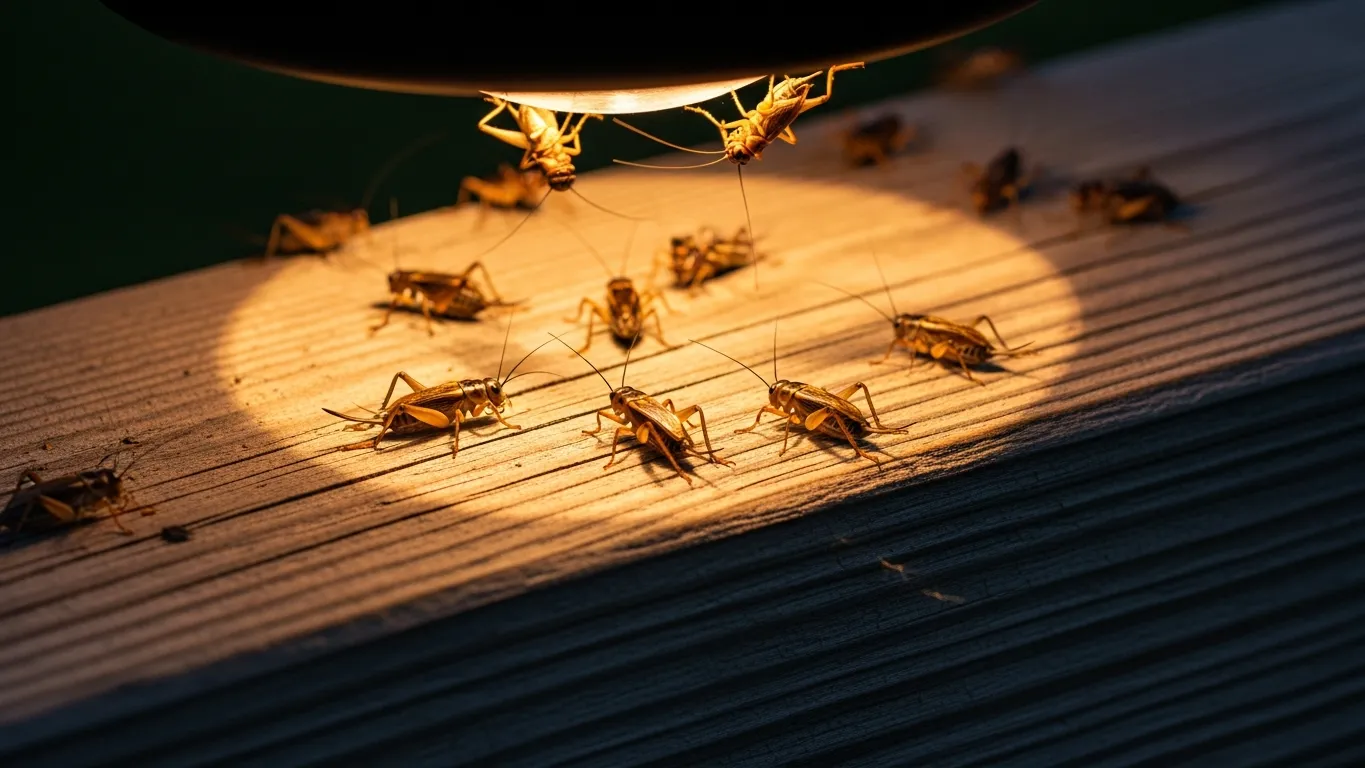
If you have heard persistent chirping inside your walls or found crickets hopping across your kitchen floor, you are dealing with an active infestation that has moved past the prevention stage. This guide focuses on what to do when crickets are already inside — how to confirm the problem, take immediate action, and decide when professional treatment is the right call.
For species identification and long-term prevention strategies, see our cricket identification and prevention guide.
Signs You Have a Cricket Infestation
Not every chirp means you have an infestation, but certain signs indicate the problem has moved beyond a stray insect:
- Persistent nighttime chirping coming from inside walls, garages, or storage areas
- Visible droppings that look like small dark specks near baseboards, closets, or pantry shelves
- Fabric damage to clothing, curtains, upholstery, or wallpaper, especially items made of cotton, silk, or wool
- Frequent sightings of live crickets in kitchens, bathrooms, laundry rooms, or garages
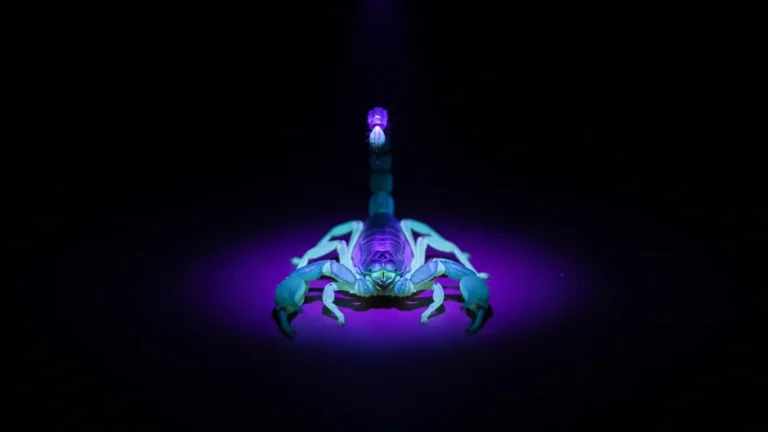
- Increased scorpion activity, since scorpions prey on crickets and follow them into homes
If you notice two or more of these signs, you likely have an established population that warrants immediate action.
Immediate Steps for an Active Infestation
When crickets are already inside, your priority shifts from prevention to population reduction and source elimination:
Vacuum Aggressively
Use a vacuum with a hose attachment to remove live crickets, eggs, and droppings from baseboards, closet floors, behind appliances, and along wall-floor junctions. Cricket eggs are tiny and often deposited in carpet fibers, cracks in flooring, and soil of indoor potted plants. Empty the vacuum canister into a sealed outdoor trash bin immediately after each session.
Deploy Sticky Traps Strategically
Place large sticky traps (glue boards) along walls in rooms where you hear chirping or have seen activity. Focus on garages, laundry rooms, closets, and the areas behind large furniture. Check traps daily. The catch pattern tells you where crickets are most concentrated and helps you or your technician pinpoint nesting areas.
Reduce Indoor Humidity
Crickets cannot survive without moisture. Run exhaust fans in bathrooms and laundry rooms. Fix any dripping faucets or sweating pipes. Use a portable dehumidifier in rooms where crickets are most active. In the dry Phoenix climate, reducing indoor humidity is one of the fastest ways to stress a cricket population.
Protect Vulnerable Items
Move clothing, fabrics, and stored textiles into sealed plastic bins or garment bags. Crickets feed on cotton, silk, wool, and leather, and an active infestation can cause significant damage to closet contents. Pay special attention to items stored in garages or spare rooms where crickets are most active.
Address the Immediate Perimeter
While this guide focuses on indoor elimination, the crickets inside almost certainly entered from outside. As a stopgap, apply a perimeter treatment around your home’s foundation using a residual insecticide labeled for crickets. This reduces the flow of new crickets entering while you address the indoor population.
How Professional Cricket Treatment Works
When an infestation is established inside walls or under the foundation, consumer products cannot reach the source. Here is what professional treatment involves:
Interior inspection and species identification. A technician identifies whether you are dealing with Indian house crickets (which breed indoors) or field crickets (which wander in from outside). This distinction determines the treatment strategy. Indian house cricket infestations require interior nest targeting; field cricket invasions call for exterior-focused perimeter work.
Targeted interior treatment. For indoor breeding populations, technicians apply residual products and dust formulations into wall voids, behind baseboards, inside electrical boxes, and in other harborage sites that consumer sprays cannot reach. These products continue working for weeks, eliminating crickets as they move through treated areas.
Exterior barrier application. A professional-grade perimeter treatment around the foundation, doorways, and window frames creates a chemical barrier that kills crickets attempting to enter. This barrier intercepts new arrivals and prevents reinfestation while the interior population is being eliminated.
Growth regulators. For severe Indian house cricket infestations, insect growth regulators (IGRs) may be applied to disrupt the reproductive cycle. IGRs prevent nymphs from maturing, which collapses the breeding population over time.
Follow-up assessment. A return visit confirms that the population is declining and allows the technician to adjust treatment if activity persists in specific areas.
Why Cricket Control Matters for Scorpion Prevention
One of the most compelling reasons to address cricket infestations promptly is the direct connection to scorpion activity. Bark scorpions — the most common venomous scorpion in Phoenix — feed heavily on crickets. A home surrounded by crickets is a home that actively attracts scorpions.
Many Uni-Tech Pest Control customers who invest in cricket elimination report a noticeable reduction in scorpion sightings within weeks. Cutting off the food supply is one of the most effective indirect scorpion control strategies available.
Ongoing Protection
A one-time treatment can knock down an active infestation, but long-term control requires recurring service. Regular pest control on a monthly, bimonthly, or quarterly schedule creates a continuous barrier that keeps crickets and other common Phoenix pests from re-establishing themselves. Scheduled visits also allow your technician to catch early signs of new activity before it becomes a full infestation.
Uni-Tech Pest Control provides customized residential pest control plans for homeowners throughout the Phoenix metro area. Contact us for a free property assessment.
Ready to get rid of crickets? Call Uni-Tech Pest Control at (602) 962-8935 for a free inspection, or contact us online to schedule service.
Frequently Asked Questions
Are crickets dangerous to humans?
Crickets are primarily nuisance pests. They do not bite, sting, or transmit diseases to humans. However, they can damage fabrics, contaminate food, and their droppings create unsanitary conditions. Their presence also attracts scorpions and spiders, which do pose health risks.
How quickly can a cricket infestation grow?
A single female cricket can lay several hundred eggs over her lifetime, and eggs can hatch in as little as two weeks under warm conditions. In Phoenix, where temperatures stay warm for much of the year, a small cricket problem can escalate to a significant infestation within a few weeks.
Why do I keep finding crickets in my house even after spraying?
Over-the-counter sprays typically kill only the crickets they contact directly. They do not address eggs, hidden nesting sites, or the entry points that allow new crickets inside. Effective control requires sealing entry points, removing attractants, and applying professional-grade residual treatments that continue working after the initial application.