
How to Identify and Prevent Crickets in Phoenix
TLDR: Phoenix is home to two main pest cricket species: Indian house crickets and field crickets. Understanding what attracts them to your property — food, moisture, shelter, and light — is the key to keeping them away with targeted prevention strategies.
The sound of chirping crickets may seem harmless at first, but when dozens of them take up residence in your yard or home, they become a genuine nuisance. Crickets in the Phoenix area are more than just noisy. They attract predators like scorpions, damage fabrics and garden plants, and can multiply rapidly in the warm desert climate. Knowing which species you are dealing with and what draws them to your property puts you in a much stronger position to prevent problems before they start.
Identifying Phoenix’s Most Common Crickets
Two cricket species cause the majority of problems for Phoenix-area homeowners. Learning to tell them apart helps you understand the level of risk and choose the right response.
Indian House Crickets
Indian house crickets are the more concerning of the two species because they can survive and reproduce indoors. These crickets are yellowish-brown with darker markings and measure roughly three-quarters of an inch as adults. They are primarily nocturnal and gravitate toward kitchens, bathrooms, garages, and any area with access to food and moisture.
Indian house crickets are opportunistic eaters. They feed on food scraps, pet food, plant material, paper, and fabric. Because they can complete their entire life cycle inside a home, a small indoor population can grow into a significant infestation if left unchecked.
Field Crickets
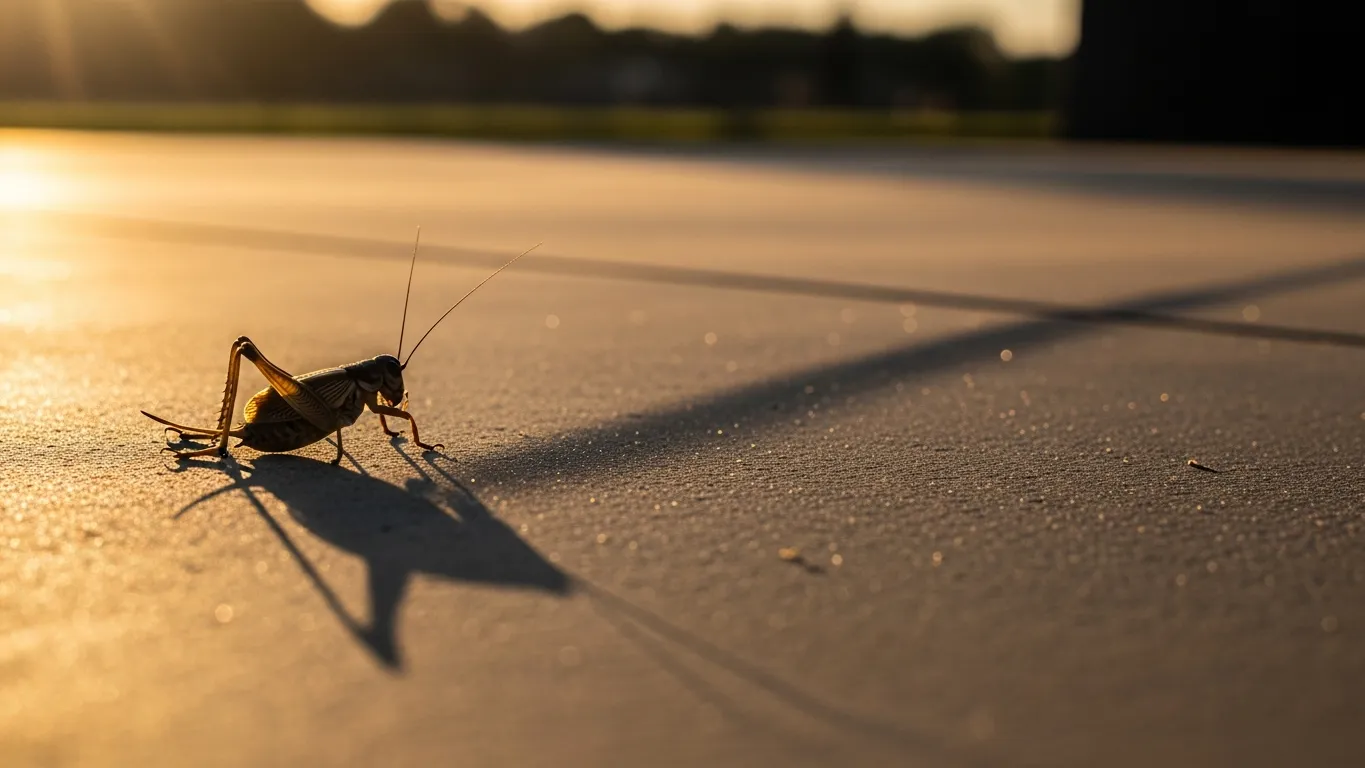
Field crickets are larger, often exceeding one inch in length, with shiny brown or black bodies. They are the classic chirping cricket most people picture. Unlike Indian house crickets, field crickets are primarily outdoor insects. They feed on plant material, seeds, and other insects, and they cannot reproduce indoors.
Field crickets do wander inside through open doors, gaps in weatherstripping, or damaged screens, especially when drawn by interior lighting. While they do not establish breeding populations indoors, even a few field crickets inside your home can produce enough noise to disrupt sleep and leave droppings on floors and countertops.
Why Your Yard Attracts Crickets
Crickets do not show up randomly. Specific conditions on your property draw them in, and understanding these attractants is the foundation of effective prevention.
Moisture and Irrigation
Phoenix homes with irrigated landscaping create pockets of moisture that stand out in the surrounding desert. Overwatered lawns, leaky irrigation valves, dripping hose bibs, and puddles near air conditioning units all provide the hydration crickets need. Properties with flood irrigation are particularly vulnerable.
Outdoor Lighting
Crickets, like most nocturnal insects, are strongly attracted to artificial light. Bright white or blue-toned porch lights, landscape lighting, and even light spilling through windows can draw crickets from surrounding areas directly to your home. A single porch light can concentrate dozens of crickets near your front door on a warm evening.
Shelter and Ground Cover
Dense vegetation, ground cover, mulch beds, rock piles, firewood stacks, and landscape debris all provide daytime hiding spots for crickets. Overgrown yards with thick turf or heavy plantings near the foundation create ideal harborage conditions. Crickets shelter in these areas during the day and emerge at night to feed and mate.
Food Sources
Lawns and garden beds supply plant material, seeds, and small insects that crickets feed on. Pet food left outdoors, open compost bins, and fallen fruit from citrus trees add to the buffet. The more food available near your home, the more crickets your property will support.
The Real Problems Crickets Cause
Many homeowners dismiss crickets as a minor annoyance, but unchecked populations create cascading problems:
- Sleep disruption: Male crickets chirp by rubbing their wings together to attract mates. In large numbers, the noise is relentless, especially at night when temperatures are still warm.
- Fabric and material damage: Crickets that get indoors feed on cotton, silk, wool, leather, and even wallpaper. Closets, storage areas, and rooms with carpeting are common damage sites.
- Garden damage: While individual crickets eat small amounts, large populations can damage flower beds, vegetable gardens, and young plants.
- Attracting predators: Crickets are a primary food source for bark scorpions, wolf spiders, and other predatory pests common in Phoenix. A cricket population around your home effectively invites these more dangerous pests onto your property.
Practical Prevention Strategies
Effective cricket prevention addresses all four attractants: moisture, light, shelter, and food. Here is a checklist you can work through:
- Adjust irrigation so water does not pool near the foundation. Water in the early morning so soil dries during the day.
- Switch outdoor lights to warm-yellow or amber LED bulbs. Position fixtures away from doorways and windows.
- Trim vegetation so shrubs, ground cover, and ornamental grasses do not contact exterior walls. Maintain at least a 12-inch clearance.
- Remove harborage by clearing debris, woodpiles, and stored materials from around the foundation.
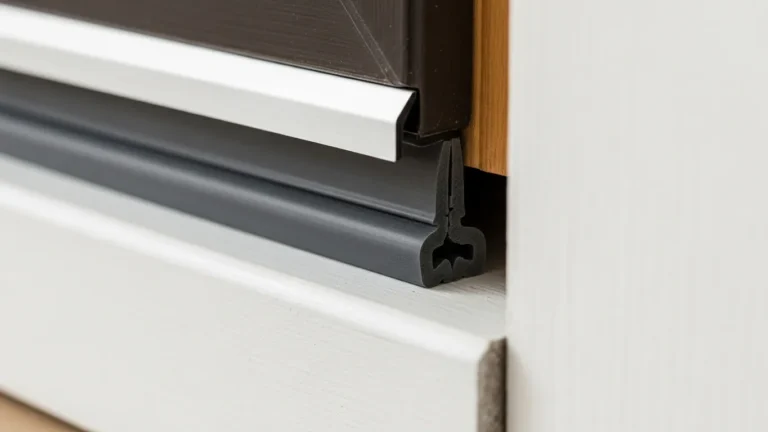
- Seal entry points including gaps under doors, cracks in stucco or block walls, openings around pipes and wires, and torn window screens.
- Manage food sources by picking up pet food at night, cleaning up fallen fruit, and keeping compost bins sealed.
- Vacuum regularly inside the home to remove crumbs and any cricket eggs that may have been deposited in carpet fibers.
When to Call a Professional
Prevention goes a long way, but established cricket populations often require professional intervention. If you are hearing chirping inside your walls, finding cricket damage on clothing or fabrics, or noticing an increase in scorpion activity around your home, it is time to bring in expert help.
Uni-Tech Pest Control provides full cricket control for homes throughout the Phoenix metro area. Our technicians identify the species involved, locate activity hot spots, and apply targeted treatments that eliminate existing populations while creating a barrier against future invasions. Contact Uni-Tech Pest Control to schedule a property assessment.
Ready to get rid of crickets? Call Uni-Tech Pest Control at (602) 962-8935 for a free inspection, or contact us online to schedule service.
Frequently Asked Questions
What time of year are crickets most active in Phoenix?
Crickets are most active during the warm months, generally from late spring through early fall. However, Phoenix’s mild winters mean crickets can remain active year-round, particularly Indian house crickets that live indoors. Irrigation and landscaping practices can sustain outdoor populations even during cooler periods.
Do crickets bite?
Crickets are capable of biting, but they rarely do. Their mouthparts are designed for chewing plant material and fabric, not for biting skin. A cricket bite is not dangerous and does not transmit disease, though it may cause minor irritation.
Will removing crickets also reduce scorpions?
Yes. Bark scorpions, the most common venomous scorpion in Phoenix, feed heavily on crickets. Reducing the cricket population around your home removes a major food source that attracts scorpions to your property. Many homeowners who invest in cricket control notice a significant decrease in scorpion sightings as well.