
How to Get Rid of Cockroaches in Your Phoenix Home
TLDR: Start by cutting off food, water, and shelter. Use gel baits and boric acid in targeted locations rather than spray pesticides. If roaches persist after two to three weeks of consistent effort, call a professional — the colony is likely larger or better hidden than what DIY methods can reach.
What Should You Do First When You Find Cockroaches?
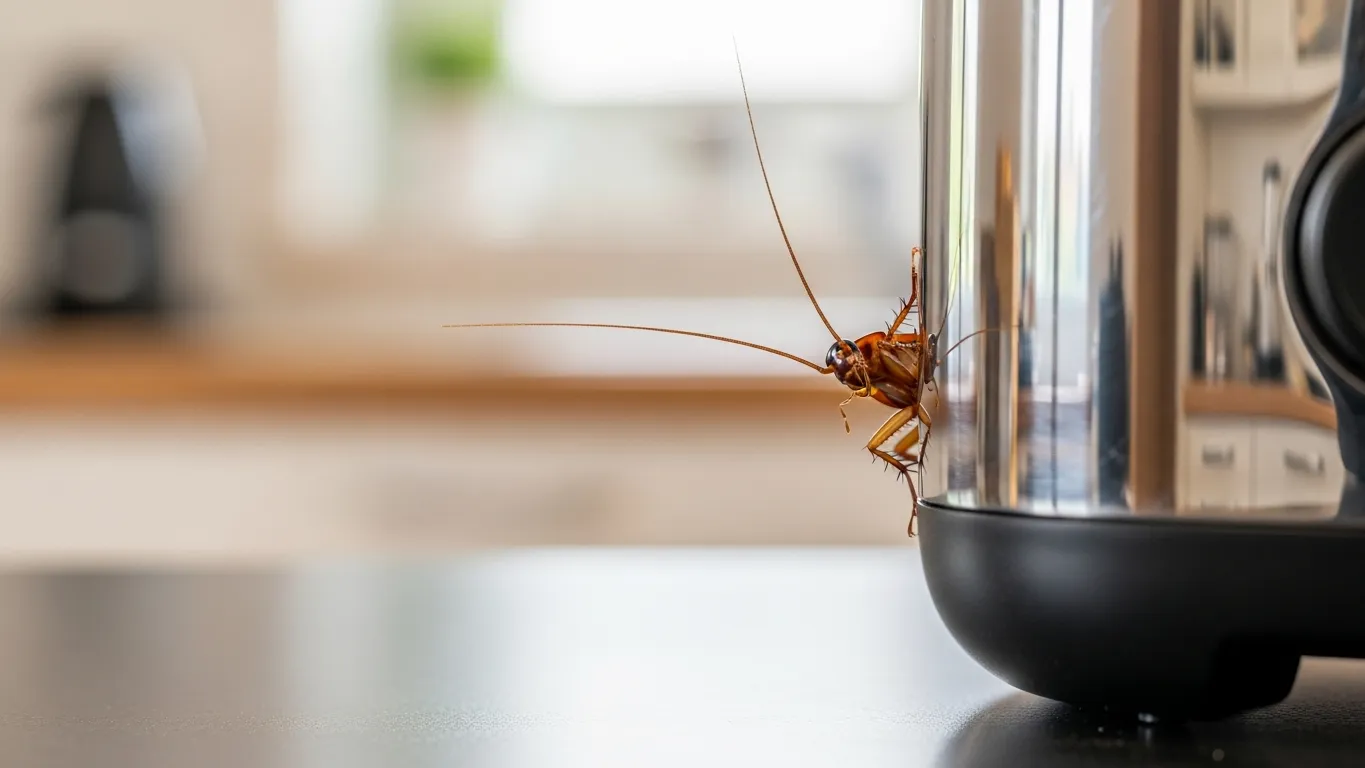
Finding a cockroach in your Phoenix home can be unsettling, but acting quickly and methodically makes a significant difference. Before you reach for a can of spray, take a step back and assess the situation. A single roach may be a scout that wandered in from outside. Multiple roaches, droppings in cabinets, or an oily smell in enclosed spaces suggest an established colony.
Your first moves should focus on the basics: identify where roaches are congregating, remove what is attracting them, and begin targeted treatment. Here is how to do that effectively.
Step 1: Cut Off Their Food and Water Supply
Cockroaches can survive a month without food, but only about a week without water. Eliminating moisture is your most powerful first move.
- Fix every dripping faucet and leaking pipe in the house, no matter how minor.
- Dry out sinks and bathtubs before going to bed. Cockroaches are most active at night and will drink from wet surfaces.
- Empty and dry pet water bowls overnight.
- Wipe down counters, stovetops, and kitchen surfaces every evening.
- Sweep floors daily, especially under the stove, refrigerator, and dishwasher where crumbs accumulate.
- Store all food — including pet food and opened pantry items — in airtight hard-sided containers.
- Take out garbage before bed and keep trash cans clean and tightly sealed.
These steps will not kill roaches that are already inside, but they create stress on the colony and make your treatments more effective because roaches are more likely to take bait when other food sources are scarce.
Step 2: Apply Targeted DIY Treatments
Not all DIY products work equally well. Here is what is worth your time and what is not:
Gel bait stations are the most effective consumer-grade option. Apply small dots of gel bait inside cabinet hinges, behind appliances, under sinks, and along baseboards where you have seen droppings or activity. Roaches eat the bait, return to the colony, and die. Other roaches that feed on the dead roach or its droppings are also poisoned — this secondary kill effect is what makes bait so much more effective than sprays.
Boric acid powder is another reliable tool when applied correctly. Dust a very thin layer in cracks, crevices, wall voids, and behind appliances. The key is thin — roaches will walk around visible piles of powder. It should look like a faint film, not a mound.
Diatomaceous earth (food grade) works through physical action rather than chemical, making it useful in areas where you prefer not to use pesticides. Apply it the same way as boric acid, in a barely visible dusting.
What to avoid: Aerosol spray pesticides and foggers. Sprays kill on contact but do not reach the colony. Foggers are worse — they scatter roaches into walls and new areas of the home, spreading the infestation while creating a false sense of progress.
Step 3: Seal Entry Points
While you are treating the interior, close the doors that roaches use to get in. Walk through your home with a tube of silicone caulk and address:
- Gaps around plumbing pipes under every sink
- Cracks along baseboards, particularly in kitchens and bathrooms
- Spaces around electrical outlets on exterior walls
- Worn or missing weatherstripping on doors
- Damaged window screens
- Any visible gaps in the foundation or where utility lines enter
In Phoenix, many cockroach species live outdoors and enter homes through these pathways. Sealing them reduces the number of new roaches coming in while you work on eliminating the ones already inside.
Step 4: Monitor Your Progress
After setting baits and sealing entry points, give your efforts two to three weeks. Place sticky glue traps in corners, under sinks, and near suspected activity areas. Check them every few days. You should see a gradual decline in the number of roaches caught. If numbers hold steady or increase, the infestation is more severe than surface-level treatments can handle.
When Is It Time to Call a Professional?
DIY methods work well for small, early-stage infestations. Call a professional when:
- You have been applying baits and maintaining sanitation for three weeks with no noticeable improvement.
- You see roaches during the daytime. Daytime sightings mean the colony is large enough that overcrowding is pushing roaches into the open.
- You find egg casings (oothecae) in multiple locations. Each casing contains dozens of eggs, indicating active breeding.
- The infestation is in wall voids, behind cabinetry, or in areas you cannot physically access.
- You are dealing with recurring infestations that come back every few months.
Professional pest control technicians have access to products, equipment, and application methods that are not available to consumers. They can treat inside wall voids, rotate active ingredients to prevent resistance, and apply insect growth regulators that stop the reproductive cycle. Uni-Tech Pest Control offers a free inspection to assess the scope of the problem and recommend the right treatment plan.
Ready to get rid of cockroaches? Call Uni-Tech Pest Control at (602) 962-8935 for a free inspection, or contact us online to schedule service.
Frequently Asked Questions
How long does it take to get rid of cockroaches with DIY methods?
A minor infestation may respond within two to three weeks of consistent baiting and sanitation. Larger or well-established colonies often require professional treatment to fully eliminate.
Will cockroaches go away on their own?
No. Cockroaches do not leave voluntarily. Without intervention, the population will grow. Even if conditions change, roaches already inside your home will continue breeding.
Can I get rid of cockroaches without chemicals?
You can reduce populations with diatomaceous earth, sticky traps, and rigorous sanitation, but chemical-free approaches are slow and rarely achieve full elimination on their own. They work best as part of an integrated approach.
Why do I keep seeing roaches after spraying?
Spray pesticides only kill roaches on direct contact and offer no residual colony-level control. Surviving roaches continue breeding behind walls. Gel baits and professional treatments target the entire colony, which is why they produce better long-term results.
Is one cockroach a sign of infestation?
Not necessarily. A single roach may have entered from outside, especially during warm weather. However, it is a signal to inspect for droppings, egg casings, and other signs. If you find additional evidence, treat it as an active infestation.