
How to Keep Scorpions Out of Your Phoenix Home
TLDR: Scorpion exclusion starts with sealing every gap, crack, and opening in your home’s exterior. Combine physical barriers with moisture control, smart landscaping, and reduced outdoor lighting to make your Phoenix property far less inviting to scorpions.
Killing scorpions that are already inside your house is a reaction. Keeping them from getting inside in the first place is a strategy. Phoenix homeowners who invest time in exclusion — physically blocking the paths scorpions use to enter a structure — see far fewer indoor encounters than those who rely on treatments alone. This guide walks through the specific techniques that work in Phoenix-area homes.
How Scorpions Get Into Phoenix Homes
Before you can seal scorpions out, you need to understand how they get in. Scorpions are flat-bodied arachnids capable of compressing themselves to fit through surprisingly small openings. An Arizona bark scorpion can slip through a gap as thin as 1/16 of an inch — roughly the thickness of a credit card.
Common entry points in Phoenix homes include:
- Gaps under exterior doors. Standard door sweeps wear down quickly in the Arizona heat and often leave space along the threshold.
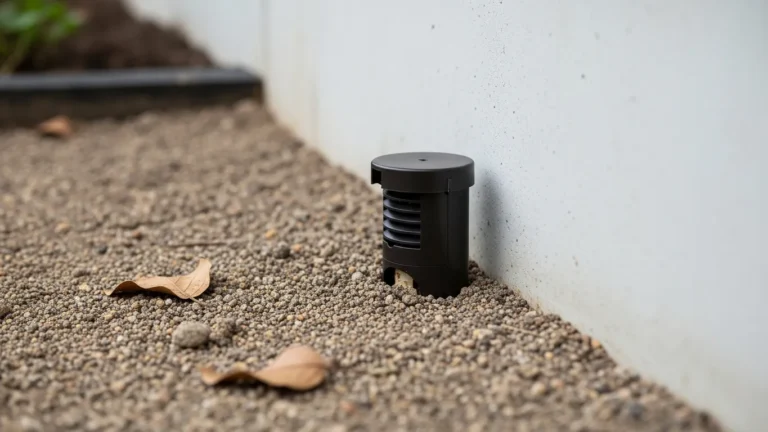
- Weep holes in block walls. These small openings at the base of block-construction walls are designed for moisture drainage but serve as highways for scorpions.
- Cracks in stucco and foundation. Thermal expansion, settling, and age create hairline fractures that scorpions exploit.
- Plumbing and electrical penetrations. Anywhere a pipe, wire, or conduit passes through an exterior wall is a potential entry point.
- Garage door seals. Warped or deteriorated seals along the bottom and sides of garage doors leave wide-open gaps.
- Torn or missing window screens. Scorpions climb walls and can enter through damaged screens on upper-story windows.
- Roof and eave gaps. Bark scorpions are excellent climbers and frequently access homes through gaps along the roofline, soffits, and eaves.
Sealing Your Home: A Room-by-Room Approach
Effective exclusion is methodical. Work your way around the entire exterior of your home, then address interior trouble spots.
Doors and Thresholds
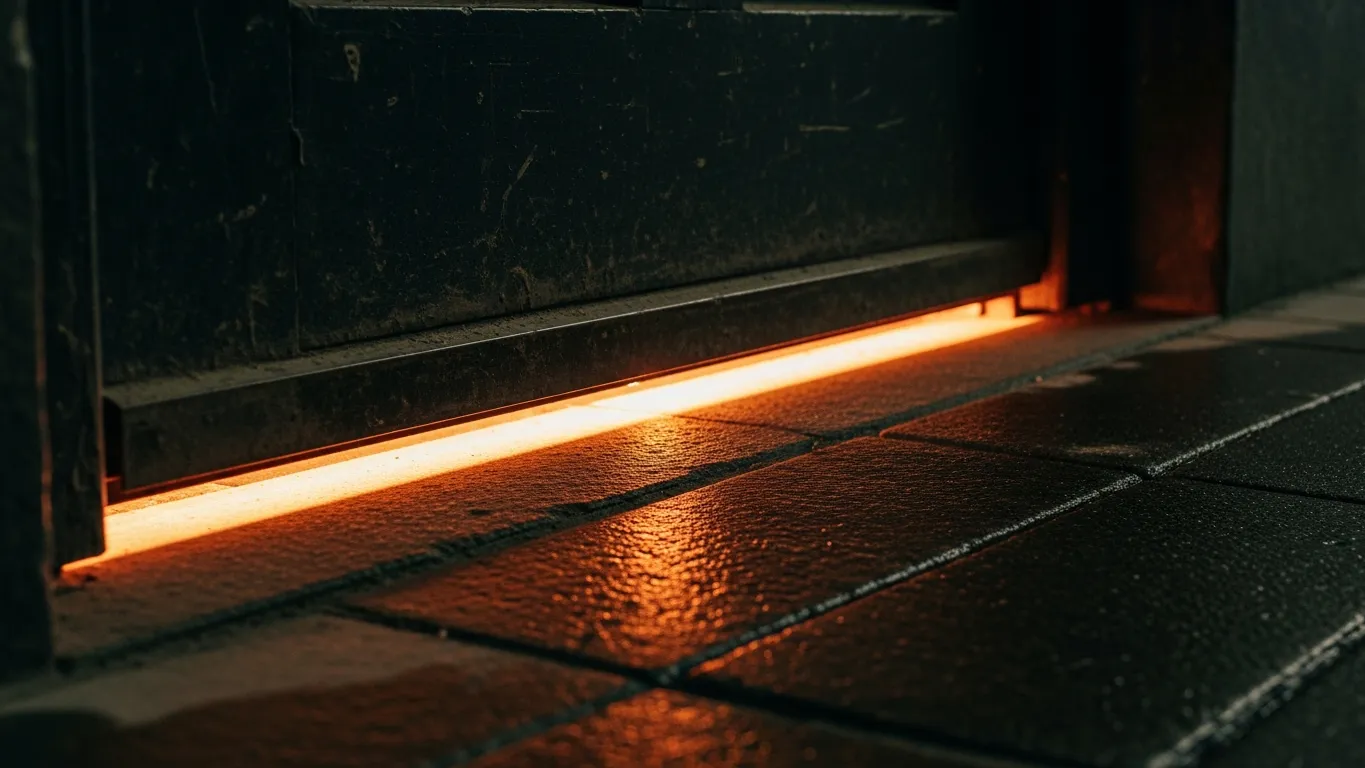
Replace worn door sweeps with heavy-duty rubber or brush-style sweeps rated for exterior use. Pay special attention to the corners where the sweep meets the door frame — scorpions target these small triangular gaps. For sliding glass doors, install a track seal or stuff foam weatherstripping into the channel gaps. Garage doors should have a snug-fitting bottom seal; replace it if you can see daylight underneath when the door is closed.
Windows
Inspect every window screen for tears, holes, or frames that do not sit flush. Repair or replace damaged screens promptly. Caulk around window frames on the exterior where the frame meets the stucco or siding. For windows you rarely open, consider applying a bead of clear silicone sealant along the interior track as an extra barrier.
Foundation and Walls
Walk the perimeter of your home and look for cracks in the foundation, stucco, or block. Fill hairline cracks with elastomeric caulk that can flex with temperature changes. For larger gaps, use expanding foam rated for exterior use, then cover with a matching sealant for a clean finish. Insert copper mesh or steel wool into weep holes — this allows airflow while blocking scorpion entry. Avoid sealing weep holes completely, as they serve an important drainage function.
Plumbing and Utility Penetrations
Anywhere a pipe, cable, or conduit enters or exits the house needs to be sealed. Use fire-rated expanding foam or caulk around these penetrations. Check both the interior and exterior sides, since gaps can exist on either end. Common spots include hose bibs, AC line sets, electrical conduit entries, and dryer vents.
The Roof and Eaves
Bark scorpions climb textured stucco walls with ease, so the roofline is not off-limits. Inspect soffits for gaps or damaged vent screens. Seal where the roof meets the wall, especially around gable ends. If you have a tile roof, be aware that the barrel shape of tiles creates gaps along the eaves — foam closure strips designed for tile roofs can block these openings.
Reducing What Attracts Scorpions to Your Yard
Exclusion keeps scorpions out of the house, but reducing yard-level attractants lowers the population pressure around your property.
Manage Moisture
Scorpions need water, and Phoenix properties that overwater landscaping or have irrigation leaks create oases in the desert. Fix dripping hose bibs, adjust sprinklers so water does not pool against the foundation, and make sure gutters drain away from the structure. Empty standing water from plant saucers, pet dishes left outdoors, and decorative fountains that are not in use.
Modify Landscaping
Keep shrubs, ground cover, and tree branches trimmed back at least two feet from the exterior walls. Remove rock piles, stacked pavers, and bark mulch near the foundation — these are prime daytime hiding spots. Replace organic mulch with decomposed granite or gravel in beds adjacent to the house.
Reduce Outdoor Lighting
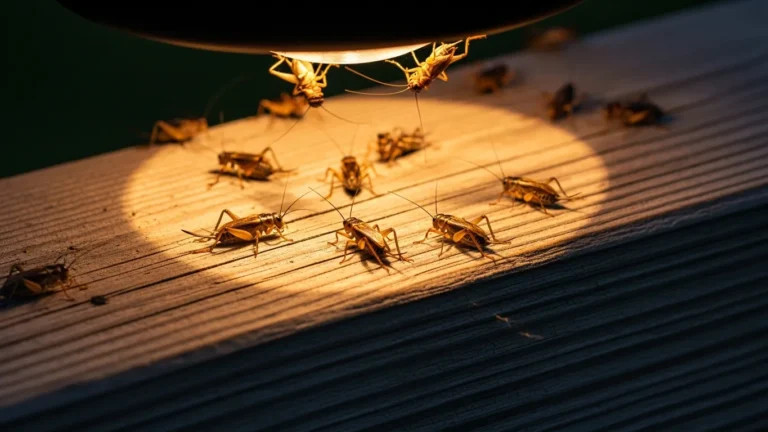
Outdoor lights attract crickets, beetles, moths, and other insects that scorpions feed on. Switch exterior bulbs to warm-yellow or amber LED lights, which attract far fewer insects. Alternatively, position lights away from the house so insects congregate at a distance rather than near your doors and windows.
Eliminate Secondary Pest Populations
Scorpions follow their food. If your property has a cricket, roach, or beetle problem, addressing that infestation removes a major incentive for scorpions to stick around. Regular pest control service that targets these prey insects is one of the most effective indirect measures against scorpions. Uni-Tech Pest Control provides scorpion exclusion assessments and recurring treatment plans for Phoenix homeowners.
Ready to get rid of scorpions? Call Uni-Tech Pest Control at (602) 962-8935 for a free inspection, or contact us online to schedule service.
Frequently Asked Questions
What is the best caulk to seal scorpions out of a Phoenix home?
Use an elastomeric or silicone-based exterior caulk that remains flexible in extreme heat. Standard latex caulk tends to crack and shrink in the Arizona sun, which reopens gaps over time. Look for products rated for temperatures above 120 degrees Fahrenheit.
Can scorpions climb walls and enter through the roof?
Yes. Arizona bark scorpions are skilled climbers and can scale textured stucco, block walls, and tree trunks. They frequently enter homes through gaps along the roofline, soffits, and eave vents, making upper-story exclusion just as important as ground-level sealing.
How do I check my home for scorpion entry points?
Conduct an inspection at night using a UV blacklight flashlight. Walk the exterior perimeter and look for scorpions on walls, near door frames, and around utility penetrations. Any spot where you see scorpions congregating likely has an entry point nearby. During the day, look for daylight visible through door sweeps, window frames, and garage seals from inside the house.