
Centipedes and Millipedes in Phoenix
TLDR: Centipedes and millipedes are common in the Phoenix area and often enter homes seeking moisture or shelter. Centipedes are fast-moving predators with venomous bites, while millipedes are slow-moving decomposers that are harmless. Knowing the difference helps you assess risk and take appropriate preventive action.
What Is the Difference Between Centipedes and Millipedes?
Despite their similar appearance as “many-legged creatures,” centipedes and millipedes are fundamentally different animals with different biology, behavior, and risk profiles.
Centipedes are predators. They have one pair of legs per body segment, a flattened body, and move quickly. Their first pair of legs is modified into venomous fangs (called forcipules) used to subdue prey. Centipedes hunt insects, spiders, and other small invertebrates.
Millipedes are decomposers. They have two pairs of legs per body segment, a rounded or cylindrical body, and move slowly. They feed on decaying plant material, leaf litter, and organic matter in soil. Millipedes have no venom and cannot bite.
A simple way to remember: centipedes are flat and fast; millipedes are round and slow.
How to Identify Common Species in Phoenix
Giant Desert Centipede (Scolopendra heros)
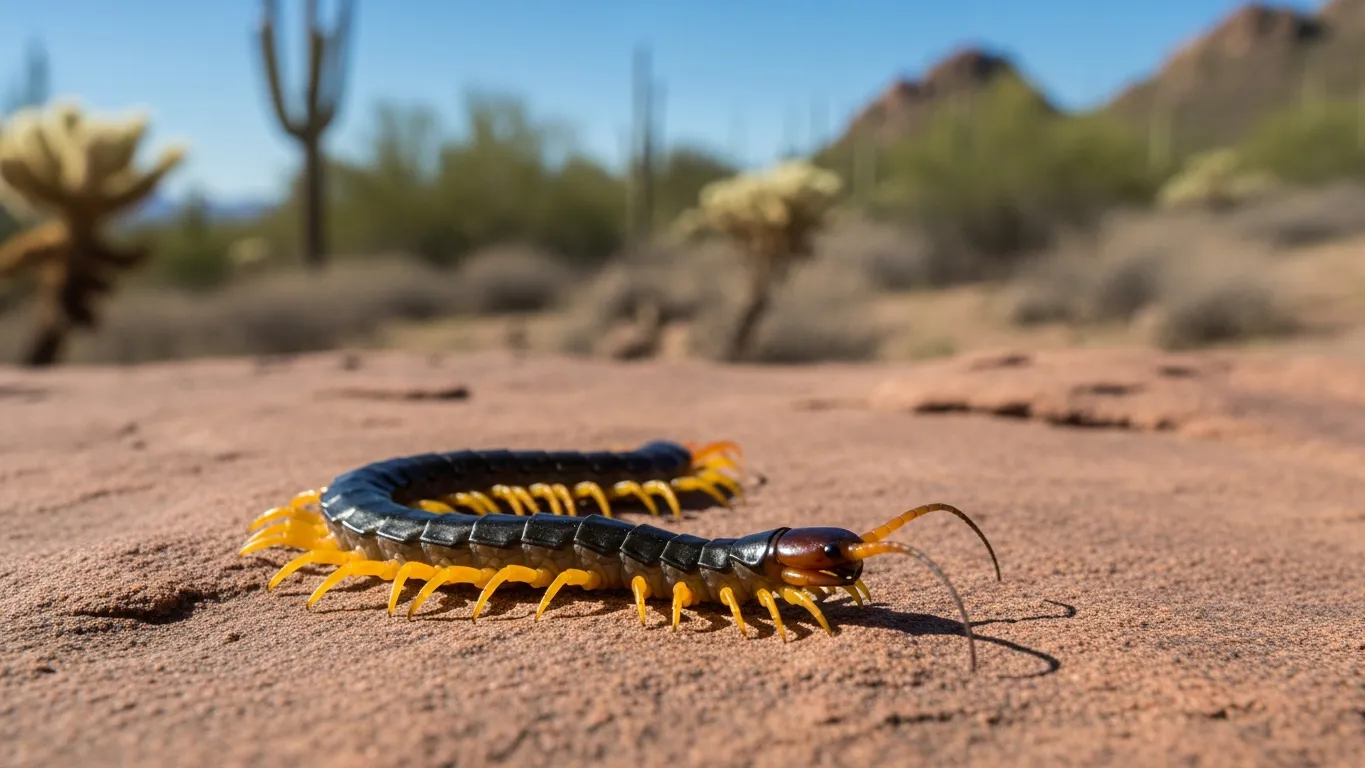
The giant desert centipede is the largest centipede in North America, reaching 15 to 20 cm (6 to 8 inches) in length. Its body is typically dark reddish-brown to maroon with yellow or orange legs, and its head and tail segments are often distinctly darker. It has 21 pairs of legs and prominent antennae.
This species is an aggressive, active predator that hunts at night. It feeds on insects, spiders, scorpions, small lizards, and even small rodents. It favors rocky desert terrain, washes, and areas with ground debris, but readily enters homes, particularly ground-level structures with gaps beneath doors or cracks in the foundation.
The giant desert centipede delivers a painful, venomous bite. While rarely medically serious for healthy adults, the bite causes intense, burning pain, swelling, and redness that can last several hours to days. Some individuals experience nausea or headache following a bite. People with allergies to insect or arthropod venom should seek medical attention.
Common House Centipede (Scutigera coleoptrata)
House centipedes are 25–35 mm long with very long, delicate legs that give them a distinctive, almost feathery appearance. Their body is yellowish-gray with three dark stripes running lengthwise. They move very fast (faster than most people expect) which contributes to the startled reactions they provoke.
House centipedes are actually beneficial indoor predators, feeding on cockroaches, silverfish, carpet beetle larvae, ants, and other household pests. They prefer damp, dark environments and are most commonly found in bathrooms, basements (in homes that have them), laundry rooms, and closets. They are active at night and tend to freeze when exposed to light.
House centipedes can bite if handled, but their small fangs rarely penetrate human skin. They are medically harmless.
Desert Millipede (Orthoporus ornatus)
The desert millipede (also called the Sonoran desert millipede) is a large species, reaching 10 to 15 cm (4 to 6 inches) in length. Its body is dark brown to black with a smooth, cylindrical profile and dozens of short legs that move in a distinctive wave-like pattern. It has short antennae and moves deliberately and slowly.
Desert millipedes are most visible during and after monsoon rains, when moisture drives them to the surface in large numbers. They feed on decaying plant material and are completely harmless to people, pets, plants, and structures. When threatened, they curl into a tight spiral and may secrete a mild defensive fluid that can irritate skin or stain hands, but they cannot bite or sting.
Why Do Centipedes and Millipedes Enter Phoenix Homes?
Both centipedes and millipedes seek out moisture, which is scarce in the Sonoran Desert. Indoor environments (particularly bathrooms, kitchens, laundry rooms, and garages) offer the humidity these arthropods need. Common entry points include:
- Gaps beneath exterior doors (especially without door sweeps)
- Cracks in the foundation or slab
- Openings around utility pipes and conduits
- Garage doors with poor seals
- Weep holes in block wall construction
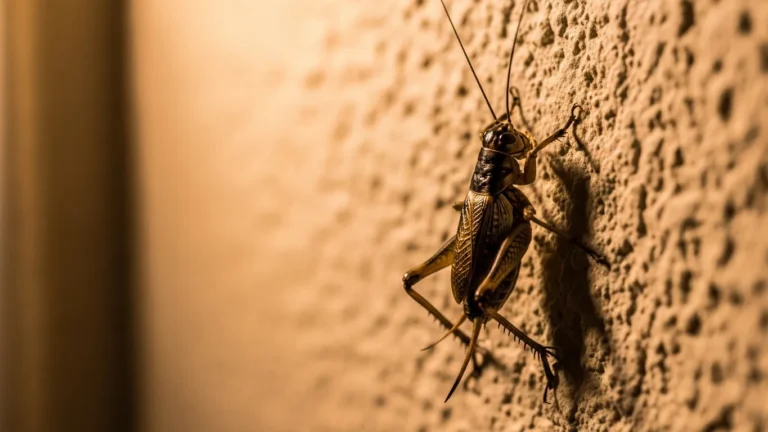
Centipedes are also drawn indoors by the presence of prey insects. A home with cockroach, cricket, or silverfish populations provides a food source that attracts centipedes. Millipedes typically enter accidentally, driven by monsoon flooding or seeking moisture during dry conditions.
How Can You Prevent Centipedes and Millipedes From Entering Your Home?
- Install or replace door sweeps on all exterior doors, including the garage.
- Seal cracks and gaps in the foundation, around windows, and where pipes or wires penetrate walls.
- Reduce indoor moisture by fixing leaking faucets, using exhaust fans in bathrooms, and ensuring proper ventilation.
- Eliminate prey insects. Reducing indoor populations of cockroaches, crickets, and silverfish removes the food source that draws centipedes inside.
- Clear exterior harborage. Move woodpiles, rock piles, leaf litter, and stored items away from the foundation. Keep landscaping trimmed and gravel beds clean.
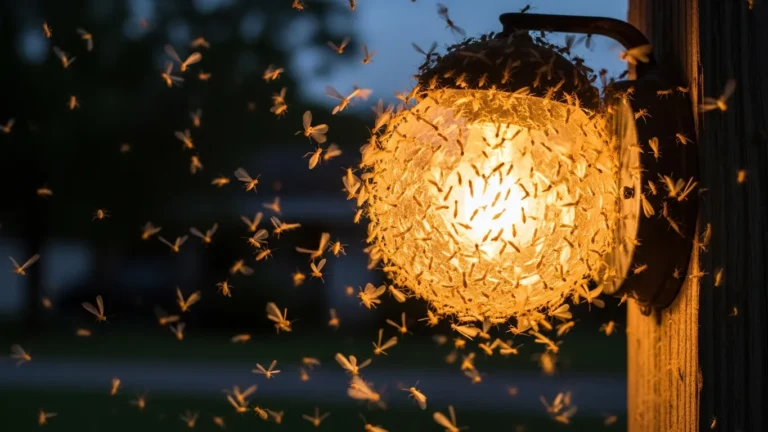
- Reduce exterior lighting near doors and windows, which attracts the insects that centipedes feed on.
If you’re regularly finding centipedes inside your home, it often indicates a broader pest issue, centipedes go where the food is. Uni-Tech Pest Control can help assess what’s drawing them in and address the underlying problem. Call 602-962-8935.
Frequently Asked Questions
Is the giant desert centipede dangerous?
The giant desert centipede delivers a painful, venomous bite, but it is rarely dangerous to healthy adults. Symptoms include intense localized pain, swelling, and redness lasting several hours. Severe allergic reactions are uncommon but possible. If you experience systemic symptoms (difficulty breathing, widespread swelling, or dizziness) after a centipede bite, seek medical attention.
Should I kill house centipedes I find indoors?
House centipedes are beneficial predators that feed on cockroaches, ants, silverfish, and other household pests. A single house centipede in your home is generally more helpful than harmful. However, if you’re seeing them frequently, it likely indicates a moisture issue or a population of prey insects that should be addressed.
Why do I see so many millipedes after rain?
Monsoon rains saturate the desert soil, forcing millipedes to the surface to avoid drowning. The combination of moisture and warm temperatures triggers mass millipede activity. Large numbers may appear on patios, driveways, and walkways after storms, and some inevitably find their way indoors through gaps and cracks. This behavior is temporary and subsides as conditions dry out.
Can millipedes damage my home or garden?
No. Millipedes feed exclusively on decaying organic matter and do not damage living plants, wood, fabrics, or any structural materials. They are ecologically beneficial, contributing to decomposition and nutrient cycling in soil. Their only impact indoors is their unwelcome presence, and the mild defensive secretion they release when disturbed, which can stain surfaces.