
Fleas in Phoenix: Biology and Prevention
TLDR: The cat flea is the most common flea species in Phoenix, infesting both cats and dogs. Understanding the flea life cycle (especially the pupal stage) is critical because immature fleas make up roughly 95% of any infestation. Prevention centers on consistent pet treatment and reducing habitat in and around the home.
What Do Fleas Look Like?
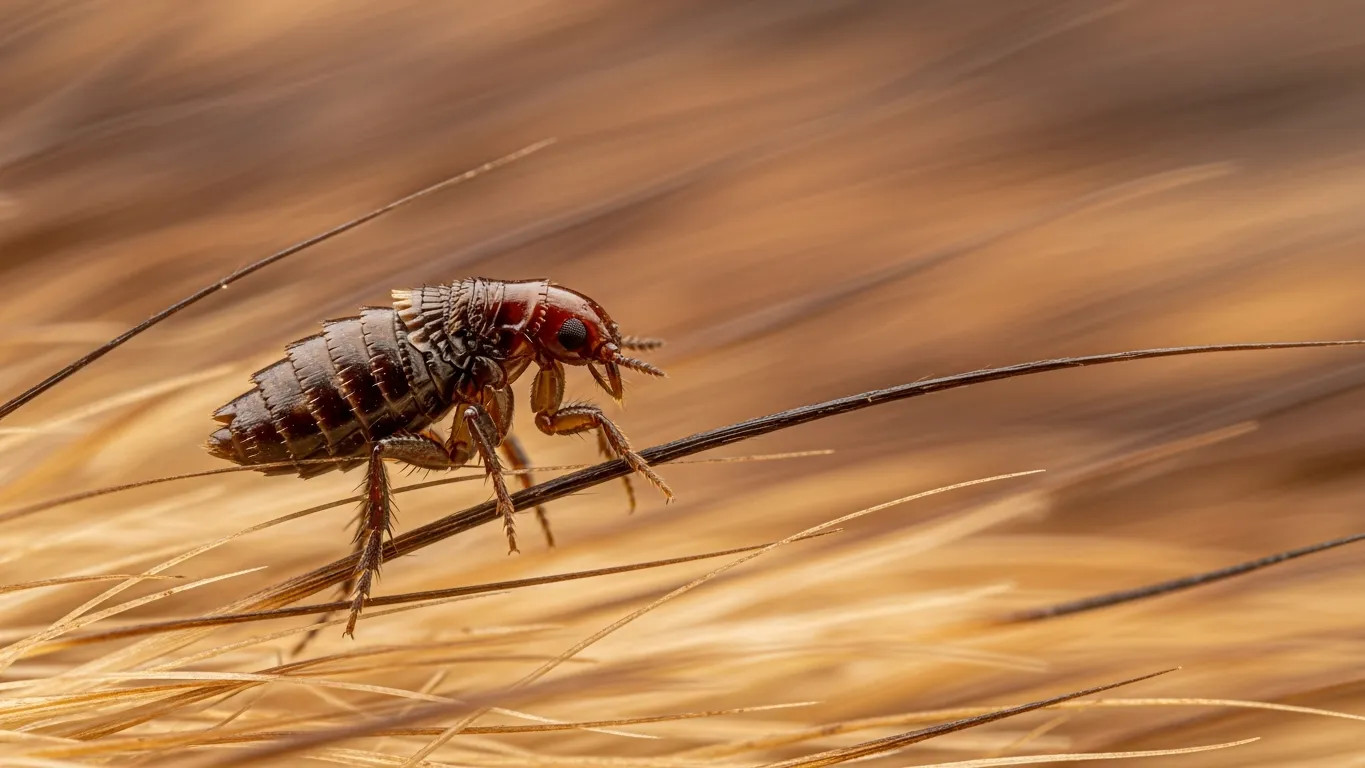
Adult fleas are tiny, wingless insects measuring about 1/16 to 1/8 inch long. They are dark reddish-brown, laterally flattened (narrow side to side), and covered in backward-facing spines that help them move through animal fur. Their powerful hind legs allow them to jump vertically up to seven inches and horizontally up to 13 inches, roughly 150 times their own body length.
To the naked eye, fleas appear as small, fast-moving dark specks on a pet’s skin or fur. A common way to confirm their presence is to look for flea dirt: tiny black or dark brown specks of digested blood in pet bedding or fur. When placed on a damp white paper towel, flea dirt dissolves into reddish-brown streaks, confirming it is blood rather than ordinary debris.
Which Flea Species Are Common in Phoenix?
The cat flea (Ctenocephalides felis) is by far the most prevalent flea species in the Phoenix metropolitan area, and across the entire United States. Despite its name, the cat flea infests dogs, cats, and a range of wildlife including rabbits, raccoons, and coyotes.
The dog flea (Ctenocephalides canis) exists in Arizona but is far less common than the cat flea. The two species look nearly identical to the naked eye and behave similarly. In practical terms, most residential flea infestations in the Phoenix area involve the cat flea regardless of whether the host is a dog or cat.
How Does the Flea Life Cycle Work?
The flea life cycle has four stages, and understanding each stage explains why infestations can be so persistent:
1. Egg: A single female flea can lay 20 to 50 eggs per day. Eggs are smooth, white, and about 0.5 mm long. They are laid on the host animal but fall off into carpets, bedding, furniture, and soil within hours.
2. Larva: Eggs hatch in one to ten days depending on temperature and humidity. Larvae are tiny, worm-like, and translucent. They avoid light and burrow deep into carpet fibers, cracks in flooring, or organic debris outdoors. They feed on flea dirt and organic matter for five to twenty days before spinning a cocoon.
3. Pupa: The pupal stage is the most resilient phase. Inside a sticky silk cocoon, the developing flea is protected from desiccation, many insecticides, and physical removal. The cocoon collects dust and debris, making it nearly invisible in carpet. A pupa can remain dormant for weeks or even several months, hatching only when it detects vibration, warmth, or carbon dioxide from a nearby host.
4. Adult: Once emerged, an adult flea must find a blood meal within a few days. Adults spend the majority of their life on the host, feeding, mating, and producing eggs. An adult flea lives approximately 60 to 100 days under favorable conditions.
The pupal stage is the primary reason flea infestations seem to “come back” after treatment. Pre-existing pupae in carpet and flooring are insulated from most interventions and can emerge days or weeks later.
How Do Flea Infestations Start?
Most residential flea infestations in Phoenix begin through one of these pathways:
- Pets pick up fleas outdoors: from dog parks, trails, boarding facilities, grooming salons, or encounters with wildlife in the yard.
- Wildlife introduces fleas to the property: Roof rats, ground squirrels, rabbits, and feral cats common in Phoenix neighborhoods can deposit flea eggs in yards and around structures.
- A new home or rental has dormant pupae: Pupae left behind by a previous pet owner can remain viable for months in carpet, hatching when new occupants move in and provide the vibration and CO2 signals that trigger emergence.
What Health Risks Do Fleas Pose?
Fleas are more than a nuisance. They present real health concerns for both pets and people:
- Flea allergy dermatitis (FAD): The most common skin disease in dogs and cats. A single flea bite can trigger intense itching, hair loss, and skin infection in sensitized animals.
- Tapeworm transmission: Fleas are an intermediate host for the Dipylidium caninum tapeworm. Pets (and occasionally children) can become infected by accidentally ingesting a flea carrying tapeworm larvae.
- Murine typhus: In parts of Arizona, fleas carried by rodents and feral cats can transmit Rickettsia typhi, the bacterium that causes murine typhus in humans.
- Anemia: Heavy flea infestations on small, young, or elderly animals can cause significant blood loss and anemia.
How to Prevent Fleas in Your Phoenix Home
Consistent, proactive prevention is far easier than eliminating an established infestation:
- Use veterinarian-recommended flea prevention on all pets year-round. Phoenix’s warm climate means fleas can reproduce in every season, not just spring and summer.
- Wash pet bedding weekly in hot water and dry on high heat to kill all life stages.
- Vacuum frequently: at least twice per week in areas where pets rest. Vacuuming removes eggs, larvae, and can stimulate pupae to emerge, making them vulnerable. Dispose of vacuum contents in a sealed bag immediately.
- Maintain your yard: Keep grass trimmed short, remove leaf litter and debris, and discourage wildlife harborage near the home.
- Inspect pets after outings: Check for flea dirt and live fleas after visits to dog parks, hiking trails, or boarding facilities.
- Address wildlife access: Seal gaps under sheds, block access to crawl spaces, and remove food sources that attract rodents and feral cats.
For persistent flea problems, Uni-Tech Pest Control can evaluate your property for wildlife-driven flea sources and environmental conditions that sustain infestations. Reach us at 602-962-8935.
Frequently Asked Questions
Can fleas live in a house without pets?
Yes. Flea pupae can survive dormant in carpet and flooring for several months without a host. When a person enters the space, the vibration and body heat can trigger mass emergence. This is common in vacant rental properties where a previous tenant had pets.
Do fleas survive Phoenix summers outdoors?
Fleas struggle in direct desert sun and low humidity, but they thrive in shaded, irrigated areas of residential yards, under bushes, in grass near sprinklers, and beneath patios. Outdoor survival in Phoenix depends entirely on access to shade and moisture.
Can humans get fleas?
Fleas do not infest humans the way they infest pets, but they will bite people. Flea bites on humans typically appear as small, red, itchy bumps clustered around the ankles and lower legs. In a heavy infestation, bites can occur anywhere on the body.
How long does it take to get rid of fleas completely?
Because of the protected pupal stage, eliminating a flea infestation typically takes two to four weeks of consistent effort, including pet treatment, thorough vacuuming, and laundering of bedding. Skipping any of these steps allows the cycle to continue.