
How to Rodent-Proof Your Phoenix Home
TLDR: Rodents can squeeze through surprisingly small gaps in your home’s exterior. Sealing cracks, reinforcing entry points with chew-proof materials, and maintaining your home’s structure are the most effective ways to keep rats and mice out of your Phoenix property.
Phoenix homeowners deal with rodent pressure year-round. Roof rats, pack rats, and house mice are all well-adapted to the desert environment, and they will exploit any weakness in your home’s exterior to get inside. The good news is that rodent-proofing — also called exclusion — is the single most effective long-term strategy for keeping these pests out.
This guide walks you through the structural vulnerabilities rodents target and explains exactly how to seal them.
Why Rodent Exclusion Matters in Phoenix
Rodents are not just a nuisance. Once inside, they gnaw on electrical wiring, chew through plumbing lines, tear up insulation, and contaminate surfaces with urine and droppings. The health risks are real: rodents in the Phoenix area are known carriers of hantavirus, salmonella, and rat-bite fever.
Traps and baits address rodents that are already inside. Exclusion stops them from getting in at all. In a metro area like Phoenix, where rodent populations thrive in irrigated neighborhoods and desert edges alike, a proactive exclusion approach saves homeowners significant money and stress over time.
How Rodents Get Into Your Home
Understanding how rodents enter is the first step toward keeping them out. Mice can fit through an opening the size of a dime. Rats need only a quarter-sized gap. Common entry points in Phoenix homes include:
- Gaps around utility lines: Plumbing pipes, electrical conduits, and HVAC lines that penetrate exterior walls often leave small gaps that rodents exploit.
- Roof-to-wall junctions: Roof rats are excellent climbers. Where the roofline meets the exterior wall, there are frequently small openings, especially on tile roofs common in the Valley.
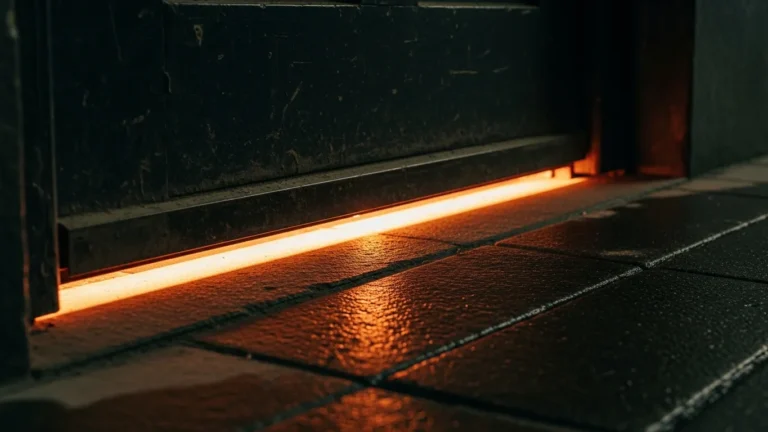
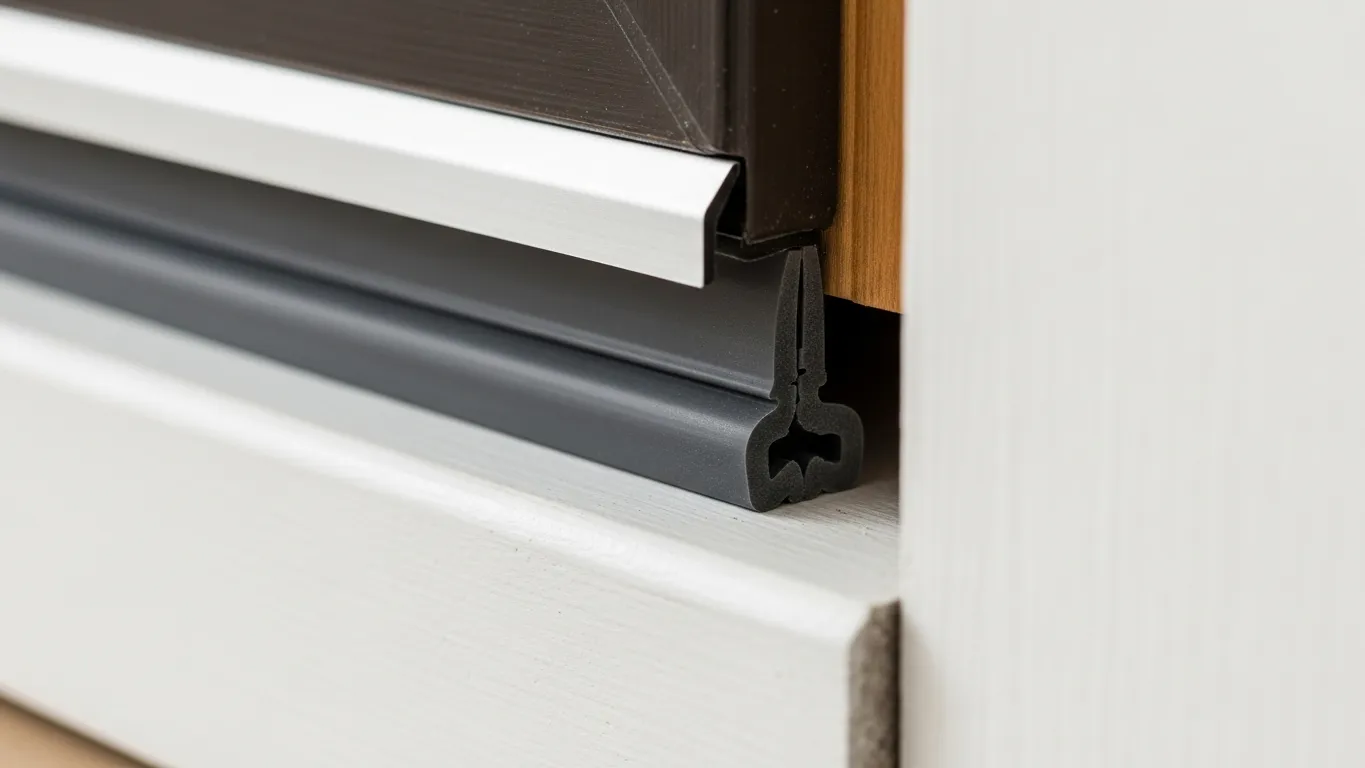
- Garage door seals: Worn or damaged weather stripping along the bottom of garage doors is one of the most common rodent entry points.
- Foundation vents and weep holes: Older Phoenix homes may have unscreened foundation vents. Weep holes in block walls are another overlooked access point.
- Damaged soffit and fascia: Deteriorating wood or gaps in soffit panels give roof rats direct access to your attic.
Step-by-Step: How to Rodent-Proof Your Phoenix Home
Inspect the Exterior Thoroughly
Walk the full perimeter of your home and examine every seam, joint, and penetration point. Pay special attention to where different building materials meet, such as stucco-to-wood transitions or concrete-to-framing joints. Use a flashlight to check under eaves, behind downspouts, and around AC units. Look for gnaw marks, grease rubs (dark smudges from rodent fur), and droppings near potential entry points.
Seal Cracks and Gaps With the Right Materials
Not all sealants work against rodents. They can chew through standard caulk, spray foam, rubber, and plastic in minutes. Use these chew-resistant materials instead:
- Steel wool or copper mesh: Stuff into gaps before sealing over with caulk. Rodents cannot chew through metal fibers.
- Metal flashing: Use galvanized sheet metal to cover larger openings or reinforce vulnerable areas like soffit gaps.
- Hardware cloth (1/4-inch): Screen over vents, weep holes, and foundation openings. Standard window screen is too flimsy.
- Concrete or morite patch: Fill cracks in foundations and block walls with a material rodents cannot gnaw through.
Avoid relying on expanding foam alone. It may slow rodents down temporarily, but it will not stop a determined rat.
Reinforce the Roof and Attic
Roof rats are the most common structural invaders in the Phoenix metro area. Secure your roofline by:
- Replacing damaged or missing roof tiles promptly.
- Sealing gaps where the roof meets the exterior wall using metal flashing.
- Screening attic vents with 1/4-inch hardware cloth.
- Checking around swamp cooler connections and roof-mounted HVAC units for gaps.
For landscaping and yard management strategies that complement structural exclusion — including tree trimming, debris removal, and food source management — see our rodent prevention tips.
Address the Garage
Garages are a favorite staging area for rodents. Make sure the weather seal along the bottom of your garage door makes full contact with the ground when closed. Replace it if it is cracked, flattened, or torn. Also check the side seals and the joint where the garage ceiling meets the wall — rodents frequently use this gap to access the attic.
Maintain Door and Window Seals
Install door sweeps on all exterior doors. Replace weatherstripping that has deteriorated. Repair or replace torn window screens, and make sure sliding door tracks do not leave a gap when the door is closed.
Warning Signs That Rodents Have Already Gotten In
Even with good exclusion, it helps to know the signs of an active problem:
- Droppings: Small, dark pellets near walls, in cabinets, or in the garage. Rat droppings are roughly the size of a grain of rice; mouse droppings are smaller.
- Gnaw marks: Fresh chew marks on baseboards, door frames, food packaging, or wiring.
- Scratching sounds: Especially at night, coming from walls, ceilings, or the attic.
- Grease marks: Dark smudges along walls or around entry points where rodents repeatedly travel.
- Nesting material: Shredded paper, insulation, or fabric gathered in hidden areas.
If you notice any of these signs, exclusion alone will not solve the problem. You need active removal first, followed by sealing to prevent re-entry.
Ready to get rid of rodents? Call Uni-Tech Pest Control at (602) 962-8935 for a free inspection, or contact us online to schedule service.
Frequently Asked Questions
What size gap can a rodent fit through?
Mice can squeeze through openings as small as a dime — roughly 1/4 inch. Rats need a slightly larger gap, about the diameter of a quarter. This is why thorough sealing with chew-proof materials is essential for every crack, gap, and penetration in your home’s exterior.
Is expanding foam enough to keep rodents out?
No. Rodents can chew through expanding foam, caulk, rubber, and most plastic materials. Effective rodent-proofing requires metal-based barriers such as steel wool, copper mesh, hardware cloth, or galvanized flashing. You can use foam or caulk as a finishing layer over metal mesh, but never as the sole barrier.
When should I call a professional for rodent-proofing?
If you are finding signs of active rodent activity — droppings, gnaw marks, or sounds in your walls — it is best to call a pest control professional like Uni-Tech Pest Control before sealing entry points. Sealing rodents inside your home creates bigger problems. A professional can remove the existing population, identify every entry point, and perform exclusion work that lasts.