
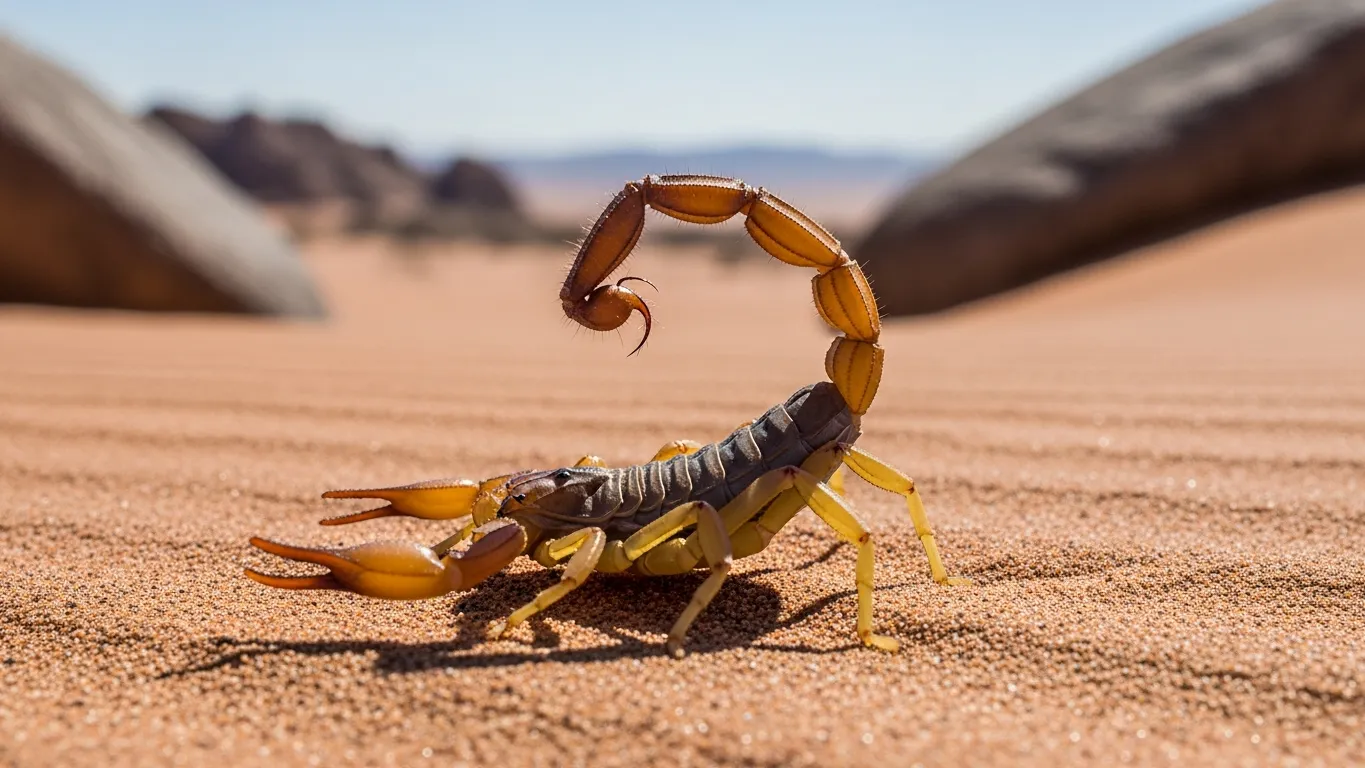
Scorpion Species in Phoenix: What You Need to Know
TLDR: Phoenix is home to several scorpion species, but the Arizona bark scorpion is the one that matters most. It is the only scorpion in the United States with venom potent enough to cause serious medical symptoms. Knowing how to identify it and understanding scorpion behavior helps you stay safe.
More than 45 scorpion species live in Arizona, but only a handful regularly show up in Phoenix neighborhoods. Understanding which species you are dealing with changes everything — from how concerned you should be about a sting to how you approach prevention. This guide covers the species Phoenix residents are most likely to encounter, with a detailed look at the Arizona bark scorpion and why it demands special attention.
Common Scorpion Species in the Phoenix Area
Arizona Bark Scorpion (Centruroides sculpturatus)
The bark scorpion is the most medically significant scorpion in the United States and the species Phoenix homeowners encounter most often indoors. Adults measure roughly two to three inches long and have a slender, tan to light-brown body. The easiest identification trait is posture: bark scorpions rest with their tails curled to the side, lying flat against the surface, rather than arched upward like other species.
What makes bark scorpions unique among Arizona scorpions is their climbing ability. They scale stucco walls, trees, block fences, and even ceilings with ease. This behavior is why they turn up in attics, on upper-story walls, and inside light fixtures — places other ground-dwelling scorpion species rarely reach. Bark scorpions are also the only local species that congregate in groups, especially during cooler months when they seek shared shelter for warmth.
Arizona Stripe-Tailed Scorpion (Paravaejovis spinigerus)
The stripe-tailed scorpion is one of the most common scorpions in the Sonoran Desert. It grows two to three inches long and has a stocky, tan body with faint dark striping along the ridges of its tail segments. Unlike the bark scorpion, the stripe-tailed scorpion is a burrower that prefers to hide under rocks, in sandy soil, and beneath ground-level debris. It rarely climbs and is less commonly found inside homes. Its sting is painful but not considered medically dangerous to healthy adults.
Giant Desert Hairy Scorpion (Hadrurus arizonensis)
Arizona’s largest scorpion species can reach five to seven inches in length. It has a yellow-tan body with a dark brown or black dorsal surface and fine sensory hairs visible on its pincers and underside. Despite its intimidating size, the giant hairy scorpion’s venom is relatively mild — comparable to a bee sting for most people. This species is an aggressive burrower that digs deep into desert soil. It appears in Phoenix yards, especially in areas near undeveloped desert, but infrequently enters homes.
Yellow Ground Scorpion (Vaejovis confusus)
Often confused with juvenile bark scorpions because of its similar size and coloring, the yellow ground scorpion is smaller and stockier, typically around one to two inches long. It has a yellow-tan body and thicker pincers relative to its size. This species is a ground dweller that hides under rocks, landscaping materials, and yard debris. Its sting is mild, roughly equivalent to a wasp sting.
Scorpion Behavior in the Phoenix Climate
All scorpion species in the Phoenix area are nocturnal. They spend daylight hours tucked into cool, dark harborage spots and emerge after sunset to hunt. Their diet consists primarily of crickets, roaches, beetles, spiders, and other small invertebrates. Scorpions detect prey through vibrations rather than sight, using sensitive hairs on their bodies to feel movement nearby.
Phoenix’s warm season — roughly April through October — is when scorpion activity peaks. Rising nighttime temperatures drive scorpions out of their shelters to hunt and mate. Pregnant female scorpions give live birth, and a single female can carry 25 to 35 offspring on her back for the first few weeks of their lives. This reproductive efficiency is one reason scorpion populations can build quickly on a single property.
During cooler months, scorpions become less active but do not hibernate. Bark scorpions in particular seek shared shelter in wall voids, attics, and storage areas, sometimes grouping in clusters of 20 or more. This is why Phoenix homeowners occasionally discover multiple scorpions at once when moving stored items in garages or closets.
One distinctive trait of all scorpions is fluorescence under ultraviolet light. A compound in their exoskeleton causes them to glow a bright blue-green under a UV blacklight, making nighttime detection straightforward. A handheld blacklight is one of the most useful tools a Phoenix homeowner can own for identifying scorpion activity around the property.
How Dangerous Are Scorpion Stings?
Most scorpion stings in the Phoenix area are painful but not life-threatening. Stripe-tailed, giant hairy, and yellow ground scorpion stings typically produce localized pain, redness, and swelling that resolve within a few hours — similar to a bee or wasp sting.
The Arizona bark scorpion is the exception. Its venom is a neurotoxin that affects the nervous system. Symptoms from a bark scorpion sting can include intense, radiating pain at the sting site, numbness and tingling that spreads to the affected limb, muscle twitching or spasms, restlessness and agitation, difficulty breathing, nausea and vomiting, and in rare cases, seizure-like activity. Children, elderly adults, and individuals with compromised immune systems face the highest risk of severe reactions. Anyone stung by a bark scorpion should seek medical attention promptly.
Antivenom (Anascorp) is available at most Phoenix-area hospitals and has significantly reduced the severity of bark scorpion envenomation outcomes. Fatalities from bark scorpion stings are very rare with access to modern medical care, but stings still require professional evaluation. If you are finding scorpions in or around your home, Uni-Tech Pest Control offers free inspections and species identification for Phoenix-area properties.
Ready to get rid of scorpions? Call Uni-Tech Pest Control at (602) 962-8935 for a free inspection, or contact us online to schedule service.
Frequently Asked Questions
How do I tell a bark scorpion from other Phoenix scorpions?
Look at the tail posture and body shape. Bark scorpions rest with their tails curled flat to one side rather than arched over their backs. They have slender bodies and thin pincers compared to the stockier build of stripe-tailed or yellow ground scorpions. If you see a scorpion climbing a wall or ceiling, it is almost certainly a bark scorpion.
Are baby scorpions more venomous than adults?
No. Baby scorpions carry the same type of venom as adults of their species. However, they are harder to see, which increases the chance of an accidental sting. A baby bark scorpion’s sting is just as medically significant as an adult’s.
Do scorpions travel in pairs or groups?
Most scorpion species are solitary. The notable exception is the Arizona bark scorpion, which aggregates in groups during cooler months. Finding one bark scorpion in your home often means others are nearby, sheltering in the same wall void or storage area.