

When to Call an Ant Exterminator in Phoenix
TLDR: If ants keep returning after cleaning and DIY treatments, the colony is likely hidden inside walls or underground where consumer products cannot reach. Recurring trails, carpenter ant damage, fire ant mounds, and colony budding are clear signs it is time to call a professional.
Why Ants Keep Coming Back No Matter What You Do
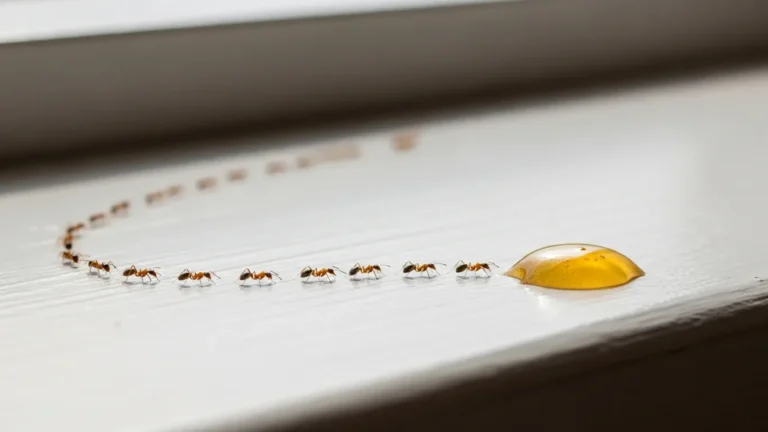
You wipe down the counters, mop the floors, seal the cereal boxes, and set out traps from the hardware store. Two days later, a fresh line of ants marches across the same stretch of countertop. It is one of the most frustrating pest scenarios Phoenix homeowners face, and it is very common.
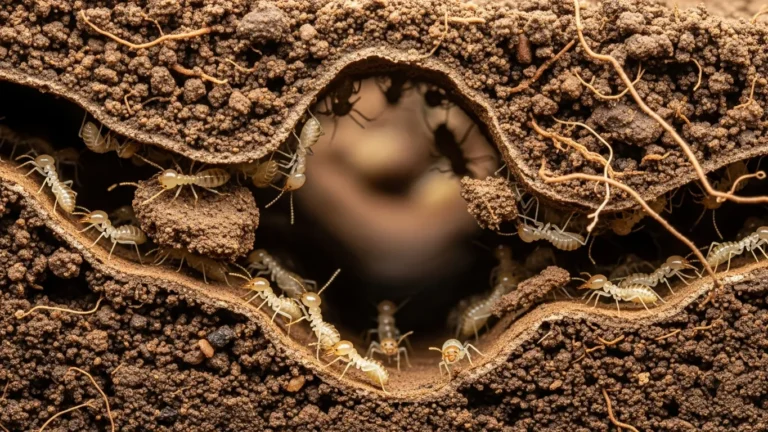
The reason is simple: the ants you see are scouts and foragers, and they represent a small fraction of the colony. The queen, brood, and thousands of worker ants remain hidden underground, inside wall voids, or beneath slabs. Killing foragers does not slow egg production. The colony replaces lost workers and sends out new scouts the very next day.
Consumer-grade sprays can actually make things worse. Most over-the-counter products contain repellents that ants detect and avoid. Some species, particularly odorous house ants, respond to the disturbance by “budding”, splitting the colony and relocating queens to new nest sites. What started as one colony behind the dishwasher becomes three colonies in different parts of the house.
Five Signs You Need a Professional Ant Exterminator
While minor ant sightings near an exterior door can sometimes be resolved with basic prevention, the following situations call for professional intervention:
1. Ants Return Within Days of Cleaning or Spraying
If you have thoroughly cleaned, removed food sources, and applied consumer products but ants reappear within a few days, the colony is well-established nearby. Scouts will continue probing your home regardless of surface cleanliness because scouting is a relentless, built-in behavior, they do not know there is nothing to find until they check.
2. You See Ants in Multiple Rooms
Ant activity in a single location near an exterior wall may involve a simple trailing path. Activity in multiple rooms (especially interior rooms like bathrooms or bedrooms far from exterior doors) suggests the colony is nesting inside the structure itself, within wall voids, under subfloors, or around plumbing.
3. You Find Sawdust-Like Material Near Wood
Fine wood shavings (called frass) near baseboards, window frames, or door headers are a strong indicator of carpenter ants. These ants excavate galleries inside wood for nesting, and the frass they push out is often the only visible evidence. Carpenter ant damage is progressive and can compromise structural integrity if left untreated.
4. Fire Ant Mounds Appear in Your Yard
Fire ant colonies build dome-shaped soil mounds that can appear overnight, especially after rain. Attempting to treat mounds with boiling water, gasoline, or store-bought granules rarely eliminates the colony, it often just causes the ants to relocate a few feet away and rebuild. Fire ants sting aggressively when disturbed, creating a genuine safety hazard for family members and pets.
5. The Problem Gets Worse After DIY Treatment
This is the clearest sign that amateur treatment is backfiring. If ant activity increases or spreads to new areas after you applied a spray or bait, the colony is likely budding. Multi-queen species like odorous house ants and Argentine ants are especially prone to this response. At this point, professional intervention is essential to avoid a much larger infestation.
What Happens When You Call an Exterminator
The process is straightforward. After your initial call, a technician visits your home for a thorough inspection, typically at no cost. The inspection covers the interior and exterior, identifies the ant species, locates nest sites and trailing paths, and pinpoints conditions attracting ants (moisture, food sources, entry points).
The technician then explains the recommended treatment plan, including which products will be used and where. Treatment is usually completed the same day as the inspection. Most homeowners notice a significant reduction in ant activity within one to two weeks, with full colony elimination shortly after. Uni-Tech Pest Control provides free ant inspections for Phoenix homeowners, call to get started.
Ready to get rid of ants? Call Uni-Tech Pest Control at (602) 962-8935 for a free inspection, or contact us online to schedule service.
Frequently Asked Questions
Can I handle ants myself or should I always call a professional?
Minor ant activity near an exterior door can often be managed by sealing the entry point and removing the food source. If ants persist after basic prevention, appear in multiple areas, or if you are dealing with carpenter ants or fire ants, professional treatment is recommended.
Will the exterminator need to spray inside my house?
Not always. Many ant infestations are effectively treated from the exterior, with targeted interior baiting only where activity is present. The goal is to intercept ants at the perimeter before they enter, minimizing the need for interior chemical application.
How quickly can a professional resolve an ant problem?
Most ant infestations show significant improvement within seven to fourteen days of treatment. Complex situations (such as carpenter ants nesting deep inside walls or multi-queen supercolonies) may require follow-up treatments over several weeks.
Is it worth paying for ongoing pest control for ants?
In Phoenix, yes. The year-round warm climate means new ant colonies are always establishing nearby. Quarterly or bimonthly service maintains a protective barrier that prevents recolonization, saving you the cost and frustration of repeated one-time treatments.
What should I do while waiting for the exterminator?
Avoid spraying consumer products, which can interfere with professional treatments. Instead, clean up food debris, fix any leaks, and note where you are seeing ant activity so you can report it to the technician.