
Why DIY Cockroach Control Fails (and What Works)
TLDR: DIY cockroach control fails because it only reaches a fraction of the colony, uses products roaches quickly develop resistance to, and does not address the root causes that sustain the infestation. Professional pest control works because it combines targeted colony-level treatments, resistance management, and systematic exclusion that consumer products cannot replicate.
The Problem With DIY Cockroach Treatments
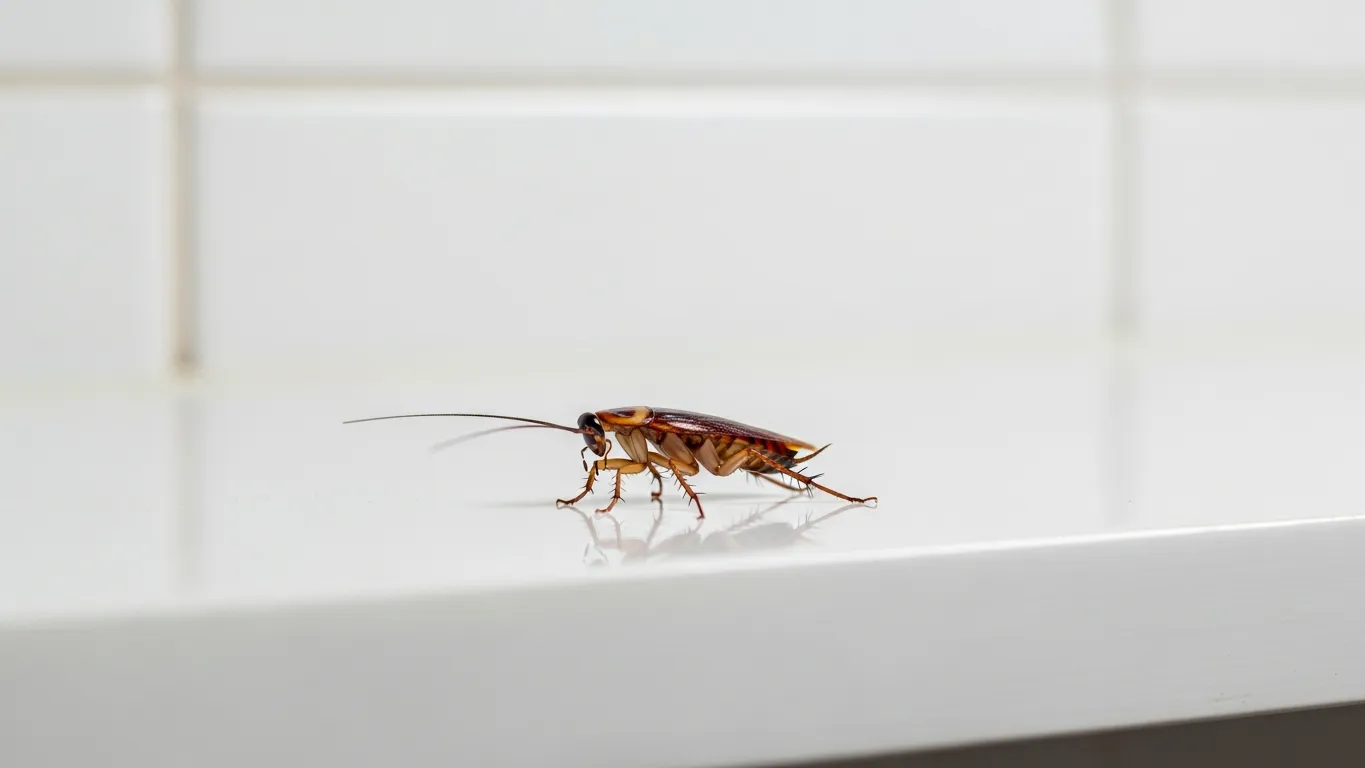
You have cleaned the kitchen, sealed the cracks, set out traps, and sprayed every baseboard in the house. And yet the cockroaches keep coming back. If this sounds familiar, you are not alone. Cockroaches are among the most persistent household pests in the Phoenix area, and there are specific biological and behavioral reasons why home treatments so often fall short.
Understanding why DIY fails is the first step toward solving the problem for real.
Reason 1: Cockroaches Develop Chemical Resistance
When a cockroach is exposed to a pesticide and survives, it can shed its exoskeleton and grow a new one with increased tolerance to that chemical. This adaptation is not hypothetical — it is well-documented in scientific literature. Worse, resistant roaches pass that tolerance to their offspring.
Over-the-counter sprays rely on a narrow range of active ingredients. After repeated applications, the surviving cockroaches in your home are the ones genetically best suited to resist those specific chemicals. Each generation becomes harder to kill with the same product. Professional pest control companies manage this by rotating between multiple chemical classes and using products with active ingredients not available in retail stores.
Reason 2: Sprays and Foggers Miss the Colony
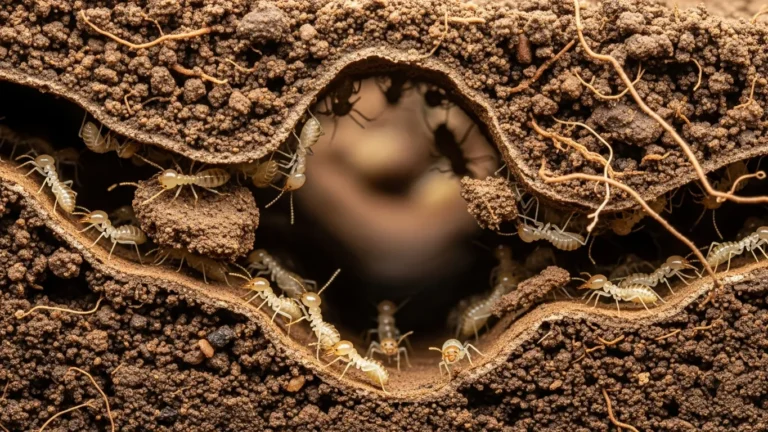
The roaches you see represent a small fraction of the total population. The majority live in wall voids, inside appliance housings, behind cabinetry, and in other spaces that surface sprays cannot reach. Aerosol foggers are particularly counterproductive — the chemical cloud drives roaches deeper into walls and scattered to new areas of the home, spreading the infestation rather than reducing it.
Effective treatment requires getting product into harborage sites. Professional technicians use gel baits, injectable dusts, and targeted application tools designed to deliver treatment directly into cracks, voids, and crevices where the colony actually lives.
Reason 3: Cockroaches Learn to Avoid Baits
Cockroaches are not mindless insects. They communicate through pheromones and observe each other’s behavior. Research has shown that cockroach populations can develop behavioral resistance to baits — meaning they learn to avoid a bait that once attracted them. This is separate from chemical resistance and just as frustrating.
When one generation of roaches avoids a specific bait formulation, the colony effectively becomes immune to that product. Professional pest control addresses this by using multiple bait matrices, rotating formulations, and combining baits with other treatment methods so roaches cannot simply avoid every threat.
Reason 4: You Are Treating Symptoms, Not Causes
Killing the roaches you can see does nothing to address why they are in your home. Cockroach infestations persist because of underlying conditions:
- Undetected moisture problems. A slow leak under the dishwasher, condensation on pipes in the wall, or poor bathroom ventilation creates the humid environment cockroaches need.
- Hidden entry points. You may have sealed the obvious cracks, but cockroaches can enter through gaps around plumbing penetrations inside walls, through shared utility conduits, and from gaps you cannot see without removing access panels.
- Exterior attractants. Dense landscaping against the foundation, clogged gutters creating moisture buildup, leaf litter, and organic debris around the perimeter all support cockroach populations right outside your walls. The more roaches living around your home, the more will find their way inside.
Professional inspections systematically identify these contributing factors. Treatment plans address both the active infestation and the conditions that created it.
Reason 5: Cockroaches Eat Almost Anything
Part of what makes sanitation-only approaches insufficient is the cockroach diet. These insects eat crumbs, grease film, soap residue, wallpaper paste, cardboard, pet hair, glue, and decaying organic matter of any kind. Even a meticulously clean home retains enough of these residues — in appliance crevices, behind cabinet trim, inside drain pipes — to sustain a colony.
Cleaning absolutely helps. It reduces the population growth rate and makes baits more attractive by eliminating competing food sources. But cleaning alone almost never eliminates an established infestation. It needs to be combined with direct treatment.
Reason 6: The Reproductive Math Works Against You
A single German cockroach female produces 30 to 40 eggs per egg casing and can generate a new casing every six weeks. American cockroaches produce fewer eggs per casing but live for over a year. In both cases, any treatment that kills 90 percent of the colony still leaves enough breeding adults to rebuild the population within weeks.
Effective elimination requires breaking the reproductive cycle completely. Insect growth regulators (IGRs) — products available only to licensed professionals — prevent nymphs from reaching reproductive maturity and interfere with egg development. Without IGRs, you are in a constant race against cockroach reproduction, and the roaches will win.
What Professional Pest Control Does Differently
Professional cockroach control is not just a stronger version of what you can buy at the hardware store. It is a fundamentally different approach:
- Species-specific treatment. Different cockroach species require different products, bait placements, and application methods. Professionals identify the species before treating.
- Colony-targeted application. Products are placed inside harborage sites using specialized equipment, not broadcast across open surfaces.
- Resistance management. Technicians rotate active ingredients and combine chemical classes to prevent resistance buildup.
- Growth regulation. IGRs break the breeding cycle, ensuring the colony cannot recover between visits.
- Systematic follow-up. Scheduled return visits catch newly hatched nymphs and verify that the infestation is declining — not just temporarily suppressed.
- Root cause resolution. Inspections identify moisture issues, entry points, and exterior conditions that contribute to the problem. Treatment addresses these factors alongside the active colony.
Uni-Tech Pest Control solves cockroach problems in Phoenix homes every day. Our technicians combine proven treatment protocols with ongoing monitoring to deliver results that last. If your DIY efforts have stalled, contact us for a free assessment. We will identify exactly why the roaches keep coming back and put a plan in place to stop them.
Ready to get rid of cockroaches? Call Uni-Tech Pest Control at (602) 962-8935 for a free inspection, or contact us online to schedule service.
Frequently Asked Questions
Why do roaches come back after I spray?
Spray pesticides kill on contact but do not reach the colony inside walls and hidden spaces. Surviving roaches continue breeding, and the population rebounds within days to weeks. Sprays also create repellent zones that push roaches to new areas of your home.
Is professional pest control worth the cost for cockroaches?
Yes, particularly for established infestations. The cumulative cost of ineffective DIY products often exceeds the cost of professional treatment, and the problem persists longer. Professional treatment resolves the infestation faster and more completely.
How do I know if my cockroach problem is too big for DIY?
If you are still seeing roaches after two to three weeks of consistent baiting and sanitation, if you see roaches during the daytime, or if you find egg casings in multiple areas, the infestation has likely grown beyond what consumer products can handle.
Do professionals use the same products I can buy at the store?
No. Licensed pest control companies have access to professional-grade formulations, insect growth regulators, and application equipment that are not sold in retail stores. These products are more concentrated, more targeted, and designed for resistance management.
Will a professional need to spray inside my whole house?
Not typically. Modern cockroach treatment relies on targeted placement of baits and dusts in specific locations rather than blanket spraying. Your technician will explain exactly what will be applied and where before beginning any treatment.