
What Professional Gopher Control Looks Like
TLDR: Professional gopher control is the most effective way to eliminate active gopher infestations in Phoenix yards. Trained technicians locate tunnel systems, apply targeted removal methods, and implement exclusion strategies that DIY approaches cannot match.
Gopher damage in a Phoenix yard can escalate from a few soil mounds to a destroyed landscape in a matter of weeks. While many homeowners attempt to handle gophers on their own, these burrowing rodents are notoriously difficult to remove without professional knowledge and equipment. Understanding how professionals approach gopher control, what methods they use, and why expert intervention outperforms DIY efforts will help you make the right decision when gophers threaten your property.
Recognizing the Signs of a Gopher Problem
Before calling for professional help, you need to confirm that gophers — not moles, ground squirrels, or other burrowing animals — are responsible for the damage in your yard.
Gopher Mounds
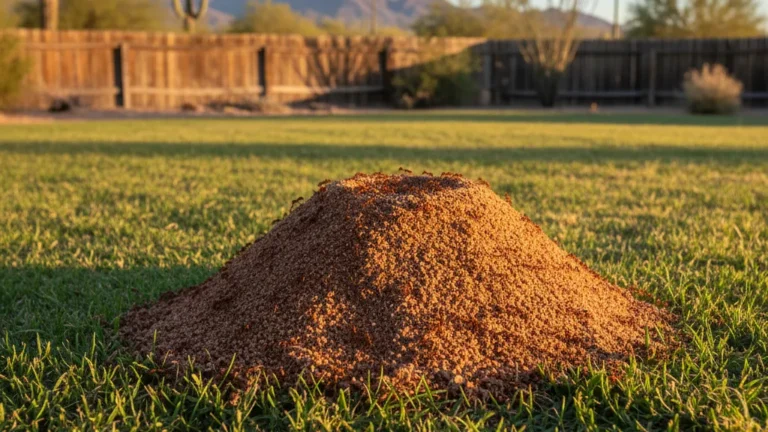
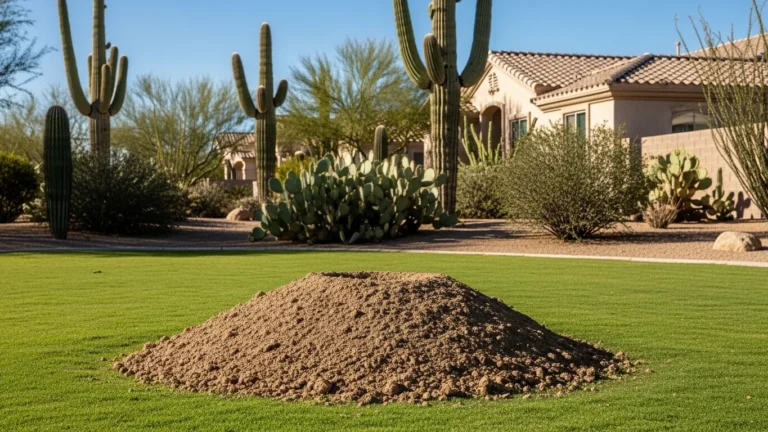
Gopher mounds are the most recognizable sign of activity. They appear as fan-shaped or crescent-shaped piles of loose, finely textured soil, typically 12 to 18 inches in diameter. Fresh mounds contain moist soil, while older mounds dry out and blend into the surrounding landscape. Gophers push soil from their tunnels to the surface, creating a plug of packed earth at the tunnel entrance.
Mole mounds, by contrast, are conical and volcano-shaped. Ground squirrel holes are open and lack the soil plug that characterizes gopher mounds. Knowing the difference ensures you get the right treatment.
Lawn and Garden Damage
Visible damage patterns also help confirm gopher activity:
- Surface ridges or raised lines running through the lawn indicate shallow feeding tunnels
- Plants that wilt suddenly or disappear entirely from the root level suggest gophers are pulling them underground
- Soft, uneven ground that gives way underfoot indicates collapsing deeper tunnels
- Damaged irrigation lines revealed by unexpected wet spots or dry zones in your watering coverage
If you observe two or more of these signs, you almost certainly have an active gopher on your property.
Why DIY Gopher Control Often Fails
Homeowners understandably try to solve gopher problems on their own before calling a professional. Unfortunately, most DIY methods produce poor results for several reasons.
Ultrasonic and Vibration Devices
Battery-powered stakes that emit vibrations or ultrasonic sound are widely sold as gopher deterrents. Research from university extension programs consistently shows these devices are ineffective. Gophers quickly habituate to the vibrations and resume normal activity, often tunneling directly past the devices.
Flooding Tunnels
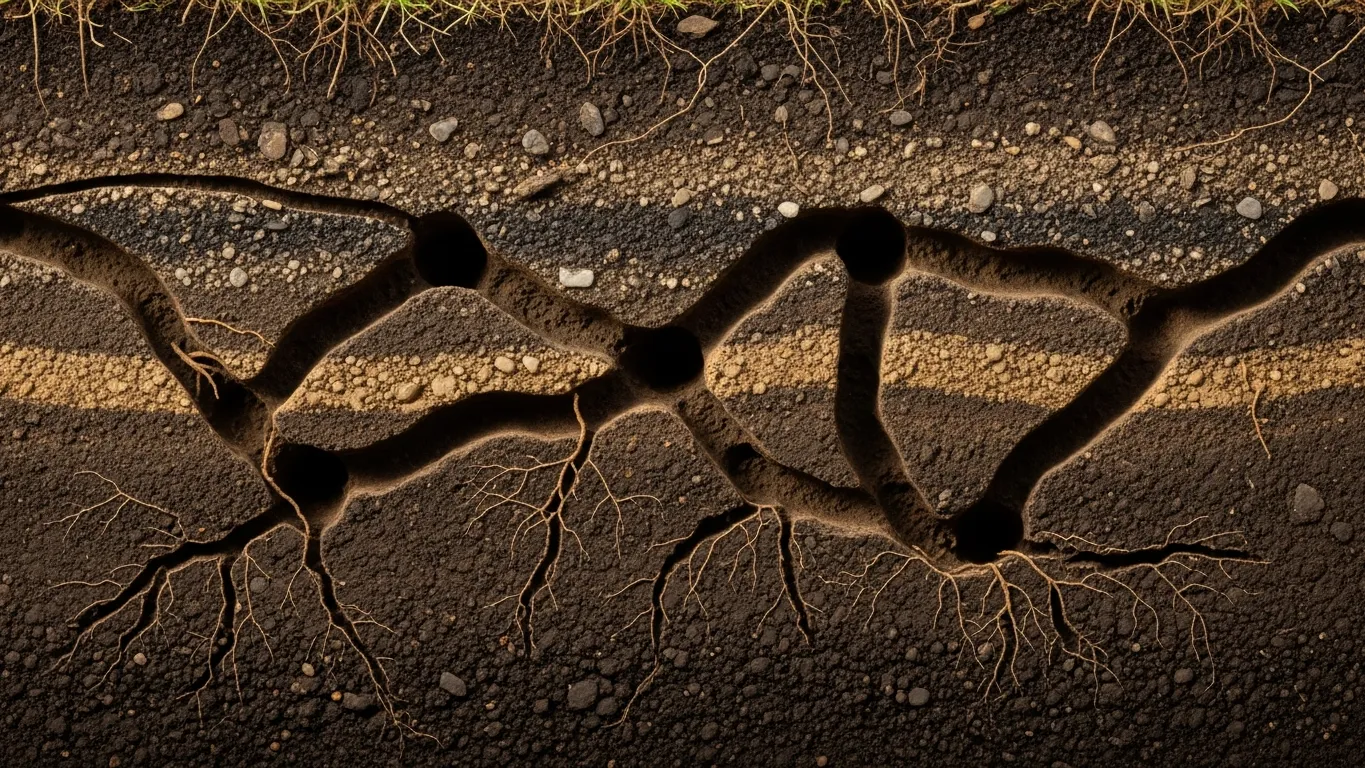
Running a garden hose into a gopher tunnel rarely works. Gophers build complex, multi-level tunnel systems with drainage features. Water follows the path of least resistance and drains away before reaching the gopher. In Phoenix, where water conservation matters, this method also wastes a significant resource.
Home Remedies and Repellents
Chewing gum, castor oil, mothballs, cayenne pepper, and other home remedies have no scientific support as effective gopher control methods. Gophers simply tunnel around treated areas or plug off sections of their tunnel system to avoid irritants.
Incorrect Trap Placement
Trapping can be effective when done correctly, but it requires precise knowledge of gopher tunnel systems. Homeowners who set traps in the wrong location, at the wrong depth, or in inactive tunnel segments waste time and money. Gophers are cautious and will avoid improperly placed traps, sometimes even backfilling over them.
How Professionals Approach Gopher Control
Professional gopher control follows a systematic process that addresses the entire infestation rather than targeting individual animals haphazardly.
Thorough Property Assessment
A trained technician begins by surveying your entire property to map active tunnel systems. This involves probing the soil near mounds to locate main tunnels, which are typically 6 to 12 inches below the surface. Identifying the main tunnel versus lateral feeding tunnels is critical because control methods are most effective when applied to high-traffic areas of the tunnel network.
Targeted Control Methods
Professional technicians use a combination of methods based on the specific conditions of your property:
- Professional-grade trapping: Technicians place traps in confirmed active main tunnels at the correct depth and orientation. They check and adjust traps regularly to maximize effectiveness.
- Baiting programs: Licensed professionals have access to rodenticide baits that are applied directly into active tunnel systems using specialized probes. This method targets gophers underground without exposing pets, children, or non-target wildlife to the product.
- Carbon dioxide or carbon monoxide treatment: Some professionals use pressurized gas systems that fill tunnel networks. This method is effective for extensive tunnel systems and works quickly.
Monitoring and Follow-Up
Gopher control is rarely a one-visit job. After initial treatment, technicians return to check for signs of continued activity. New mound formation indicates surviving gophers or new arrivals from adjacent properties. Follow-up visits allow the technician to address any remaining activity and verify that the infestation has been fully resolved.
Protecting Your Yard After Gopher Removal
Eliminating existing gophers is only half the solution. Without preventive measures, new gophers from neighboring properties can recolonize your yard. Professional technicians recommend combining removal with long-term exclusion:
- Underground fencing made of galvanized hardware cloth buried at least 24 inches deep around garden beds and high-value landscape areas
- Gravel barriers around irrigation lines, utility cables, and foundation perimeters to deter tunneling
- Gopher baskets made of wire mesh installed around the root balls of new trees and shrubs at planting time
- Regular monitoring of your yard for fresh mound activity so any new gophers are caught before they establish extensive tunnel systems
Combining professional removal with these preventive strategies provides the strongest long-term protection for your Phoenix landscape.
The Value of Professional Expertise
Gopher control requires specific knowledge that goes beyond general pest management. Understanding tunnel architecture, soil conditions, species behavior, and the proper application of control products makes the difference between eliminating the problem and prolonging it. A professional technician also knows how to work efficiently, minimizing disruption to your yard while maximizing results.
Uni-Tech Pest Control provides expert gopher control for residential properties throughout the Phoenix metro area. Our technicians assess your property, implement targeted removal methods, and develop a prevention plan designed for your landscape. We back our services with a guarantee and offer free initial assessments. Contact Uni-Tech Pest Control to schedule an appointment.
Ready to get rid of gophers? Call Uni-Tech Pest Control at (602) 962-8935 for a free inspection, or contact us online to schedule service.
Frequently Asked Questions
How long does professional gopher control take?
Most gopher infestations require two to four weeks of active treatment, including initial placement of traps or bait and one or more follow-up visits to confirm elimination. The timeline depends on the size of the tunnel system and the number of gophers present. Your technician will provide a realistic timeline after the initial assessment.
Is professional gopher control safe for pets and children?
Yes. Professional technicians apply control products directly into underground tunnel systems, minimizing surface exposure. Traps are set inside tunnels where pets and children cannot access them. Your technician will explain the specific methods being used and any precautions you should take during the treatment period.
How do I keep gophers from coming back after treatment?
Ongoing prevention is essential. Install underground barriers around gardens and high-value plants, use gravel to protect irrigation lines, and monitor your yard regularly for fresh mound activity. Scheduling periodic inspections with your pest control provider ensures any new activity is caught and addressed quickly before damage accumulates.