
TLDR: Phoenix homes face year-round ant pressure from species like carpenter ants, fire ants, and odorous house ants. Effective control starts with identifying the species, sealing entry points, eliminating food and moisture, and taking the right immediate steps when ants first appear.
Why Ant Problems Are So Common in Phoenix
Phoenix’s warm, arid climate creates ideal conditions for dozens of ant species. While most of Arizona’s roughly 300 native ant species stay outdoors, several have adapted to forage inside homes. Ants enter through gaps as small as 1/16 of an inch, drawn by moisture, food residue, or shelter from extreme heat. Once a scout ant finds a resource, it lays a chemical trail that recruits hundreds of nestmates within hours.
Because colonies can number in the tens of thousands (and some species maintain multiple queens) a handful of ants on a kitchen counter almost always signals a much larger population nearby.
Common Ant Species in Phoenix Homes
Identifying the species you are dealing with is the first step toward effective control. Different ants require different treatment strategies.
Odorous house ants are small, dark brown to black, and release a rotten-coconut smell when crushed. They nest in wall voids, under floors, and near moisture sources. Colonies often have multiple queens, making them difficult to eliminate with surface sprays alone.
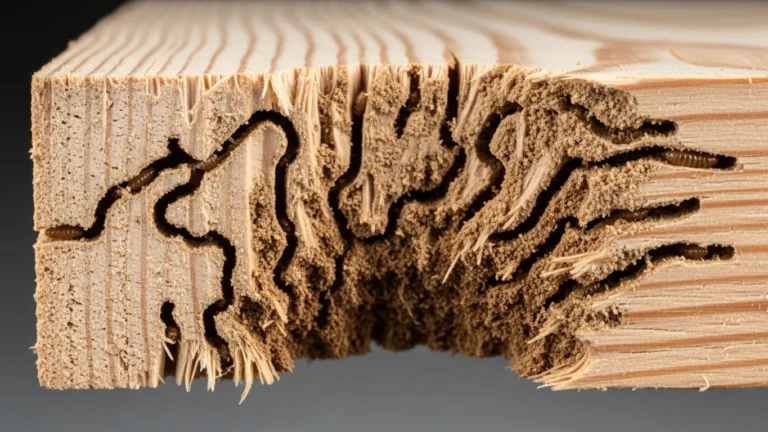
Carpenter ants are among the largest ants in Arizona, ranging from 1/4 to 1/2 inch long. They excavate galleries inside wood, not for food, but for nesting. Over time, carpenter ant damage can compromise structural framing, window sills, and door frames.
Fire ants build dome-shaped soil mounds in yards and open areas. They are aggressive, sting in swarms, and inject venom that causes intense burning pain. Fire ants are a genuine health risk, especially for children, pets, and anyone with venom allergies. For detailed fire ant information, see our fire ant control guide.
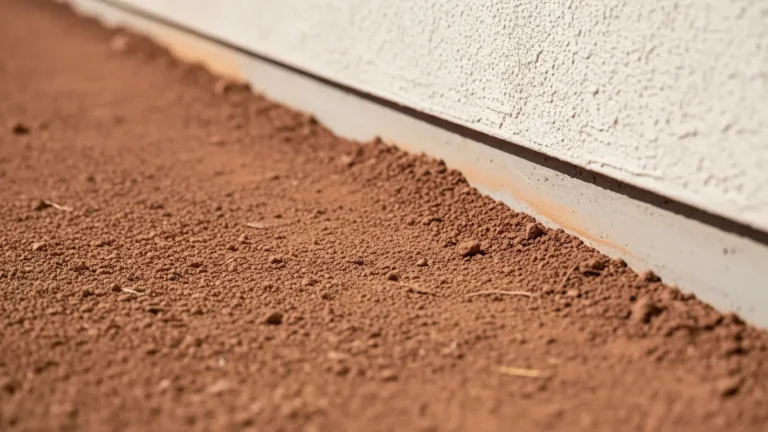
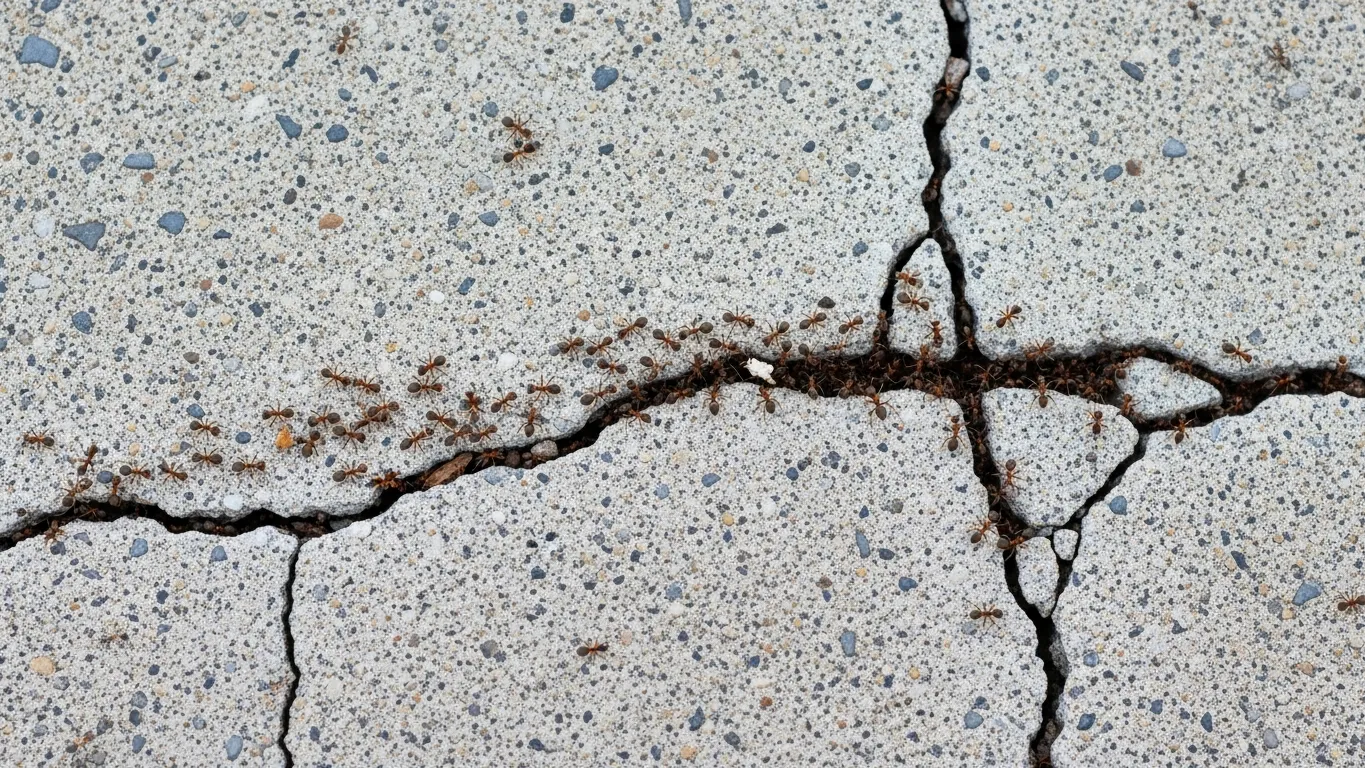
Pavement ants are small, brownish ants that nest under slabs, driveways, and foundations. They push up small piles of sand along cracks and are among the most frequent indoor invaders in the Valley.
Forelius ants (also called sidewalk ants) are tiny, fast-moving, and very common outdoors in Phoenix. They rarely bite or sting but can trail indoors in large numbers.
The Ant Life Cycle and Why It Matters for Control
Understanding ant biology helps explain why spraying visible ants rarely solves the problem. An ant colony progresses through four life stages: egg, larva, pupa, and adult. The queen (sometimes multiple queens) produces eggs continuously. Workers you see foraging represent only a fraction of the colony, which stays hidden underground or inside walls.
Killing foragers without reaching the queen and brood means the colony simply replaces its losses. Effective ant control must target the nest itself, either through baits that workers carry back to the colony or through direct nest treatment by a professional.
Five Proven Ant Prevention Methods
Prevention is always more cost-effective than treatment. These steps significantly reduce ant pressure in and around your Phoenix home:
- Seal entry points. Inspect the exterior foundation, window frames, door sweeps, and utility penetrations. Caulk cracks, replace worn weatherstripping, and repair damaged screens. Pay special attention to where plumbing and electrical lines enter the home.
- Eliminate food sources. Wipe down counters and stovetops after every meal. Store pantry items in airtight containers. Never leave pet food bowls out overnight. Clean under appliances where crumbs accumulate.
- Reduce moisture. Fix dripping faucets, leaking pipes, and condensation around air conditioning units. Ants in the desert are drawn to water just as strongly as they are drawn to food.
- Manage outdoor attractants. Keep tree branches and shrubs trimmed back from the house. Move firewood piles away from the foundation. Clean up fallen fruit from citrus trees promptly.
- Maintain a perimeter barrier. A professional-grade exterior treatment creates a chemical barrier that deters ants before they enter. This is far more effective than indoor sprays and keeps products out of living spaces.
What to Do When Ants First Appear
When you notice the first trail of ants, your response in the next 24 to 48 hours determines whether the situation stays manageable or escalates:
Do not spray them. This is counterintuitive, but spraying visible ants with a repellent product can cause the colony to bud, splitting into multiple satellite nests that spread the problem. Many over-the-counter products contain repellents that trigger this exact response.
Follow the trail. Watch where ants are coming from and where they are going. Trace the trail in both directions to identify the entry point and the food or water source they have found.
Remove the attractant. Clean up whatever the ants are targeting. Wipe down the trail path with soapy water to disrupt the pheromone signal. Store the food source in a sealed container.
Seal the entry point. If you can identify where ants are entering, seal it with caulk or a temporary barrier like petroleum jelly while you arrange a more permanent fix.
Set the right bait. If you use a consumer bait, match it to the species. Sugar-based baits work for odorous house ants and pavement ants. Protein-based baits work better for carpenter ants. Place baits near the trail (not on it) so ants find and carry the bait back to the colony.
Monitor for 48 hours. If the trail stops and does not return, your quick response may have been enough. If ants reappear in the same location or show up elsewhere, the colony is well-established and needs professional attention.
When Prevention Is Not Enough
If ants persist despite consistent prevention and your best DIY response, the colony is likely nesting inside your walls or under your foundation where consumer products cannot reach. See our guide on when to call an ant exterminator for the five warning signs, or learn what professional ant treatment involves.
At Uni-Tech Pest Control, we offer ongoing pest management plans that include scheduled treatments throughout the year, keeping ant populations suppressed before they become a problem.
Ready to get rid of ants? Call Uni-Tech Pest Control at (602) 962-8935 for a free inspection, or contact us online to schedule service.
Frequently Asked Questions
How long does it take to get rid of an ant infestation?
Minor infestations may resolve within one to two weeks after professional treatment. Larger or multi-colony infestations (especially carpenter ants nesting inside walls) can take several weeks of targeted baiting and follow-up treatments to fully eliminate.
Are ant control products safe for pets and children?
Professional-grade products are applied in targeted areas and at concentrations designed to minimize risk to people and pets. Your technician will advise you on any precautions, such as keeping pets away from treated areas until products have dried.
Why do ants keep coming back after I spray them?
Surface sprays kill foragers but do not reach the queen or brood inside the nest. The colony quickly replaces lost workers. Non-repellent products and baits are more effective because ants unknowingly carry them back to the colony.
Do ants cause structural damage to homes?
Carpenter ants can cause significant structural damage over time by excavating wood for nesting. Other species do not damage structures but can contaminate food and surfaces with bacteria such as E. coli and Salmonella.
When are ants most active in Phoenix?
Ants are active year-round in the Phoenix metro area due to mild winters. Activity peaks during the warmer months, and many species swarm to establish new colonies during late summer monsoon season.