
Termite Treatment Options for Phoenix Homeowners
TLDR: Phoenix properties face termite pressure from both subterranean and drywood species, and each requires a different treatment approach. Liquid barriers, bait systems, and localized or full-structure treatments each have a role. A professional inspection determines which method fits your situation.
Discovering termites in your Phoenix home is stressful, but the treatment decisions that follow are just as important as the initial discovery. Choosing the wrong approach wastes money and leaves your property vulnerable. This guide breaks down the primary termite treatment methods used in the Phoenix metro area, what each one targets, and how to determine which is right for your property.
Liquid Barrier Treatments
Liquid termiticide treatments are the most established method for controlling subterranean termites in Phoenix. A licensed technician applies a continuous chemical barrier in the soil around and beneath the foundation, creating a treated zone that kills or repels termites as they attempt to reach the structure.
For slab-on-grade homes — the dominant construction type in the Valley — this involves drilling small holes through the concrete at regular intervals along the interior perimeter and injecting termiticide into the soil below. The exterior perimeter is trenched and treated as well.
Best for: Active subterranean termite infestations and preventive protection for homes without current activity.
Key considerations for Phoenix properties:
- Post-tension slab foundations require careful drilling by technicians trained to avoid tensioned cables. Always confirm that your provider has post-tension experience before authorizing treatment.
- Caliche layers in Valley soil can impede even distribution of liquid termiticide. Experienced technicians adjust injection pressure and volume to account for this.
- Modern non-repellent termiticides (such as fipronil and imidacloprid) allow termites to pass through the treated zone and transfer the product to nestmates, which can eliminate entire colonies rather than simply redirecting them.
Liquid treatments typically provide protection for five to ten years depending on soil conditions, product used, and water exposure.
Bait Station Systems
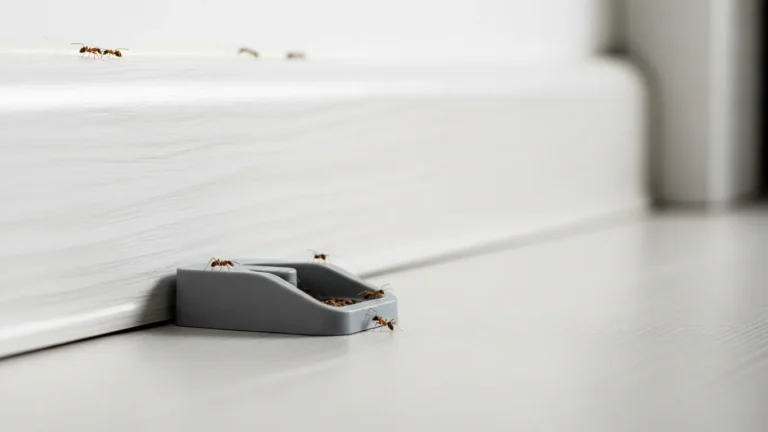
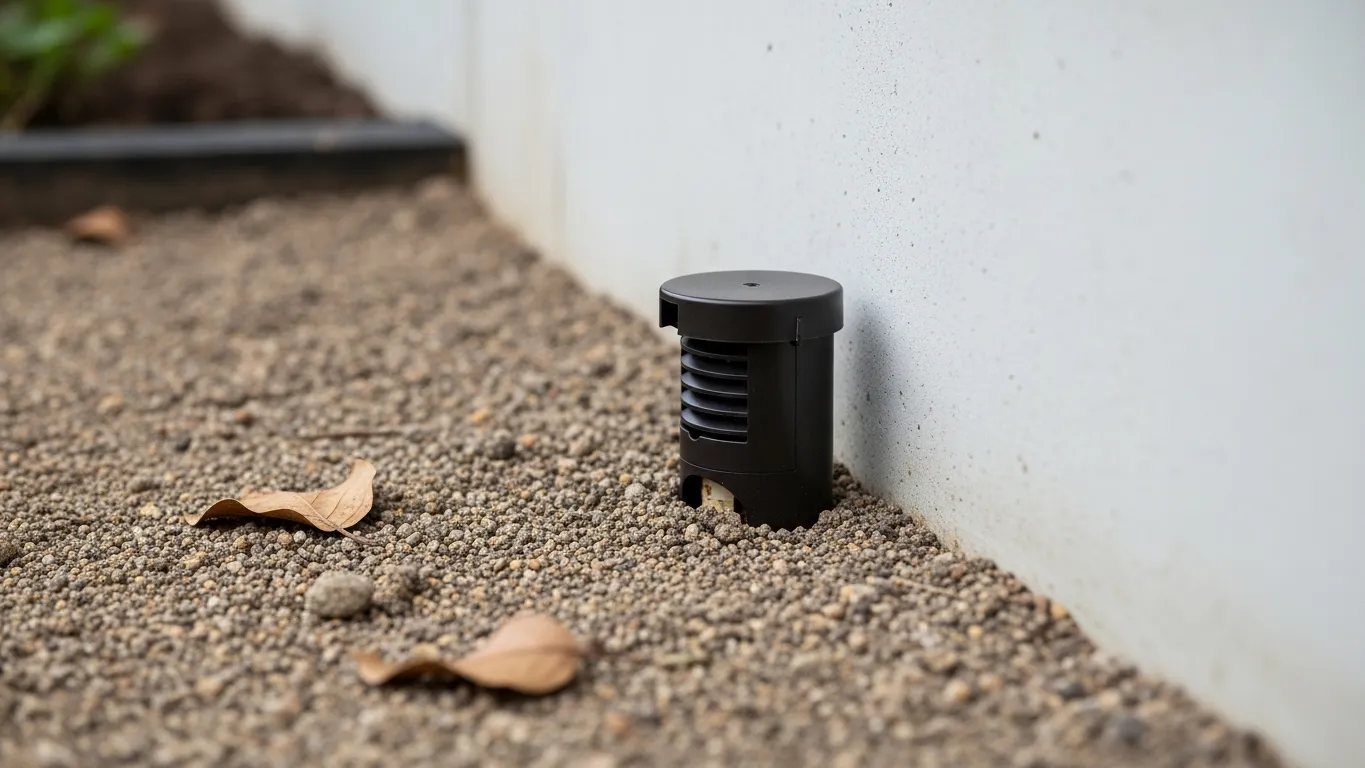
Termite bait systems take a different approach. Instead of creating a chemical barrier, they use strategically placed in-ground stations around the perimeter of the home. Each station contains a cellulose matrix that termite workers find and feed on. Once activity is detected, the cellulose is replaced with (or already contains) a slow-acting growth inhibitor that workers carry back to the colony.
Because the active ingredient disrupts the molting process, it gradually eliminates the colony over weeks to months as workers fail to replace themselves.
Best for: Colony elimination, ongoing monitoring, properties where drilling or trenching is impractical, and homeowners who prefer a reduced-chemical approach.
Key considerations for Phoenix properties:
- Bait stations require regular monitoring — typically quarterly — to check for termite hits and replenish bait. Skipping service visits reduces effectiveness significantly.
- In the Phoenix heat, in-ground stations can dry out. Quality programs use stations designed to retain moisture and remain attractive to foraging termites even during summer.
- Bait systems are most effective against subterranean termites. They are not designed to control drywood termites, which do not forage in soil.
Many Phoenix pest control programs combine bait stations for ongoing monitoring with a targeted liquid treatment for immediate knockdown of active infestations.
Localized and Full-Structure Drywood Treatments
Drywood termites require a fundamentally different approach because they live inside the wood they consume and have no contact with soil. Liquid soil treatments and bait stations have no effect on them.
Localized treatment involves injecting termiticide or applying heat directly to the infested wood members. This works when the infestation is confined to an identifiable area — a window frame, a section of roof framing, or a piece of furniture. The technician drills small holes into the infested wood and injects a product that kills termites within the gallery system.
Full-structure fumigation is used when drywood infestations are widespread or inaccessible. The entire structure is sealed under a tent and filled with sulfuryl fluoride gas, which penetrates all wood members and eliminates drywood termites throughout the building. Fumigation requires occupants, pets, and plants to vacate the home for two to three days.
Best for: Localized treatment is ideal for isolated drywood infestations. Fumigation is reserved for extensive or multi-site drywood infestations where localized treatment cannot reach all affected areas.
Key considerations for Phoenix properties:
- Desert drywood termites are common in the Valley and can reinfest a home after fumigation if entry points are not sealed.
- Fumigation does not leave a residual barrier. It eliminates what is present at the time of treatment but provides no ongoing protection.
- Localized treatments are less disruptive and less expensive but require accurate identification of all infested areas to be effective.
What Factors Attract Termites to Phoenix Properties
Choosing the right treatment starts with understanding why termites targeted your property in the first place. Addressing contributing factors is just as important as the treatment itself:
- Wood-to-soil contact anywhere on the property gives subterranean termites direct access without the need to build exposed mud tubes. Fence posts, deck supports, and landscape timbers are common culprits.
- Moisture sources such as leaking pipes, poor drainage, and over-irrigated landscaping near the foundation create conditions that sustain termite colonies and attract new ones.
- Stored wood and debris against the home, including firewood stacks, cardboard boxes in the garage, and untreated lumber, serve as both food sources and bridges.
- Cracks and gaps in the foundation allow subterranean termites to bypass the soil surface and enter the structure undetected.
A thorough professional inspection identifies both the active infestation and the conditions that enabled it, so your treatment plan addresses the root cause and not just the symptoms. Uni-Tech Pest Control offers free termite inspections for Phoenix homeowners, contact us to schedule yours.
Ready to get rid of termites? Call Uni-Tech Pest Control at (602) 962-8935 for a free inspection, or contact us online to schedule service.
Frequently Asked Questions
Which termite treatment is best for Phoenix homes?
There is no single best treatment — it depends on the termite species, the construction type, and the extent of infestation. Subterranean termites are typically treated with liquid barriers or bait systems, while drywood termites require localized injection or fumigation. A professional inspection is the only reliable way to determine the right approach.
How long does a liquid termite treatment last in Arizona?
Most liquid termiticide barriers remain effective for five to ten years in Arizona soil conditions. Factors that reduce longevity include heavy irrigation near the foundation, soil disturbance from landscaping projects, and the specific product used. Annual inspections help verify that the barrier is still performing.
Is termite fumigation safe for my Phoenix home?
Fumigation with sulfuryl fluoride is safe for the structure itself and leaves no chemical residue on surfaces. The home must be vacated during treatment and properly aerated before re-entry, which a licensed fumigation company manages and verifies with clearance testing. All food, medicine, and living things must be removed before the process begins.